Table of Contents
Tuna Anatomy: Understanding the Animal
Bluefin tuna (Thunnus thynnus) is a pelagic predator that can reach 3 meters in length and weigh over 600 kg. It's not just any fish — it's a machine of muscle and fat that can swim at 70 km/h and cross the Atlantic in weeks. This extreme physiology is what creates the diversity of cuts.
Unlike an Iberian pig, where fat is relatively uniformly infiltrated, tuna distributes its fat very unevenly. The ventral area accumulates most of it (up to 40% fat content in the belly), while the tail is practically lean (2-3% fat). This distribution is not random: tuna needs ventral fat as thermal insulation and an energy reserve for its transatlantic migrations.
In the tuna industry, between 10 and 15 main cuts are distinguished, depending on the size of the specimen and local tradition. In Japan, the classification is more detailed (they distinguish up to 24 pieces); in Spain, traditionally about 8-10 commercial cuts are worked with.
What you should know: the closer to the belly and head, the fattier and more expensive. The closer to the tail and spine, the leaner and cheaper. There are no "bad" cuts — there are poorly used cuts.
Ventresca (Toro): The Crown Jewel
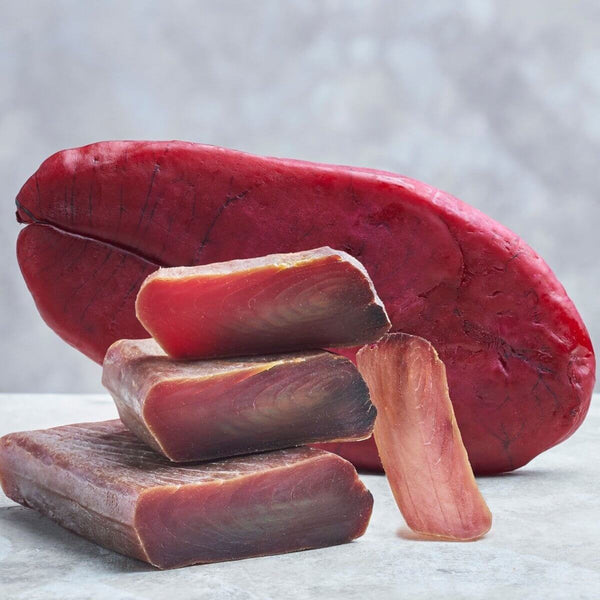
Ventresca is the tuna belly — the piece that covers the abdominal cavity. In Japanese, it's called otoro (the fattiest part) and chutoro (medium fat). In the almadrabas of Barbate and Zahara de los Atunes, a bluefin tuna ventresca can exceed €120/kg.
Why is it so expensive? Because from a 200 kg tuna, only 8-12 kg of ventresca are obtained. It is scarce, exquisite, and has a fat content of 25-40% that literally melts in your mouth. The texture is more like foie gras than fish.
Optimal uses:
- Sashimi or tataki (barely 10 seconds per side over high heat)
- Grilled, seared — the inside should remain raw
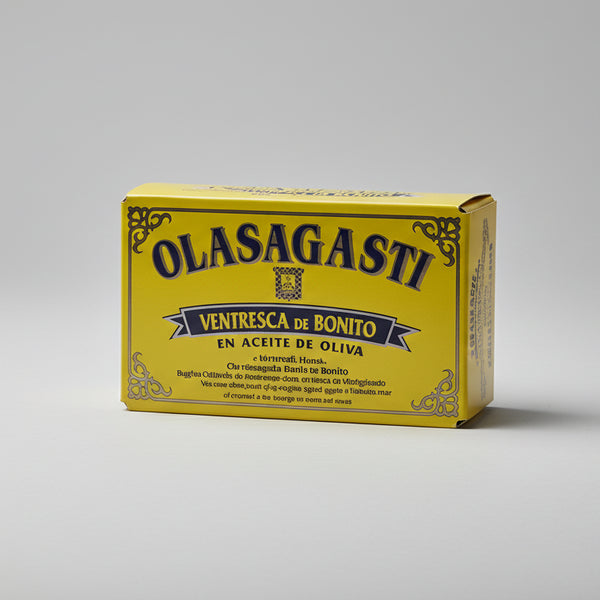
- Canned in olive oil: the best canneries prepare it this way
Fatal error: cooking the entire ventresca. The fat melts and what remains is a dry, fibrous piece. The inside should ALWAYS remain pink.
Loin: The Versatile Cut
The loin is the largest piece of tuna — the two fillets that run along the spine from head to tail. It is subdivided into upper loin (closer to the head, fattier) and lower loin (towards the tail, leaner).
It is the cut you will most frequently find in fish markets and restaurants. A good quality bluefin tuna loin is around €35-60/kg; yellowfin tuna (Thunnus albacares), between €15-25/kg.
Optimal uses:
- Grilled: cut medallions 2.5-3 cm thick. 90 seconds per side over high heat.
- Tataki: seared outside, raw inside, with sesame and soy.
- Tartare: finely chopped (never mashed), with soy, sesame, spring onion, and avocado.
- Canned: the northern bonito loin in olive oil is one of the best preserved foods in the world.
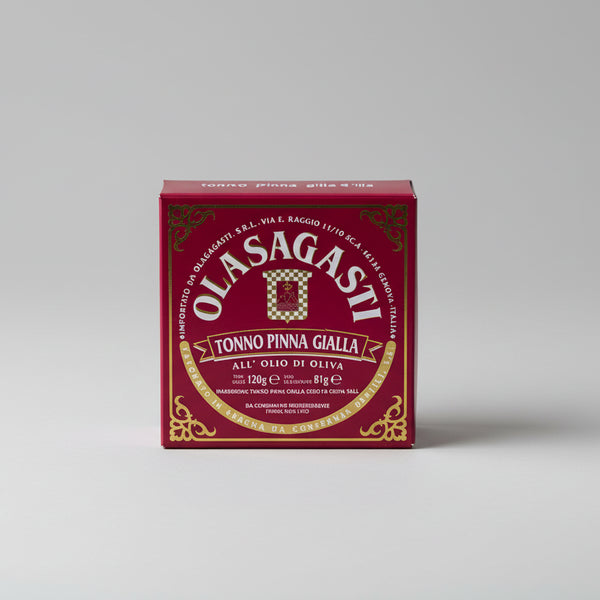
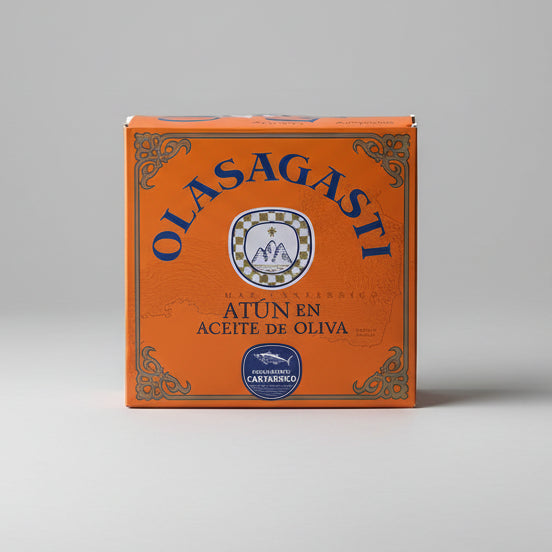
The best tuna and bonito preserves use whole loins, not flakes or pieces. Discover our selection of tuna and northern bonito preserves — whole pieces in extra virgin olive oil.
Morrillo: Pure Intramuscular Fat
Morrillo is the piece that goes from the head to the beginning of the loin, in the dorsal area. It is a small cut (2-4 kg in a 200 kg tuna) with a spectacular fat infiltration reminiscent of wagyu.
In the "ronquerías" of Cadiz — where almadraba tuna is filleted with surgical precision — morrillo is one of the most sought-after pieces. Price: €60-90/kg for almadraba bluefin tuna.
Optimal uses: simply grilled. Coarse salt and fire. It needs nothing else because the fat already provides all the flavor. It also works seared in a pan and finished in the oven at 200 °C for 4-5 minutes.
Tarantelo: The Best Kept Secret
Tarantelo is the triangular piece that connects the ventresca to the tail, in the posterior ventral area. It is less known than ventresca but offers an excellent quality-price ratio: it has a fat content of 15-20% (less than ventresca but much more than loin) and costs 30-40% less.
In many fish markets, it is not even labeled as "tarantelo" — it is sold as "ventresca" or "tuna belly." If you find it correctly identified, buy it without hesitation.
Optimal uses: the same as ventresca but more versatile. It even works slightly more cooked because it has more muscle structure. Ideal for tataki, grilling, or "encebollado" (stewed with onions).
Tail and Facera: The Honest Cuts
Tail: The leanest and most muscular area of the tuna. It is firm, compact meat, with barely 2-3% fat. Price: €15-25/kg for bluefin tuna — a fraction of the ventresca. It is ideal for stews, "encebollados," empanadas, and any preparation where the tuna is cooked completely. Also for everyday canned goods.
Facera (cheek): The tuna cheeks. Two small pieces (300-500 g each in a large tuna) of gelatinous meat and collagen. They are cooked like pork cheek stew — slow-cooked, with red wine, for 2 hours. The result is a unctuous texture that has nothing to do with conventional fish.
Other pieces: The contramormo (lower part of the head), the parpatana (jaw), the roe, and the espineta complete the utilization. In a professional "ronquería," more than 95% of a 200 kg tuna is used.
Complete Table: Cuts, Uses, and Estimated Prices
| Cut | Area | Fat (%) | Best Preparation | Bluefin Tuna Price (€/kg) |
|---|---|---|---|---|
| Ventresca / Toro | Belly | 25-40% | Sashimi, tataki, grilled | 80-150 |
| Morrillo | Dorsal-head | 20-30% | Grilled, pan-fried+oven | 60-90 |
| Tarantelo | Belly-tail | 15-20% | Tataki, grilled, encebollado | 50-75 |
| Upper Loin | Anterior dorsal | 8-15% | Pan-fried, tataki, tartare | 45-70 |
| Lower Loin | Posterior dorsal | 4-8% | Pan-fried, canned | 35-55 |
| Contramormo | Lower head | 10-15% | Stew, grilled | 30-50 |
| Parpatana | Jaw | 8-12% | Baked, stew | 25-40 |
| Facera | Cheeks | 5-8% | Slow stew, confit | 20-35 |
| Tail | Tail | 2-3% | Stew, encebollado, canned | 15-25 |
| Espineta | Spine | Variable | Broths, rice dishes | 8-15 |
Estimated prices for almadraba bluefin tuna (2025-2026). Yellowfin tuna costs 50-60% less for all cuts.
You don't need to buy a €150/kg ventresca to enjoy quality tuna. Our tuna and bonito preserves use whole loins selected seasonally — almadraba flavor at pantry prices.
Keep exploring
Mercury in Tuna: How Much Can You Eat · Tuna Properties · Perfect Pan-Seared Tuna · Olasagasti Preserves
Frequently Asked Questions
What is the most expensive part of tuna?
The ventresca or toro, especially the central area (otoro in Japanese). In almadraba bluefin tuna, it can reach €120-150/kg. Its high fat content (25-40%) makes it the most coveted piece in both Japanese and Mediterranean cuisine.
What is the difference between ventresca and tarantelo?
Ventresca is the central abdominal belly; tarantelo is the triangular area between the ventresca and the tail. Tarantelo has less fat (15-20% vs 25-40%) but more muscle structure. It offers the best quality-price ratio of tuna — 30-40% cheaper than ventresca with excellent flavor.
Can all parts of tuna be eaten raw?
Technically yes, but it only makes sense to eat raw pieces with sufficient fat: ventresca, morrillo, tarantelo, and upper loin. Lean parts (tail, facera) are dry and bland raw — they improve greatly with cooking. Remember that tuna for raw consumption must be pre-frozen at -20 °C for 5 days according to health regulations (anisakis).
How many kilos of each cut come from a tuna?
From a 200 kg bluefin tuna: loins ~60 kg, ventresca ~10 kg, morrillo ~3 kg, tarantelo ~6 kg, tail ~15 kg, cheeks ~1 kg, parpatana ~2 kg, espineta and trimmings ~20 kg, head ~25 kg, viscera and blood ~30 kg, skin and fins ~28 kg. Commercial utilization exceeds 60%.
Is bluefin tuna worth it compared to yellowfin tuna?
It depends on the use. For sashimi, tataki, or raw consumption, bluefin tuna is incomparable — its infiltrated fat has no equivalent. For preserves, stews, or cooked preparations, a good yellowfin tuna or northern bonito offers a much superior quality-price ratio. Don't pay €60/kg for a stew.
What is "ronquería" in tuna?
Ronquería is the artisanal process of filleting tuna, especially almadraba bluefin tuna. The name comes from the "snoring" sound the knife makes when cutting the tuna's skin. An expert "ronqueador" can fillet a 200 kg tuna in 45-60 minutes, separating more than 20 pieces with surgical precision. It is intangible cultural heritage of Cadiz.
Is northern bonito a type of tuna?
Yes. Northern bonito (Thunnus alalunga) is a tunny fish, a cousin of bluefin tuna. It is smaller (5-30 kg vs up to 600 kg) and has lighter, softer flesh. Canned, it is superior to yellowfin tuna: finer, fattier, and with better texture. Do not confuse it with "bonito" alone (Sarda sarda), which is a different fish of lower quality.