


Summary: Pickled mussels are prepared by steaming the mussels, removing the shells, and immersing them in a marinade of olive oil, vinegar, paprika, bay leaf, and onion. The result is a tender mussel with a sweet and sour, spicy flavor that improves with resting. They can be stored in sterilized jars for months. It is one of Spain's most popular tapas and a rewarding homemade preserve.
What is escabeche?
Escabeche is one of the oldest preservation techniques in Spanish cuisine. Its origin dates back to Arab Spain — the word comes from the Arabic sikbaj — and consists of cooking a food and then submerging it in a mixture of oil, vinegar, spices, and aromatics.
The combination of acetic acid (vinegar) and fat (oil) creates a hostile environment for bacteria, allowing food to be preserved for weeks or months without refrigeration. Before refrigerators existed, escabeche was a fundamental method for preserving fish, game meat, and poultry.
What makes Spanish escabeche unique is the use of paprika — sweet or from La Vera — which gives it that characteristic reddish-orange color and an unmistakable smoky flavor. Bay leaf, peppercorns, and onion complete the aromatic profile.
Unlike a marinade, where food is submerged raw, in escabeche, the food is cooked first. This is key: the heat coagulates the proteins, and the subsequent pickling infuses the already cooked food with flavors that intensify over time.
Pickled mussels: a Spanish classic
Of all Spanish seafood preserves, pickled mussels are probably the most popular. They can be found in any tapas bar in the country, from the most humble to the most sophisticated. A can of good pickled mussels with crusty bread is one of the most satisfying tapas there is.
Galician mussels are the most prized for escabeche. The Rías Baixas produce cultivated mussels in rafts that feed on Atlantic plankton, developing an intense orange, juicy flesh with a taste of the sea. These mussels are what the best canneries in Galicia use.
But you don't need Galician mussels to make good homemade escabeche. Any quality fresh mussel — from the Mediterranean, the Cantabrian Sea, or even cultivated — works well. The important thing is that they are alive and fresh when cooked.
Ingredients for 4 servings (or 2-3 jars)
| Ingredient | Quantity |
|---|---|
| Fresh mussels | 1.5 kg |
| Extra virgin olive oil | 200 ml |
| White wine vinegar | 100 ml |
| Onion | 1 large |
| Carrots | 2 medium |
| Sweet paprika (or from La Vera) | 1 tablespoon |
| Bay leaves | 2-3 |
| Black peppercorns | 8-10 |
| Garlic cloves | 3 cloves |
| Salt | To taste |
Premium mussel and cockle preserves
If you prefer the convenience of preserves without sacrificing quality, at Bacalalo we select the best canneries.
View preserves collectionStep-by-step recipe
Step 1 — Clean the mussels. Scrape off the beards and any encrustations from the shells with a knife. Discard any that are open and do not close when tapped — they are dead and unsafe for consumption. Rinse under cold water.
Step 2 — Steam. Place the clean mussels in a large pot with an inch of water and a bay leaf. Cover and heat over high heat. They will open in 3-5 minutes. Remove those that open and discard any that do not open after 7 minutes.
Step 3 — Remove from shells. Let them cool slightly and remove the mussels from their shells. Reserve the strained cooking liquid (in case you need it). Place the mussels in a clean bowl.
Step 4 — Prepare the escabeche. In a wide pan or shallow pot, heat the olive oil over medium heat. Add the finely sliced onion, thinly sliced carrot, and sliced garlic. Sauté for 8-10 minutes until the onion is translucent. Add the peppercorns and bay leaves.
Step 5 — Add the paprika. Remove from heat for 30 seconds (paprika burns instantly if added while the heat is on). Stir in the tablespoon of paprika and mix well. Return to low heat.
Step 6 — Add vinegar. Pour in the white wine vinegar. Increase the heat slightly and let it reduce for 3-4 minutes. The mixture will bubble — this is normal, the alcohol from the vinegar evaporates, leaving the acidity.
Step 7 — Incorporate the mussels. Add the mussels to the escabeche. Mix carefully so they are well coated. Cook for 2-3 minutes over low heat. Adjust salt to taste.
Step 8 — Rest. Remove from heat and let cool in the same pot. Resting is essential: the mussels absorb the flavors of the escabeche as they cool. A minimum of 2 hours; ideally, overnight in the refrigerator.
How to store in jars
If you want to make homemade preserves that last for months, follow this process:
- Sterilize the jars: boil the glass jars and their lids for 15 minutes. Dry them upside down on a clean cloth.
- Fill the jars: distribute the mussels into the hot jars. Cover completely with the liquid escabeche (oil + vinegar + vegetables). The mussels should be submerged.
- Seal tightly: cap the jars and close them securely.
- Water bath: place the jars in a pot with water covering them. Boil for 20 minutes. This step is crucial for safe preservation — the heat creates a vacuum and sterilizes the contents.
- Cool: leave the jars in the water until they reach room temperature. Check that the lid has created a vacuum (it should not "click" when pressed in the center).
Properly stored, homemade pickled mussels last 6-12 months unopened. Once opened, consume within 3-4 days refrigerated.
Best pickled mussel preserves on the market
If you prefer to buy, these are the references we recommend for product quality, mussel origin, and well-balanced escabeche:
| Cannery | Origin | Range |
|---|---|---|
| Baymar | Galicia | Premium |
| Real Conservera Española | Galicia | Gourmet |
| Conservas de Cambados | Galicia | High-end |
| Espinaler | Galicia | Classic |
| Güeyu Mar | Asturias | Ultra-premium |
To explore more quality preserves, check out our Baymar cockle and mussel preserves guide and our complete cockle guide.
How to serve pickled mussels
- As a tapa: directly from the jar or can, with a toothpick and crusty bread. The most classic and perfect way.
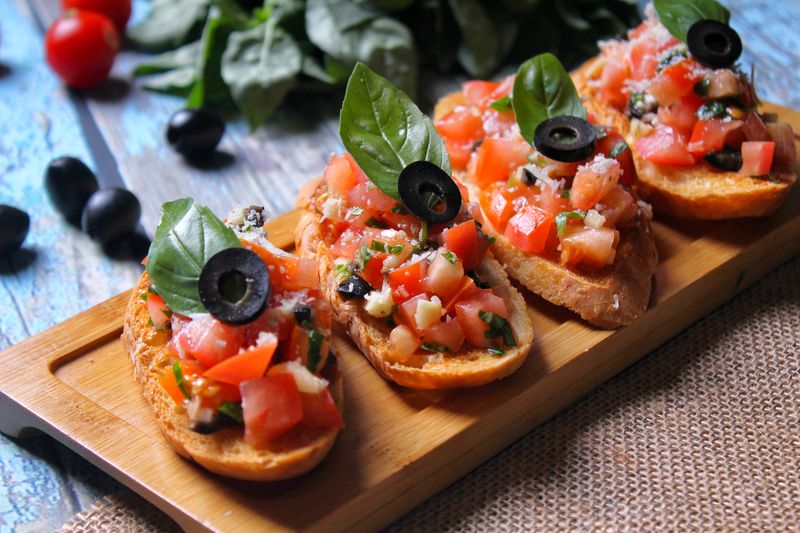
- On toast: on toasted bread with a little of the escabeche liquid on top. Garnish with chopped chives.
- In a salad: over green leaves with cherry tomatoes, red onion, and a vinaigrette made with the escabeche liquid itself.
- With potatoes: over sliced boiled potatoes, drizzled with the escabeche. A complete dish.
- Temperature: pickled mussels are served at room temperature or slightly chilled. Never hot — they lose texture.
7 tips for perfect pickled mussels
- Do not overcook the mussels: 3-5 minutes steaming is enough. Overcooked they become rubbery and small.
- Paprika off the heat: add it with the pan removed from the heat so it doesn't burn. Burnt paprika will bitter the entire escabeche.
- Oil/vinegar ratio: 2:1 is standard (200 ml oil, 100 ml vinegar). More vinegar for a more acidic escabeche; more oil for a milder one.
- Rest for at least 24h: the mussels absorb the flavors of the escabeche during resting. They are significantly tastier the next day than when freshly made.
- Live mussels: only use mussels that are closed or that close when tapped. Open ones are dead and unsafe.
- Cooking liquid: save it. It's a concentrated mussel broth, perfect for paellas, fideuás, or risottos.
- Carrot: not obligatory but adds natural sweetness that balances the acidity of the vinegar.
Nutritional values per serving
| Nutrient | Per serving |
|---|---|
| Calories | ~280 kcal |
| Proteins | 18 g |
| Fats | 20 g |
| Carbohydrates | 6 g |
| Iron | High (4.5 mg) |
Mussels are one of the best sources of iron from the sea, with more iron per serving than many red meats. They also provide vitamin B12, zinc, and selenium. The escabeche adds healthy fats from olive oil.
🛒 Our premium alternative
⭐ 4.9/5 · Cold shipping 24-48h · Since 1990 at Mercat del Ninot
Conclusion
Pickled mussels are one of those preparations that every Spanish cuisine enthusiast should master. The technique is simple, the ingredients are affordable, and the result is extraordinary — especially after 24 hours of rest, when the flavors fully meld.
Whether you make them homemade or buy them from a good cannery, pickled mussels are a versatile, nutritious, and deeply Spanish tapa. They are perfect for appetizers, snacks, and casual dinners.
At Bacalalo, we work with leading canneries in Galicia and the Cantabrian Sea. Explore our selection of premium preserves and discover mussels, cockles, and seafood that honor the Spanish canning tradition.
Premium seafood preserves
Mussels, cockles, and seafood from the best Spanish canneries.
View preserves collectionFrequently asked questions
How long do homemade pickled mussels last?
In the refrigerator, without sterilizing, 5-7 days. In sterilized jars with a water bath, 6-12 months unopened. Once opened, consume within 3-4 days refrigerated.
Can pickled mussels be frozen?
It is not recommended. Freezing changes the texture of the mussel (it becomes softer and more watery) and the pickle loses its balance. It is better to store them in sterilized jars or in the refrigerator.
Which vinegar is best for pickling?
White wine vinegar with good acidity (6-7%). Alternative: Sherry vinegar, which adds more complexity. Avoid apple cider vinegar (too sweet for pickling) and balsamic vinegar (masks flavors).
Why do my mussels shrink when cooked?
Because you overcook them. Mussels only need 3-5 minutes steaming. As soon as they open, take them out. Every extra minute of cooking shrinks them and makes them rubbery.
Can I make escabeche with frozen mussels?
Yes, thaw completely and dry them well before adding to the escabeche. The result is acceptable but inferior to fresh ones. Frozen mussels have already lost some of their natural juice.
Are pickled mussels served cold or hot?
At room temperature or slightly chilled (taken out of the refrigerator 15-20 minutes before). Never hot: reheating breaks down the texture of the mussel and disrupts the balance of the escabeche.
Which paprika is best for pickling?
Pimentón de la Vera (D.O.) is ideal: it has a smoky flavor that enhances the escabeche. If you can't find it, standard sweet paprika works well. Avoid hot paprika unless you like spiciness.
Are pickled mussels healthy?
Yes. Mussels are rich in protein, iron (more than many meats), vitamin B12, zinc, and selenium. The escabeche with olive oil provides healthy monounsaturated fats. They are a nutritious and low-carb option.
Marc González Sáez
Since 1990 at Mercat del Ninot, Barcelona. We select cod and seafood directly from the producer. It's not marketing — there are verifiable factors.


