Masago appears on almost every sushi menu and in many trendy bowls, but its name causes constant confusion: Is it caviar? Is it the same as tobiko? Why are some roe bright orange while others are black or green? Here we explain it with clarity, without marketing: what masago really is, what it tastes like, how it differs from tobiko and real caviar, and when it's worth making the leap to premium roe.
What is masago
Masago is the roe of capelin (Mallotus villosus), a small fish from the smelt family that lives in the cold waters of the North Atlantic and the Arctic, especially around Iceland, Norway, and Canada. It is a small, abundant fish that is mass-fished, which explains its low price and constant presence in high-volume Japanese cuisine.
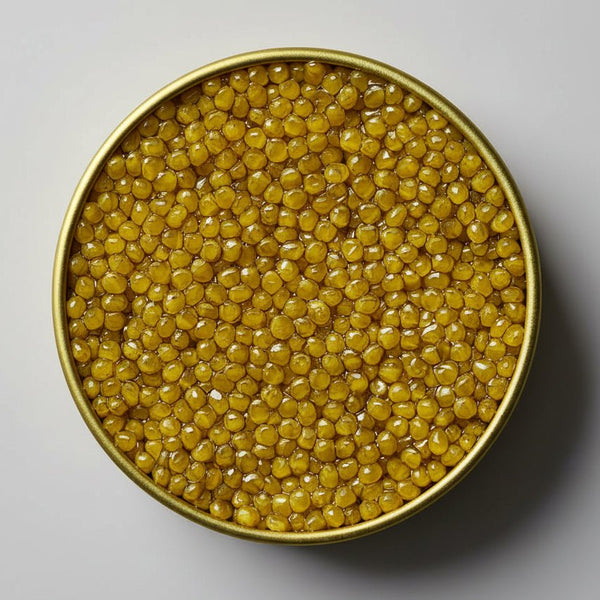
The roe are tiny: each grain measures between 0.5 and 1 millimeter, much smaller than most roe you'll see on a table. In their natural state, they have a pale orange or dull yellowish color; the intense, almost fluorescent orange that we associate with masago is almost always achieved with coloring.
It's important to establish the concept from the beginning: masago is an economical substitute for more expensive roe. It serves its decorative purpose very well and adds texture, but it does not belong to the same category as gourmet roe, much less caviar. This is not a defect; it is simply what it is, and it's good to know before comparing prices or flavors.
Capelin is also a key species in the North Atlantic food chain: it feeds cod, seals, and seabirds. Its fishing is regulated by quotas precisely because of this ecological role, and most of the catch is used for fishmeal and oil; the roe is a byproduct that Japanese cuisine has learned to utilize. Understanding this origin helps to put masago in its place: it is a smart and accessible product, not a "cheap" version of something superior that has been degraded.
Flavor, texture, and color (natural vs. dyed)
On the palate, masago is salty with a slightly smoky undertone and a subtle sweet note. The texture is its most distinctive feature: tiny grains that burst softly and leave a crunchy sensation, though less firm and less "poppy" than larger roe. It contributes more to the dish's texture than to its flavor, which is discreet.
The color deserves an honest explanation. Natural masago tends to be dull orange or yellowish. The commercial product is almost always dyed and flavored to differentiate versions and make it more visually appealing on the plate. These are the variants you will most frequently encounter:
Wasabi, ginger, and black masago
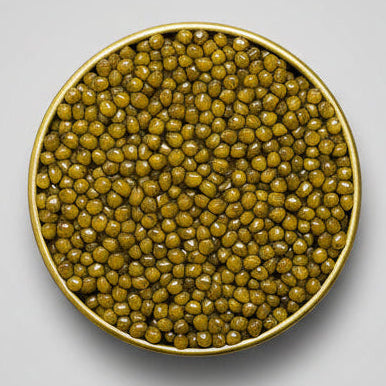
- Green (wasabi): dyed green and flavored with wasabi. It provides a spicy and herbaceous touch that pairs well with fatty fish.
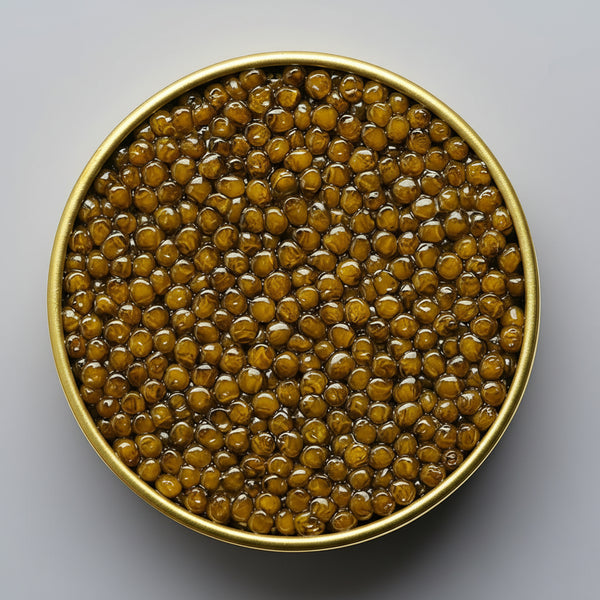
- Orange or reddish (ginger): colored and flavored with ginger, with a fresh and slightly citrusy note.
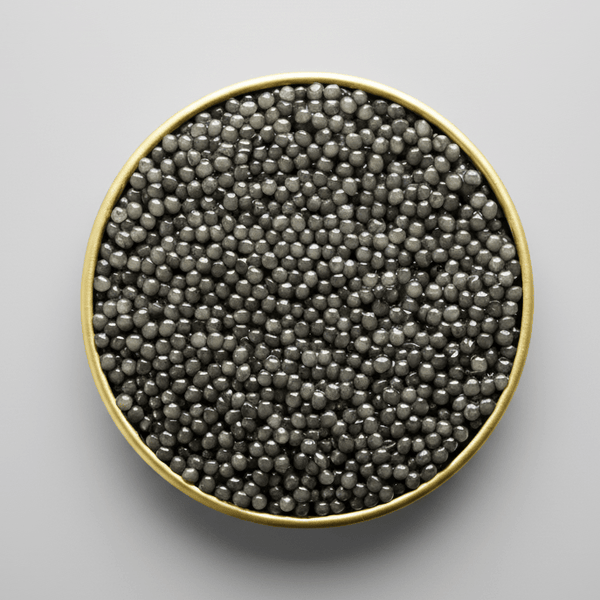
- Black (squid ink): dyed with cuttlefish or squid ink to mimic the appearance of caviar. The flavor changes little; the effect is mostly visual.
The practical criterion: the color and aroma of masago are product decisions, not quality indicators. Black masago is not "more caviar" nor is green masago "healthier." Choose the version based on how it combines with your dish, not by the label.
A tip for critically reading labels: check the ingredient list. Beyond capelin roe and salt, it is common to find colorings (such as E-160 for orange or cuttlefish ink for black), flavor enhancers, and preservatives. This is not alarming—they are authorized additives—but it does explain why two masago products with the same appearance can taste different. If the purity of the product matters to you, that is precisely where caviar and premium roe distinguish themselves: the better the roe, the less it needs to be disguised.
Masago vs. tobiko vs. caviar
This is the most frequently asked question, and it is answered with three pieces of information: what fish each roe comes from, what size it is, and how much it costs. These are three distinct products that are often confused due to their shared use in sushi.
Masago comes from capelin. Tobiko comes from flying fish and is distinctly larger, crunchier, and more expensive. Caviar, strictly speaking, is only sturgeon roe: a different league in terms of price, size, and flavor complexity.
Comparative table: price, size, and origin
| Characteristic | Masago | Tobiko | Caviar (Sturgeon) |
|---|---|---|---|
| Fish of origin | Capelin | Flying fish | Sturgeon |
| Grain size | Very small (0.5–1 mm) | Medium (0.5–0.8 mm, firmer) | Large (2–3.5 mm depending on species) |
| Texture | Soft crunch | Very crunchy, distinct "pop" | Creamy, delicate burst |
| Color | Pale orange (often dyed) | Natural vibrant orange (and variants) | Grey to black and amber, natural |
| Relative price | Economical | Medium | Premium |
| Typical use | Decoration, maki filling | Sushi topping, gunkan | Tasting, fine dining |
The quick mental rule: masago and tobiko are fish roe for sushi; caviar is a separate category due to species, flavor, and price. Calling masago "caviar" is, at best, a commercial liberty.
Why are they so often confused, then? Because of context and price. All three are served in small quantities, sparkle on the plate, and share that idea of "miniature luxury." But the difference becomes apparent as soon as you taste them side by side: masago almost disappears under the other ingredients; tobiko provides a crisp crunch and a more pronounced smoky note; and sturgeon caviar displays a buttery, salty, and persistent flavor that needs no accompaniment. The price difference between the first and the last can be twenty times or more, and it is fully justified by the species, the years it takes a sturgeon to produce roe, and the artisanal production process.
How to use masago
Masago shines when it adds texture and color without stealing the spotlight. Its most common uses:
- Sushi and makis: as an outer topping for uramaki (the classic "inside-out" roll) or mixed into the filling to add a crunchy point.
- Gunkan: the "battleship" of seaweed filled with roe, where masago substitutes tobiko in more economical versions.
- Poke bowls and rice bowls: a spoonful on top adds color and a salty touch that contrasts with avocado or salmon.
- Sauces and cold creams: integrated into Japanese mayonnaise or a cream cheese spread for canapés and bites.
Portion it carefully: it's salty, so a small amount goes a long way and avoids watering down the dish if defrosted improperly. A couple of serving tricks that make a difference: always add it at the end, uncooked, because heat dulls the "pop" and dilutes the color; and reserve flavored versions (wasabi, ginger) for simple dishes where they can shine, rather than combining them. If using it as a topping for nigiri or gunkan, a level teaspoon per piece is sufficient.
Storage
Masago is almost always sold frozen or already defrosted under refrigeration. Key points to avoid spoilage:
- Keep the product frozen until use and defrost in the refrigerator, never at room temperature.
- Once opened, consume within 2–3 days and store tightly covered in the coldest part of the refrigerator.
- Avoid refreezing: the crunchy texture is lost and food safety is compromised.
- Drain off any excess liquid before plating to prevent it from moistening the rice.
Real premium alternatives
Masago is perfect for homemade sushi and for adding color to a bowl without overspending. But if you're looking for a flavor experience—not just texture and decoration—the leap to true roe completely changes the dish. Here we're no longer talking about a dyed substitute, but about a product with its own identity:
- Sturgeon caviar: the gourmet standard. Large grain, creamy texture, and a nuanced flavor that no capelin roe can imitate. For pure tasting, a spoonful on blini or buttered toast.
- Roe and caviars from other species: characterful options for those who want to upgrade without fully committing to sturgeon.
In our Bacalalo shop at the Mercat del Ninot, since 1990 we have been selecting seafood products with a single criterion: that they are worth their price. That's why, when a customer asks for "caviar" and realizes that what they had in mind was masago, we show them both and let the difference speak for itself.
When is each one worth it? If you're preparing a plate of makis for an informal dinner, masago does its job and there's no point in paying more. If you want a detail that elevates an appetizer—some roe on toast, a blini with cream—or you're preparing a platter for a special occasion, then caviar and premium roe justify every euro: they don't just decorate, they star. The key is not to buy one thing expecting the other. Knowing what you have in front of you is the best way to avoid overpaying or underperforming.
If you want to make that leap, explore our selection of caviar and premium roe: that's where the real difference lies between decorating a dish and turning it into a memorable bite.
Frequently Asked Questions
Is masago caviar?
No. Masago is capelin roe, a small fish; caviar is sturgeon roe. They share a similar use but not category or price.
What does masago taste like?
Salty and slightly smoky, with a sweet touch and a crunchy texture that is less firm than tobiko.
Masago or tobiko?
Tobiko (flying fish) is larger, crunchier, and more expensive; masago is smaller and more economical. For starters, both work well in homemade sushi.