


What hake roe is and why it's irresistible when fried
Hake roe is the egg sacs of the fish, a traditional product of Cantabrian and Galician cuisine that for decades was considered a humble delicacy. Today, it has been revalued thanks to its unique texture: an outer layer that, when well coated, becomes golden and crispy, while the inside maintains a creaminess reminiscent of the most delicate fish pâté.
In Spanish markets — including the Mercat del Ninot in Barcelona, where we have been since 1990 — fresh hake roe is especially available from January to April, during the spawning season. It is during this period that it reaches its best texture and flavor.
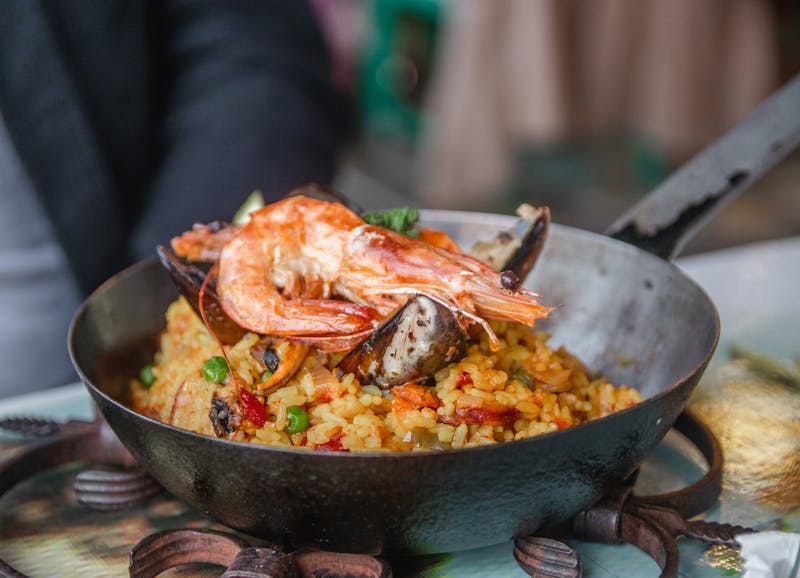
Unlike other better-known types of roe — such as caviar or ikura — fried hake roe is an accessible, economical product with enormous versatility. It works as a starter, tapa, side dish, or light main course.
How to choose fresh, quality hake roe
Not all roe you find at the fishmonger is the same. For perfect fried roe, the raw material matters as much as the technique.
- Color: Fresh hake roe has a uniform pale pink or cream tone. Discard any that show dark spots, greenish areas, or gray discoloration.
- Firmness: When gently pressed with a finger, the roe should yield slightly but regain its shape. If it's soft or pasty, it's not fresh.
- Smell: It should smell of clean sea, without ammonia notes or a strong fishy odor.
- Membrane: The outer membrane should be intact, without tears. If the sac is broken, the roe will fall apart when frying.
- Size: Larger roe (from hake weighing 3+ kg) has a better proportion of crispy crust to creamy interior.
If you can't find fresh roe, frozen roe works well as long as you defrost it in the refrigerator for 12 hours and dry it thoroughly before breading.
Ingredients and essential utensils
This recipe is deliberately simple. You don't need exotic ingredients or special equipment — just fresh produce and good technique.
Ingredients for 4 people
| Ingredient | Quantity | Note |
|---|---|---|
| Fresh hake roe | 400 g (2 sacs) | Fresh or thawed |
| Wheat flour | 100 g | Or gluten-free rice flour |
| Eggs | 2 units | Beaten with a pinch of salt |
| Extra virgin olive oil | For frying (plentiful) | Minimum 2 cm deep |
| Lemon | 1 unit | In wedges for serving |
| Fine salt and black pepper | To taste | Moderation with salt |
Step-by-step recipe: crispy fried hake roe
Total time: 25 minutes (10 prep + 15 cooking). Difficulty: easy.
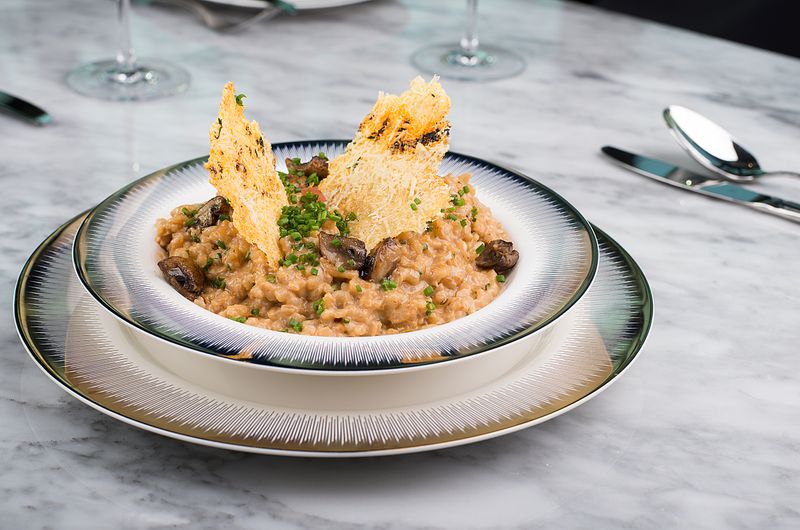
Step 1: Prepare the roe
Remove any loose membrane from the roe. Gently but thoroughly pat them dry on all sides with paper towels. Residual moisture is the number one enemy of crispy breading — if the roe is wet, the coating will detach during frying.
Step 2: Cut
Cut the roe into slices approximately 1.5 cm thick. If the sacs are small (from hake under 2 kg), you can fry them whole. Season with salt and pepper on both sides.
Step 3: The double coating (the secret)
This is the step that makes the difference between ordinary fried roe and restaurant-quality crispy roe:
- Pass each slice through flour, shake off the excess.
- Dip in beaten egg with salt.
- Pass through flour again.
This double coating creates a double barrier that results in a thicker, crispier crust that holds up better without softening.
Step 4: Fry at the correct temperature
Heat plenty of olive oil to 180°C. The trick to checking the temperature without a thermometer: drop a breadcrumb. If it bubbles immediately and consistently (not explosively), it's ready.
Fry the roe for 3-4 minutes per side without moving them. Don't overcrowd the pan — fry in batches if necessary. Moving the pieces during cooking breaks the breading.
Step 5: Drain and serve
Remove the roe to paper towels. Serve immediately — fried roe quickly loses its crispness. Accompany with lemon wedges and chopped fresh parsley.
If you're looking for the best quality roe for your recipes, in our roe collection we select directly from the fish market.
View available roeTips for the perfect coating
After years of preparing roe at Mercat del Ninot, these are the tips that really make a difference:
- Dry, dry, dry: We insist because it's the most common mistake. Dry the roe 2-3 times with fresh paper until there is no trace of moisture.
- Cold flour: Store the flour in the refrigerator 30 minutes beforehand. Cold flour creates a crispier coating when it comes into contact with hot oil.
- Don't touch in the pan: Once you place the roe in the oil, don't touch it until it's time to flip. Moving it breaks the forming crust.
- Uniform size: Cut all slices to the same thickness so they cook at the same rate.
- Don't salt before flouring: Salt extracts moisture from the fish. Season with salt and pepper just before coating in flour, without letting it rest.
The best sauces to accompany fried hake roe
Fried roe calls for an acidic or creamy counterpoint to balance the frying. These are our favorite combinations:
| Sauce | Flavor profile | Ideal pairing |
|---|---|---|
| Classic tartar | Tangy, creamy, with pickles and capers | Albariño or Verdejo |
| Lemon mayonnaise | Citrusy and smooth | Txakoli |
| Mild aioli | Garlic, intensely creamy | Cava Brut |
| Parsley green sauce | Herbal, fresh | Godello |
| Squeezed lemon | Simple, direct, pure | Cold lager beer |
Nutritional value of hake roe
Hake roe is a more nutritious food than most people think. Before frying, its nutritional profile is excellent:
| Nutrient | Per 100 g (raw) | Per 100 g (fried) |
|---|---|---|
| Calories | 120 kcal | 195 kcal |
| Proteins | 22 g | 18 g |
| Fats | 3 g | 10 g |
| Omega-3 | 0.8 g | 0.7 g |
| Vitamin B12 | 8 µg (320% RDI) | 7 µg |
| Phosphorus | 250 mg | 220 mg |
Hake roe is particularly rich in vitamin B12 (more than triple the recommended daily intake) and phosphorus, essential for bones and teeth. Its omega-3 content makes it a heart-healthy food even in its fried version, provided extra virgin olive oil is used.
Variations: tempura, air fryer, and "gabardina" style
Hake roe in Japanese tempura
Mix 100 g of wheat flour with 150 ml of very cold sparkling water and a pinch of salt. Do not overmix — lumps are desirable in tempura. Dip the roe and fry at 190°C for 2-3 minutes. The result is a lighter and airier crust.
Hake roe in an air fryer
Bread the roe as in the classic recipe but spray with olive oil. Place in the basket without overlapping and set to 190°C for 12-15 minutes, flipping halfway. The result is lighter but less crispy than traditional frying.
Hake roe "gabardina" style
Prepare a batter with 100 g of flour, 100 ml of cold beer, 1 egg, and salt. Dip the roe slices and fry at 180°C. The "gabardina" style coating is fluffy and golden, with more volume than the classic breading.
Discover more roe recipes in our salmon roe and ikura guide, where we explore other types of roe and their uses in cooking.
🛒 Products used in this recipe
⭐ 4.9/5 · 24-48h cold shipping · Since 1990 at Mercat del Ninot
Conclusion
Fried hake roe is one of those dishes that proves Spanish cuisine doesn't need to be complicated to be brilliant. Fresh produce, good olive oil, double-flouring technique, and 25 minutes of your time. The result is a starter or tapa that surprises at any table.
The real secret isn't in the recipe — it's in the raw material. Fresh, firm, and well-dried roe before breading makes all the difference. If you want to explore further, in our roe section you'll find options selected directly from the fish market for an impeccable result.
Hake roe, salmon, cod, and more — direct selection from the fish market
Explore roe collectionFrequently asked questions
How to make crispy fried hake roe?
The key is to dry the roe with paper towels, then dredge them in flour, beaten egg, and flour again (double breading). Fry in olive oil at 180 °C for 3-4 minutes per side. The double breading creates a crispy crust that contrasts with the creamy interior.
How long do you fry hake roe?
Between 3 and 4 minutes per side at 180 °C. If the roe are very thick, you might need 5 minutes per side. The indicator is that the breading is uniformly golden, and when lightly pressed, the roe feels firm but with internal elasticity.
Can fried hake roe be made gluten-free?
Yes. Substitute wheat flour with rice flour or cornstarch. The result is even crispier. Another option is a chickpea flour batter, which adds flavor and is naturally gluten-free.
What sauce best accompanies fried roe?
Tartar sauce is the classic accompaniment. Lemon mayonnaise, mild aioli, green sauce with parsley and capers, or simply a few drops of lemon also work very well. For a modern touch, try a light garlic confit pil-pil.
Are fried hake roe fattening?
A serving of fried hake roe (150 g) provides about 250-300 kcal. Unfried roe is low in fat and rich in omega-3 and protein. Breading and frying add calories, but in a moderate serving as a starter, it is still a balanced dish.
Can hake roe be frozen before frying?
Yes. Freeze fresh roe in portions wrapped in cling film and then in an airtight bag. They last up to 3 months. Thaw in the refrigerator for 12 hours and dry well with paper towels before breading. Never thaw in the microwave as the texture will be ruined.
What is the difference between hake roe and cod roe?
Hake roe is softer and creamier, with a delicate flavor and pale pink color. Cod roe is firmer, with a more intense flavor and granular texture. For frying, hake roe is ideal due to its creamy interior; cod roe works better in salads or smoked.
Can fried hake roe be made in an air fryer?
Yes. Spray the breaded roe with a little olive oil spray and place them in the air fryer at 190 °C for 12-15 minutes, turning them halfway through cooking. The result is lighter, although the crust does not achieve the same crispiness as traditional frying.
About the author: Marc González Sáez manages Bacalalo.com from Mercat del Ninot in Barcelona, where his family has been selecting the best seafood products since 1990. His criterion: verifiable quality, no slogans.


