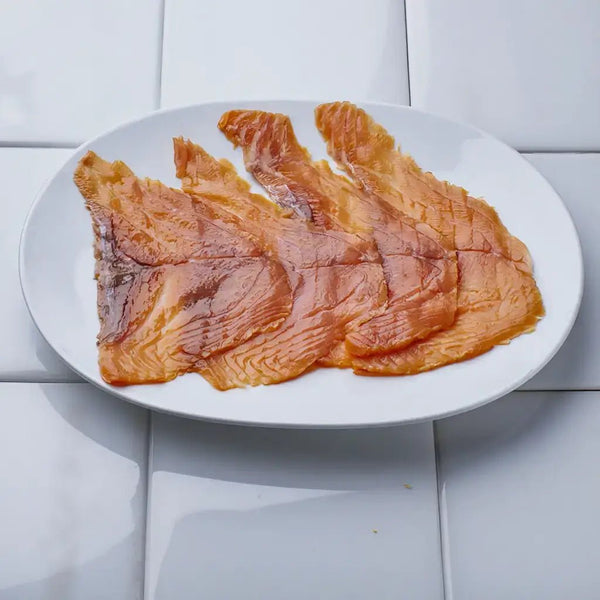


In short: Salt-cured tuna roe: a gourmet product from the Southern almadrabas. Difference from Sardinian bottarga: more intense, mineral, spicy finish. Economical use (5-8g/dish). Pairing: dry manzanilla sherry.
Table of Contents
What is salt-cured tuna roe
Salt-cured tuna roe are the female gonads (roe) of bluefin tuna, salted for 12-24 hours and sun-cured under pressure for 2-3 weeks. The result: a firm product, dark orange-red in color, intense cured fish flavor, with a texture that is both creamy and firm.
It is one of the most traditional products of Southern Spain, linked to the historic almadrabas of Cadiz. When the tuna were harvested, all parts were utilized: the meat for preserves and fresh consumption, the loins for mojama, the belly for salting, and the roe for this premium product.
Tuna roe vs. bottarga: the technical difference
Although visually and conceptually similar, they are distinct products:
Species: Classic bottarga = mullet (mugil cephalus). Tuna roe = bluefin tuna (Thunnus thynnus).
Geographical origin: bottarga di muggine = Sardinia. Tuna roe = almadrabas of the Strait.
Flavor: bottarga is creamier, softer, sweet-marine. Tuna roe is more intense, mineral, with a spicy finish.
Texture: bottarga is creamier when grated. Tuna roe is firmer.
Price: both are premium products, €80-200/kg. Tuna roe is slightly more affordable than Sardinian bottarga di muggine.
How to use tuna roe
1. Grated over pasta: spaghetti aglio olio with a final touch of grated tuna roe. A Cadiz version of the classic Sicilian dish.
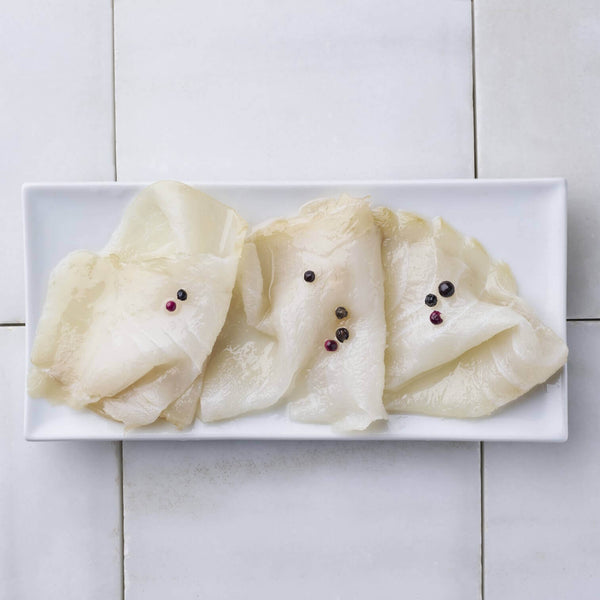
2. In thin slices with arbequina EVOO: an elegant appetizer. Toasted rustic bread on the side. Marcona almonds around.
3. Over bluefin tuna tartare: "tuna on tuna" — a classic Cadiz combination. Grated tuna roe crowning the tartare.
4. Over warm salads: over tomato, tuna belly, boiled egg. A Mediterranean combination.
5. Over seafood risotto: instead of Parmesan. An intense and mineral finish.
How much to use per dish
As a grated finish: 5-8g per dish (small-medium teaspoon). As slices in an appetizer: 8-15g per person (3-5 thin slices).
Due to its economical use, a small 100g piece (≈ €12-15) yields 6-10 dishes. Comparatively affordable for a gourmet product.
Recommended pairing
Very cold Manzanilla from Sanlúcar: the perfect pairing. Close geographical origin (Sanlúcar is near the almadrabas), dry-saline profile matches tuna roe.
Fino from Jerez: a similar alternative, slightly less dry.
Young white wine: Albariño Rías Baixas, Verdejo Rueda. Any dry, non-oxidative white.
DO NOT work: red wines (clash with salt and umami), very aromatic wines (Riesling, Gewürztraminer), sweet sparkling wines.
Gourmet cured seafood
Mojama, bottarga, roe and other premium cured products. Artisan selection from Mercat del Ninot. Gourmet product for economical use.
Frequently asked questions
Tuna roe vs bottarga: are they the same?
Where do the best tuna roe come from?
How much do they cost?
How are they served?
Recommended pairing?
How to store tuna roe?
To conclude
Salt-cured tuna roe is one of the most interesting gourmet products in Spanish cuisine and one of the least known outside Andalusia. If you like Sardinian bottarga, try the Spanish version: similar concept, slightly more intense and mineral flavor. As an appetizer with dry manzanilla, a memorable experience.
Premium Cantabrian anchovies
The most versatile "model cured product" for daily use: anchovies size 00 cured for 12 months.