Summary: The most common mistakes that ruin your cod Inadequate desalting: the root of the problem Excessive cooking temperatures Why does cod break apart? Determining factors Excessive handling during cooking Quality and cut of the raw material Fail-safe techniques to maintain juiciness Confit in oil: the masters' technique Steaming: guaranteed tenderness Professional tricks for perfect cod The importance of pre-tempering Controlled searing techniques Specific solutions for dry cod Rehydration with aromatic broths Emulsified sauces as allies Frequently asked questions about cooking cod How long should cod be desalted?
- The most common mistakes that ruin your cod
- Inadequate desalting: the root of the problem
- Excessive cooking temperatures
- Why does cod break apart? Determining factors
- Excessive handling during cooking
- Quality and cut of the raw material
- Fail-safe techniques to maintain juiciness
- Confit in oil: the masters' technique
- Steaming: guaranteed tenderness
- Professional tricks for perfect cod
- The importance of pre-tempering
- Controlled searing techniques
- Specific solutions for dry cod
- Rehydration with aromatic broths
- Emulsified sauces as allies
- Frequently asked questions about cooking cod
- How long should cod be desalted?
- Can desalted cod be frozen?
The most common mistakes that ruin your cod
Cooking cod can become a frustrating experience when the final result is a dry, shredded, or rubbery fish. These problems do not arise out of nowhere; rather, they are a direct consequence of specific technical errors that many cooks, both amateur and experienced, commit without realizing it.
Cod, especially premium pieces from Icelandic and Norwegian waters, requires delicate treatment that respects its natural protein structure. When we apply incorrect techniques, we irreversibly alter the muscle fibers, leading to that unpleasant texture we so dread.
Inadequate desalting: the root of the problem
The desalting process represents the first critical link in the preparation chain. Improperly desalted cod not only retains excess salinity but also maintains a structural rigidity that will prevent even cooking. During desalting, proteins must rehydrate gradually, regaining their natural flexibility.
Many cooks make the mistake of rushing this process by soaking the cod in hot water or changing the water too frequently. This practice causes an osmotic shock that hardens the fibers. The water should be kept cold, between 4-8°C, and changed every 8-12 hours, allowing the salt to be extracted gradually and in a controlled manner.
Excessive cooking temperatures
The application of intense heat is probably the most devastating mistake. Cod contains highly sensitive proteins that coagulate quickly when exposed to temperatures above 65°C. This abrupt coagulation expels internal moisture, resulting in the dry, fibrous texture so characteristic of poorly prepared cod.
Aggressive cooking methods, such as high-temperature frying or uncontrolled baking, denature proteins irreversibly. The key lies in maintaining gentle and progressive cooking, allowing heat to penetrate gradually without causing structural stress.
Why does cod break apart? Determining factors
The fragmentation of cod during cooking obeys specific physicochemical principles that affect the cohesion of its tissues. Understanding these mechanisms is fundamental to preventing the dismemberment of the pieces and maintaining their visual and gastronomic integrity.
Excessive handling during cooking
Cod has a delicate muscle structure that progressively weakens during cooking. Each movement, flip, or manipulation generates micro-tears in the fibers that, cumulatively, cause the complete fragmentation of the piece. Anxious cooks tend to constantly move the fish, checking its doneness, without realizing the damage they are causing.
Patience emerges as a cardinal virtue in this process. Once the cod is placed in the pan, griddle, or oven, it must remain still until it reaches the optimal cooking point. Only then, with precise movements and appropriate tools, can it be handled without risk of breaking.
Quality and cut of the raw material
Not all cod has the same structural resistance. Pieces from young or poorly cured specimens tend to disintegrate more easily. Likewise, an improper cut can weaken specific areas, creating fracture points that will manifest during cooking.
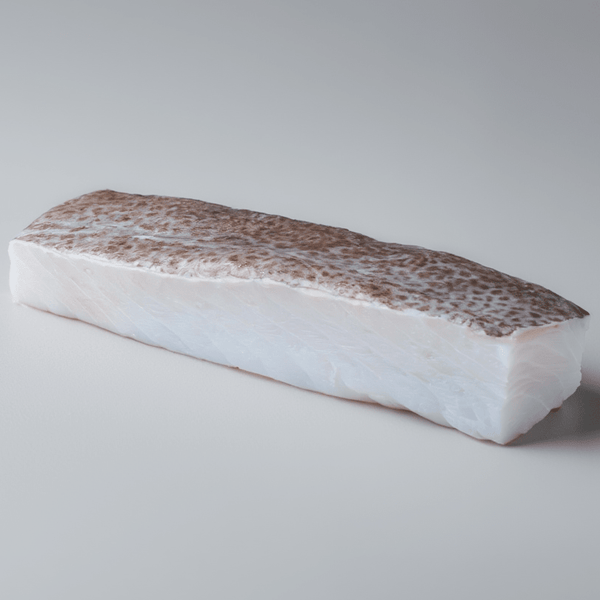
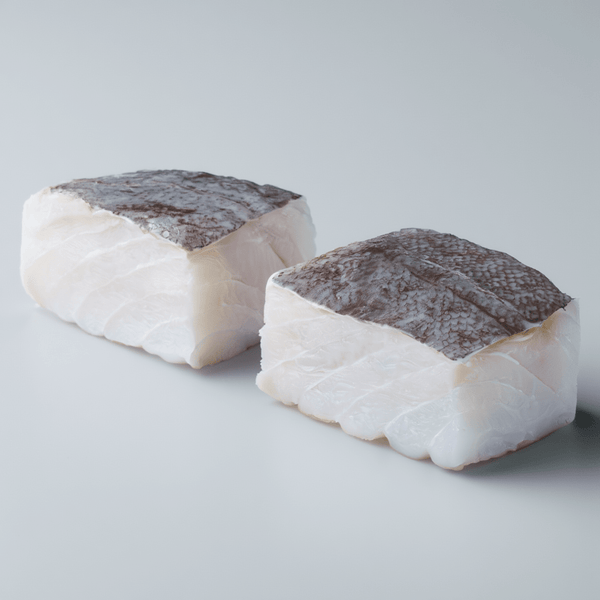
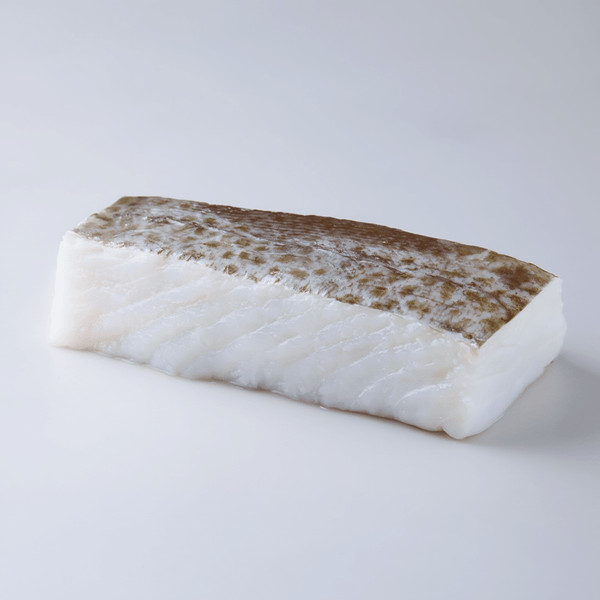
Premium quality cod, like the one we select from Nordic waters, maintains superior cohesion thanks to its artisanal curing and its cut perpendicular to the muscle fibers.
Overly thin pieces are especially vulnerable, while excessively thick cuts require prolonged cooking times that increase the risk of external dryness before reaching adequate internal cooking.
Fail-safe techniques to maintain juiciness
Preserving the natural moisture of cod requires the application of specific techniques that protect its water content while developing the desired flavors. These methodologies have been perfected over generations by master chefs who understood the secrets of this noble fish.
Confit in oil: the masters' technique
Confit is one of the most refined techniques for cooking cod without compromising its juiciness. This method involves immersing the pieces in extra virgin olive oil heated to a constant temperature of 60-65°C. At this temperature, proteins coagulate slowly without expelling moisture.
The process requires patience, as a medium-thick piece needs approximately 20-25 minutes to achieve the characteristic silky texture. During this time, the oil acts as a heat conductor, ensuring uniform distribution that cooks the fish from all angles simultaneously.
| Piece thickness | Oil temperature | Approximate time |
|---|---|---|
| 1-2 cm | 60°C | 15-18 minutes |
| 2-3 cm | 62°C | 20-25 minutes |
| 3-4 cm | 65°C | 25-30 minutes |
Steaming: guaranteed tenderness
Steaming completely eliminates the risk of dryness, as the cod cooks in a moisture-saturated environment. This technique is especially effective for recently desalted pieces, which retain a more delicate texture.
Steam should be generated from an aromatic broth or simply water with Mediterranean herbs. The steam temperature naturally fluctuates around 100°C, but its indirect contact with the fish reduces the effective temperature to safe levels.
Related Cod Products


Professional tricks for perfect cod
Culinary professionals have developed specific strategies that guarantee consistent results, regardless of environmental variables or the particular characteristics of each piece of cod.
The importance of pre-tempering
One of the most underestimated mistakes is cooking cod directly from the refrigerator. Low temperatures create an excessive thermal gradient that causes uneven cooking. The surface cooks quickly while the inside remains cold, resulting in heterogeneous textures.
Optimal tempering requires removing the cod from the cold approximately 30-45 minutes before cooking, allowing it to reach room temperature gradually. During this period, proteins relax and moisture is evenly distributed throughout the piece.
Controlled searing techniques
When opting for techniques that require searing, such as griddling or pan-frying, thermal control is absolutely critical. Searing should be done at medium-low temperature, using oil with a high smoke point that does not degrade during the process.
- Preheat the pan for 3-4 minutes over medium heat
- Add oil and wait until it reaches the proper temperature without smoking
- Place the cod and do not move it for the first 4-5 minutes
- Flip only once using a wide spatula
- Finish cooking over low heat
Specific solutions for dry cod
When faced with cod that has lost its natural juiciness, there are rescue techniques that can partially mitigate the effects of inadequate cooking. Although prevention is always preferable, these solutions can salvage a seemingly ruined preparation.
Rehydration with aromatic broths
Rehydration using hot broths can restore some of the lost moisture, especially if the cod has not suffered extreme dehydration. The broth should be kept at a gentle temperature, around 70°C, and the cod should be briefly submerged, allowing it to absorb liquid without additional cooking.
The most effective broths combine fish stock with white wine and aromatic herbs. This mixture not only adds moisture but also enriches the final flavor, partially masking textural defects.
Emulsified sauces as allies
Emulsified sauces, such as traditional pil pil or modern variations with whipped butter, can effectively mask the dryness of cod. These preparations create a protective film that adds creaminess and flavor, compensating for the loss of natural juiciness.
The key is to serve these sauces at an optimal, slightly warm temperature, so that their silky texture contrasts positively with the firmness of the fish.
🛒 Products mentioned in this article
⭐ 4.9/5 · 24-48h chilled delivery · Since 1990 at Mercat del Ninot
Conclusions
- The most common mistakes that ruin your cod: Cooking cod can become a frustrating experience when the final result is dry, flaky, or rubbery fish.
- Why does cod break apart? Determining factors: Cod fragmentation during cooking is due to specific physico-chemical principles that affect the cohesion of its tissues.
- Infallible techniques to maintain juiciness: Preserving cod's natural moisture requires the application of specific techniques that protect its water content while developing desired flavors.
- Professional tricks for perfect cod: Gastronomy professionals have developed specific strategies that guarantee consistent results, regardless of environmental variables or particular characteristics.
- Specific solutions for dry cod: When faced with cod that has lost its natural juiciness, there are rescue techniques that can partially mitigate the effects of inadequate cooking.
- Frequently asked questions about cooking cod: The most common doubts among culinary enthusiasts reveal the critical points where problems usually arise.
Frequently asked questions about cooking cod
The most common doubts among culinary enthusiasts reveal the critical points where problems usually arise. Resolving these uncertainties significantly contributes to improving the final results.
How long should cod be desalted?
The desalting time fundamentally depends on the thickness of the piece and the initial salting level. Standard pieces require between 24-36 hours of desalting in cold water, refreshing the liquid every 8-12 hours. Insufficient desalting results in excessively salty flavors, while prolonged desalting can excessively weaken the structure.
Can desalted cod be frozen?
Desalted cod can be successfully frozen if done correctly. It should be drained completely, gently patted dry with absorbent paper, and vacuum-packed or stored in airtight containers. Freezing stops degradation processes, but thawing should be done slowly in the refrigerator to preserve texture.
Proper cod preparation goes beyond merely applying culinary techniques; it requires a deep understanding of the physico-chemical processes that determine the success or failure of each preparation. Mastering this knowledge transforms cod cooking from an intimidating task into a controlled and predictable process, ensuring consistently satisfactory results that honor the exceptional quality of this noble fish.
Discover our selection of desalted cod at Bacalalo.