Summary: Galician bonito empanada is made with wheat flour dough (not puff pastry) kneaded with olive oil and warm water, filled with a sofrito of onion, bell pepper, and tomato with shredded albacore tuna. It is baked at 200 °C for 30-35 minutes until golden brown. The Galician dough is thin, crispy, and made by hand in 10 minutes. Total time: 65 minutes for 6 people.
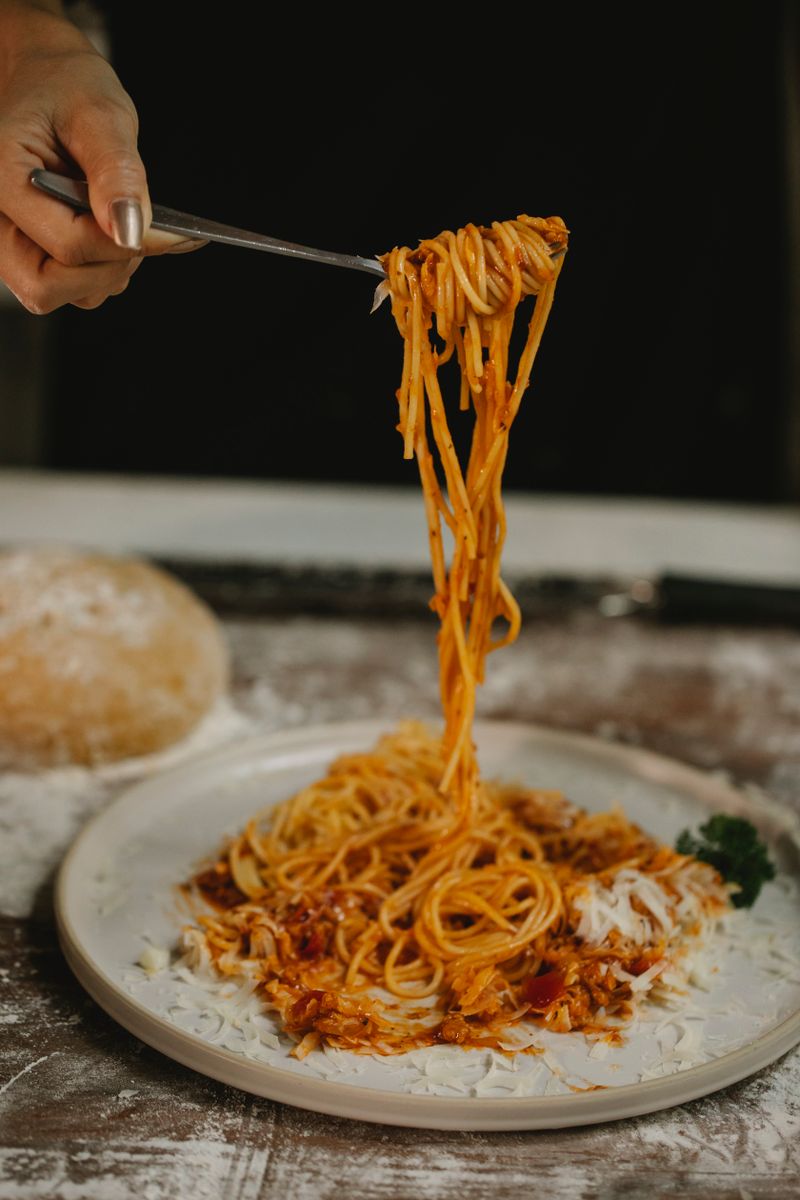
The Galician Dough: Simple and Perfect
Galician empanada dough is not puff pastry, nor pizza dough, nor shortcrust pastry. It is its own unique dough, thinner and crispier than bread, made with flour, olive oil, warm water, and a pinch of salt. It does not contain yeast (some versions do, but the traditional one does not) and is worked minimally to ensure it remains tender, not elastic.
It's a dough that anyone can make in 10 minutes by hand: mix, knead briefly, and roll out. It doesn't require a long rest (30 minutes is enough), doesn't need to ferment, and is forgiving of mistakes. If the dough is a bit thick, the empanada will be more "bakery-style"; if it's thin, it will be crispier and more elegant.
The key proportion is: for every 500g of flour, 100ml of olive oil + 150ml of warm water. This proportion yields a manageable dough that doesn't stick or tear when rolled out.
Ingredients for 6 servings
For the dough:
- 500 g wheat flour
- 100 ml extra virgin olive oil
- 150 ml warm water
- 1 teaspoon salt
- 1 beaten egg (for brushing)
For the filling:
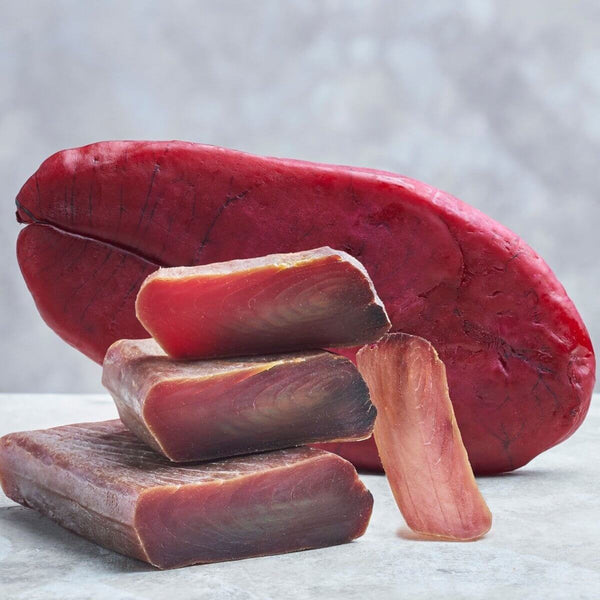
- 400 g albacore tuna (fresh, shredded, or drained canned)
- 2 large onions, finely chopped
- 1 red bell pepper, chopped
- 1 green bell pepper, chopped
- 2 ripe tomatoes, grated
- 3 cloves garlic, minced
- 1 teaspoon sweet paprika from La Vera
- Olive oil
- Salt and pepper
Step-by-step
Step 1: The dough (10 min + 30 min rest). Mix the flour with the salt in a bowl. Make a well in the center and pour in the olive oil and warm water. Mix with your hands or a fork until a ball forms. Knead for 2-3 minutes on a floured surface — just until it's smooth and no longer sticky. Wrap in cling film and let rest for 30 minutes at room temperature.
Step 2: The filling (15 min). In a large pan, heat olive oil and sauté the onions for 8-10 minutes. Add the bell peppers and garlic, cook for 5 more minutes. Stir in the grated tomato and cook until the water evaporates (4-5 minutes). Remove from heat, add the paprika, stir, and let cool. Incorporate the shredded tuna (if canned, drain well). Mix and let cool completely — the filling must be cold before assembling the empanada.
Step 3: Assemble the empanada. Divide the dough into two parts (one slightly larger). Roll out the larger part with a rolling pin on a floured surface into a thin rectangle or circle (3-4 mm). Place it on a baking sheet lined with parchment paper. Distribute the cold filling, leaving a 2 cm border. Roll out the other half and cover. Fold and seal the edges by pressing with a fork or pinching with your fingers (the Galician repulgue).
Step 4: Prepare for baking. Make 3-4 small holes on the surface for steam to escape. Brush the entire surface with beaten egg for a golden sheen. If you wish to decorate, use leftover dough strips.
Step 5: Bake (30-35 min). Preheat oven to 200 °C, place the baking sheet in the middle rack. Bake for 30-35 minutes until golden brown and crispy. If it browns too quickly on top, cover it with aluminum foil.
Step 6: Rest and serve. Let rest for 10-15 minutes before cutting. The empanada is good hot, warm, or cold. Many Galicians prefer it at room temperature or even the next day.
The Perfect Filling
The filling of a Galician empanada has a fundamental rule: it must be cold and dry before assembly. A hot filling softens the bottom crust, and a wet filling soaks it. Here are the tricks:
- Drain the tuna well: If canned, drain all the oil. If fresh, cook it first and then shred it.
- Cook the tomato until evaporated: Tomatoes release a lot of water. Cook it until concentrated and dry.
- Cool completely: Spread the filling on a platter to cool quickly. You can put it in the fridge for 20 minutes.
- Paprika off the heat: Add the paprika with the pan off the heat so it doesn't burn and turn bitter.
Tips
- Thin dough = crispy: Roll out the dough as thinly as possible (3-4 mm). Galician empanada is thin, not thick like a stuffed bun.
- Steam holes: Essential. Without them, steam accumulates, and the top crust becomes soggy.
- Egg wash: Beaten egg provides that professional golden shine. Apply an even layer with a brush.
- Next-day deliciousness: Galician empanada, like tortilla, is even better the next day. The dough absorbs the juices from the filling, and the flavors meld.
- Freeze before baking: You can assemble the entire empanada, freeze it raw, and bake it directly (add 10-15 minutes extra). Perfect for having it ready.
Variations
- Tuna empanada: Substitute bonito with canned tuna. More economical, stronger flavor.
- With raisins and hard-boiled egg: A classic festive version: add raisins to the filling and hard-boiled egg slices on the base before closing.
- Cod empanada: Desalted shredded cod instead of bonito. A Lenten classic.
- Corn dough (Brona empanada): Substitute part of the wheat flour with corn flour for a more rustic and Galician version.
- Mini-empanadas: Cut them into individual disks and close like empanadillas. Perfect for snacking.
Nutritional Information (per serving, 1/6 of empanada)
| Nutrient | Per Serving |
|---|---|
| Calories | 450 kcal |
| Proteins | 22 g |
| Fats | 18 g |
| Carbohydrates | 48 g |
More recipes with bonito: Basque marmitako, Arguiñano's onion-braised tuna, and pickled tuna.
Conclusion
Galician bonito empanada is one of the great dishes of Spanish cuisine: a thin, crispy dough enveloping a juicy filling of bonito with sofrito. The process is easier than it seems — the dough takes 10 minutes, the filling 15, and the oven does the rest.
The best advice: make it the night before. Next-day empanada, at room temperature, is superior to freshly made. The flavors meld, and the dough absorbs the juices from the filling. It's the empanada you remember from Galician festivities.
Frequently Asked Questions
Can it be made with puff pastry?
You can, but it won't be a Galician empanada. Puff pastry is fattier and flakier (obviously), with a completely different texture. The Galician olive oil dough is thin, crispy, and lighter. If you use puff pastry, it's a valid empanada but not traditional.
Can it be frozen?
Yes, both raw (before baking, add 10-15 min extra) and baked (reheat at 180 °C for 15 min). Freezing raw yields better results.
What kind of bonito should I use?
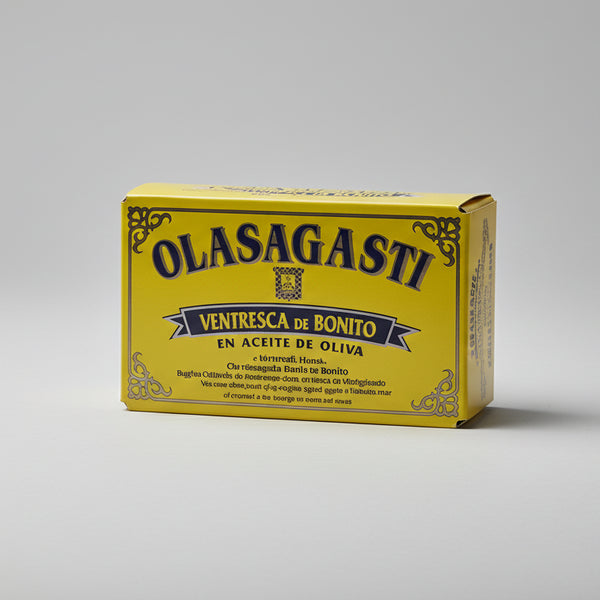
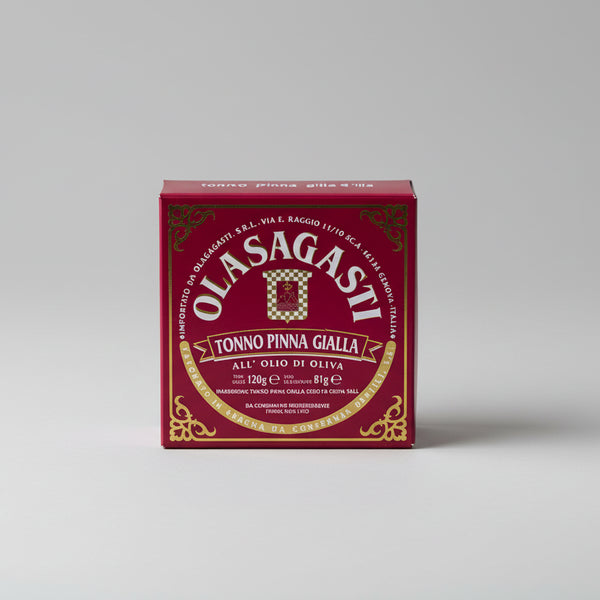
Canned albacore tuna (in olive oil, drained) is the most practical and common option. Fresh albacore in season: cook it first by steaming or pan-frying, then shred it. Both yield good results.
Why should the filling be cold?
The heat from the filling melts the fat in the dough and softens it before baking. Additionally, the steam generated by a hot filling soaks the bottom crust. Always cold, no exceptions.
How long does the empanada last?
3 days in the refrigerator, well covered. It's best on day 2. It can be eaten cold or briefly reheated at 180 °C to restore crispiness.
Can I substitute with canned tuna?
Yes, it's the most common substitution and works perfectly. Canned tuna is more economical and has a more intense flavor than albacore tuna.
María José Sáez Pastor
More than 35 years selecting and preparing seafood products at Mercat del Ninot in Barcelona. She knows every recipe because she has cooked them all — and improves them with professional expertise.