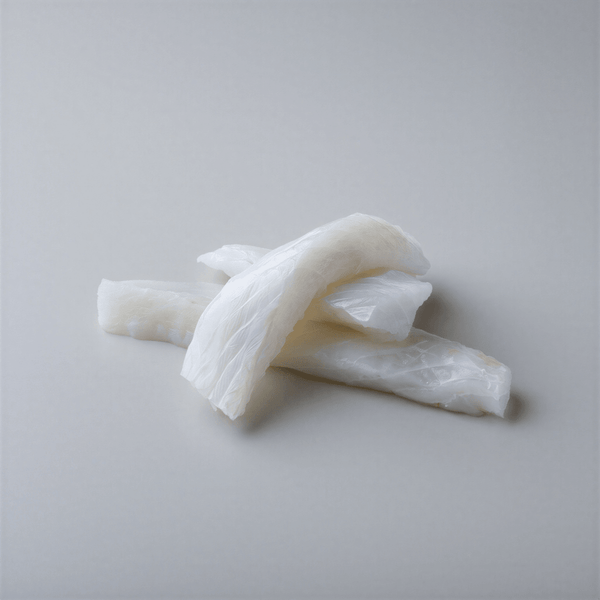
In short: AESAN recommends 2-3 servings of fish/week during pregnancy, avoiding large fish with mercury (bluefin tuna, swordfish, shark, pike). Anchovies, sardines, European anchovies (boquerones), smoked salmon treated for anisakiasis, and desalted cod are safe. Omega-3 EPA+DHA are essential.
Table of contents
AESAN general recommendation for pregnant women
The Spanish Agency for Food Safety and Nutrition (AESAN) recommends in its 2022-2026 guide consuming 2-3 servings of fish per week during pregnancy and lactation. The reason: omega-3 EPA+DHA are critical for fetal neurological development (especially in the 3rd trimester).
The classic concern about mercury is real BUT it only applies to a specific group of large fish. Most Spanish oily fish is safe.
PERMITTED and recommended fish
Oily fish (high omega-3):
- Cantabrian anchovy (highly recommended!)
- Sardine
- Vinegared European anchovy (if frozen 24h at -20°C for anisakis)
- Mackerel
- Atlantic bonito
- Fresh salmon and cold smoked salmon (with anisakis treatment)
- Trout
White fish:
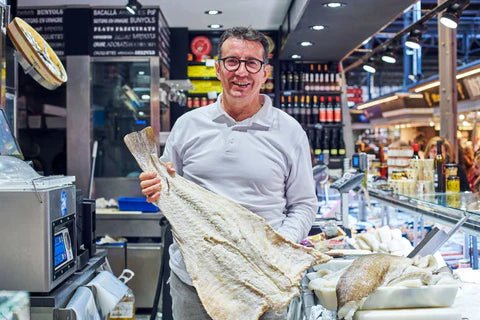
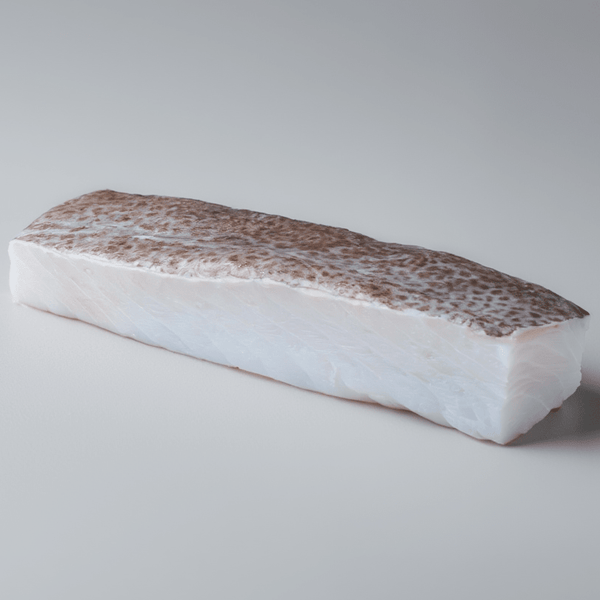
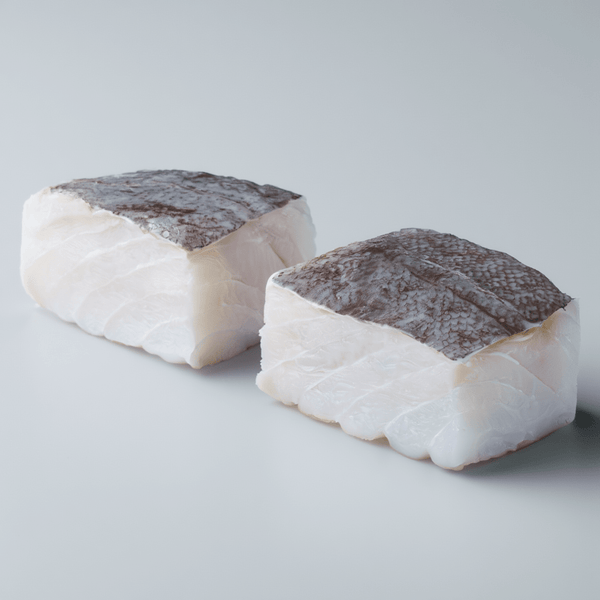
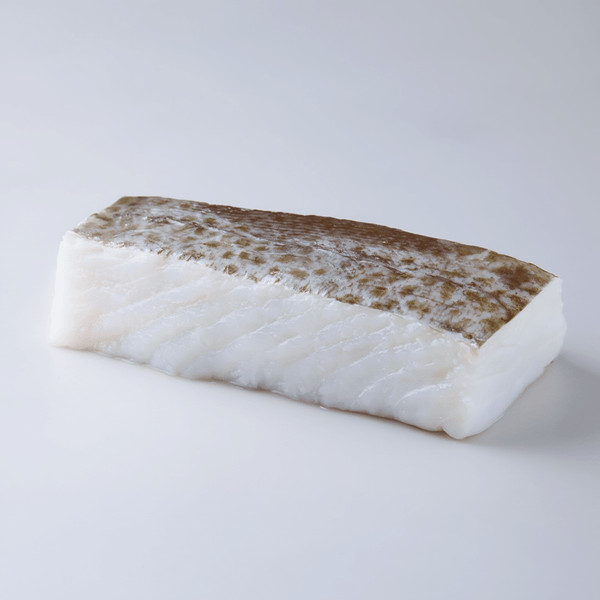
- Desalted and fresh cod
- Hake
- Monkfish
- Sole
- John Dory
- Sea bass
Canned goods: canned skipjack tuna (Thunnus albacares) and Atlantic bonito, sardines in oil, mussels, cockles. All safe.
Fish AESAN recommends AVOIDING
Due to mercury content (large predators):
- Fresh bluefin tuna (Thunnus thynnus)
- Swordfish / emperador
- Shark / dogfish / mako shark
- Pike
- Pangasius
These species accumulate methylmercury which crosses the placenta and can affect fetal neurological development. CANNED tuna (skipjack or Atlantic bonito) is OK because it comes from smaller species with less mercury.
Anisakis: the other risk during pregnancy
The anisakis parasite is always dangerous, but more so in pregnancy due to the difficulty of antibiotic treatment. Any fish intended to be eaten raw (sushi, sashimi, ceviche, vinegared European anchovies) or marinated must be previously frozen at -20°C for 24 hours (AESAN standard).
Fish ALREADY FROZEN from a fishmonger or supermarket have already undergone the treatment. Fresh fish for raw consumption: freeze for 48-72 hours in a home freezer (which reaches -18°C) before preparation.
Why omega-3s are critical in pregnancy
The fetus needs 200-300 mg/day of DHA in the 3rd trimester for brain development. If the mother does not consume fish, the fetus extracts DHA from maternal reserves, depleting reserves for subsequent lactation.
A can of sardines (110g) provides ~1,500 mg EPA+DHA. A portion of smoked salmon (50g) provides ~600 mg. A can of Atlantic bonito provides ~800 mg.
Plant-based omega-3s (chia, flax) are ALA, not DHA. The body converts ALA→DHA with very low efficiency (<5%). That's why fish is practically nutritionally irreplaceable during pregnancy.
Frequently asked questions
Can I eat Cantabrian anchovies when pregnant?
What about canned tuna?
Smoked salmon in pregnancy: yes or no?
Can I eat vinegared European anchovies?
How many times a week can I eat fish when pregnant?
What if I ate swordfish before I knew I was pregnant?
Is fresh or canned fish better during pregnancy?
To conclude
Pregnancy is not a reason to avoid fish — on the contrary, omega-3s are critical for fetal neurological development. The important thing is to choose wisely: small oily fish (anchovies, sardines, European anchovies), salmon with anisakiasis treatment, desalted cod, canned skipjack tuna. At Bacalalo, you'll find premium canned goods that meet all AESAN requirements.