Summary: To properly purge clams, submerge them in cold salted water (30 g per liter, about 2 tablespoons) for 2-3 hours. Clams open and close their shells, expelling accumulated sand from within. Change the water once halfway through the process. Rinse under the tap before cooking. With natural canned clams, purging is not necessary.

Why Purge Clams?
Clams are filter feeders: they live buried in the sand on the seabed and feed by filtering water. In this process, they accumulate sand and sediment particles inside their cavity. If you cook them without purging, that sand ends up in your dish — and biting into a grain of sand in a clam dish like clams marinière ruins the experience.
Purging simulates sea conditions: cold, salty water. The clam, sensing saltwater, becomes active and begins to filter — repeatedly opening and closing its shells. In this movement, it expels the sand it contains. It's a natural process that requires time and the correct salinity and temperature conditions.
Not all clams contain the same amount of sand. Farm-raised clams (Japanese, which are the majority in the market) usually have less sand than wild-caught clams (Galician "fina" clams, for example). But purging is always recommended — the only cost is time.
Step-by-Step Method
- Prepare the salted water: Fill a large bowl with cold tap water. Add 30 g of salt per liter (2 level tablespoons of fine salt per liter). Stir until dissolved. The ratio is important: too much salt kills them, too little salt won't activate them.
- Submerge the clams: Place them in the salted water. Don't crowd them — they need space to open their shells. If you have many, use a wide dish or basin.
- Colander trick: Place a colander or rack inside the bowl and put the clams on top. This way, the sand falls to the bottom and the clams don't reabsorb it. This detail makes all the difference.
- Wait 2-3 hours: Let them rest at room temperature (if it's not too hot) or in the refrigerator (in summer). Do not put them in direct sunlight or hot water.
- Change the water: Halfway through the time (1-1.5 hours), drain and prepare new salted water. You'll see sand at the bottom of the bowl — that's what would have ended up on your plate.
- Final rinse: Rinse the clams under the tap, gently rubbing shell against shell to remove any external residue.
- Discard dead ones: Any clam that is open and doesn't close when tapped is dead. Discard it — it might be spoiled.

Purging Times by Clam Type
| Clam Type | Minimum Time | Ideal Time | Typical Sand Content |
|---|---|---|---|
| Fine clam (Galician) | 3 hours | 4-6 hours | Lots |
| Japanese clam | 1 hour | 2-3 hours | Little-medium |
| Venus clam (babosa) | 2 hours | 3-4 hours | Medium |
| Small clam (chirla) | 1 hour | 2 hours | Little |
| Cockle | 2 hours | 3-4 hours | Medium-lots |
| Coquina clam | 2 hours | 3-4 hours | Lots |
How Much Salt Exactly?
The correct ratio is 30-35 g of salt per liter of water, which simulates the average salinity of the sea (35 g/L). In household measurements:
- 2 level tablespoons of fine salt per liter of water
- 1.5 tablespoons of coarse salt per liter (coarse salt weighs more per tablespoon)
Too much salt (>50 g/L): the clam closes tightly and doesn't purge at all. It may even die if the concentration is very high.
Too little salt (<20 g/L): the clam doesn't recognize the water as "marine" and remains inactive. It can also die from osmotic shock if the water is completely fresh.
The water must be cold (never hot). The ideal temperature is 10-18 °C. In summer, purge in the refrigerator to prevent the water from heating up and the clams from deteriorating.
5 Common Mistakes When Purging Clams
- Using tap water without salt: Fresh water can kill clams and does not activate the filtering mechanism. Always use salted water.
- Leaving them too long: More than 8 hours and clams start to weaken and die. 2-4 hours is the optimal range for most.
- Piling them up: If they are crowded, the ones at the bottom cannot open their shells. Use a wide container where they can fit in one or two layers.
- Not changing the water: The water becomes saturated with sand and the clam reabsorbs it. Changing it halfway through the process is important.
- Purging in hot water: Clams are cold-water creatures. With lukewarm/hot water, they get stressed, don't purge well, and can start to cook.
Advanced Tips
- Cornstarch: Some cooks add a tablespoon of cornstarch to the water. The theory is that the clam filters the cornstarch, and the sand comes out with it. There is no scientific evidence, but many professionals do it and say it works.
- Darkness: Cover the bowl with a cloth. In the dark, clams feel more secure and open more, purging more efficiently.
- Knife on the table: Grandma's trick: put a steel knife (not stainless) in the water. It is said that iron stimulates purging. Evidence: anecdotal, but it doesn't hurt.
- Double express purge: If you're in a hurry, do two 1-hour cycles with fresh water in each. It's less effective than 3 continuous hours but better than nothing.
Do Canned Clams Need Purging?
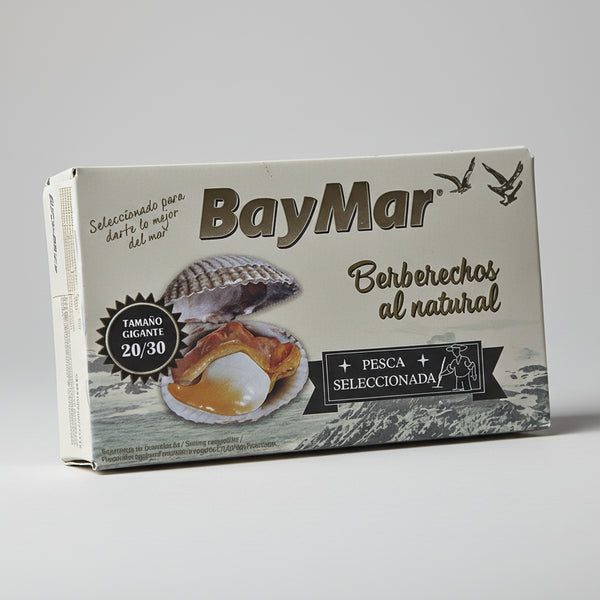
No. Canned clams (natural or in sauce) are already clean, cooked, and ready to eat. The industrial process includes purging and purification before canning. You can use them directly from the can for any recipe.
This makes them the most convenient option when you don't have time to purge fresh clams. For recipes like clams marinière or pasta with clams, natural canned clams are a perfectly valid alternative that many professionals use in their kitchens.
How to Tell if They Are Well Purged
After purging, check these indicators:
- Sand at the bottom: If you see sand deposited at the bottom of the bowl, the purging has worked. The more sand, the more necessary it was.
- Cloudy water: The water will be somewhat cloudy due to the fine particles they have expelled. This is normal.
- Active clams: Live clams close quickly when touched or tapped. If they remain open, they are dead: discard them.
- Cooking test: Cook a single clam and bite it carefully. If it doesn't crunch, they are well purged.
If you're interested in clams, also read our guide to clam types and the clams marinière recipe with white wine.
Conclusion
Purging clams is a simple process that requires three things: cold water, the correct amount of salt (30 g/liter), and patience (2-3 hours minimum). The colander trick to prevent sand reabsorption and changing the water halfway through are the two details that turn a decent purge into a perfect one.
Don't skip this step. The difference between well-purged clams and sandy ones is the difference between a memorable dish and a frustrating one.
Frequently Asked Questions
Can clams be purged overnight?
Yes, but in the refrigerator and changing the water at least once. Don't leave them for more than 12 hours total. If you need to buy them a day in advance, store them in the refrigerator covered with a damp cloth (not submerged) and purge on the day of cooking.
Can I use coarse salt or does it have to be fine?
Both work, but fine salt dissolves faster. If using coarse, stir well to ensure it dissolves completely. The ratio changes: 1.5 tablespoons of coarse per liter.
Does it work with real seawater?
It's ideal. If you have access to clean seawater, use it directly without adding salt. Clams recognize seawater as their natural environment and purge more efficiently.
What happens if I don't purge the clams?
You will find sand when eating them. It is not dangerous to health, but it ruins the texture and the experience of the dish. With farmed clams, you might find little sand; with wild clams, a lot.
Are cockles and coquinas purged the same way?
The process is identical: cold salted water, 2-4 hours. Cockles and coquinas usually have more sand than Japanese clams, so purge for at least 3 hours.
Can I purge frozen clams?
No. Frozen clams are already dead and do not filter. If you bought frozen clams, they are already purged at the factory. Thaw them in the refrigerator and cook them directly.
Lalo González Rodríguez
Since 1990 at Mercat del Ninot, Barcelona. We select seafood products directly from the producer. It's not marketing — there are verifiable factors.