Cleaning sardines is quicker than you think: with a knife, running water, and 3 steps (scaling, gutting, rinsing) you can have a sardine ready to cook in less than 30 seconds. In this guide, we teach you the market technique — no fuss, no special tools.

Why clean sardines yourself
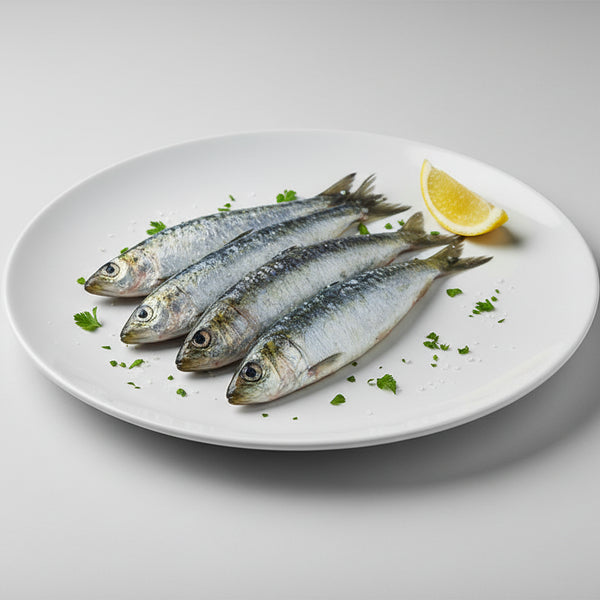
Buying whole sardines and cleaning them at home has clear advantages: they are cheaper than pre-cleaned ones, you can check their freshness (bright eyes, red gills, firm flesh), and you control exactly how much you clean them depending on the preparation.
For grilled sardines, for example, many cooks prefer to leave the central bone and only gut them. For pickled or fried sardines, filleting them is better. For oven-baked sardines with salt, they are cooked almost whole. Knowing how to clean them gives you options that fishmongers don't always offer.
The reality is that cleaning a sardine takes less than 30 seconds once you get the hang of it. With 1 kg (about 8-10 medium sardines), you'll have everything ready in 5 minutes.
What you need to clean sardines
- Fresh sardines (bright eyes, firm body, sea smell)
- A small or utility knife (doesn't need to be very sharp)
- Cold running water
- A cutting board
- Paper towels for drying
- A bowl of cold water (optional, to place the cleaned ones)

Step 1: Remove the scales
Hold the sardine by the tail and run the dull side of the knife (not the blade) from the tail towards the head, against the scales. Do this under a gentle stream of cold water so the scales don't fly all over the kitchen.
Sardines have small, soft scales — they come off easily. Repeat on both sides. You don't need to be a perfectionist: if 2-3 scales remain, it's fine, especially if you're grilling or baking them.
Market tip: If you're grilling sardines, you can even skip this step. The scales burn and are removed with the skin when eaten. Many professional grill masters don't scale grilled sardines.
Step 2: Gut the sardine
Using the tip of the knife or directly with your thumb, make an incision from the sardine's anus (near the tail, on the ventral side) up to the head. Open the cavity and remove the entrails with your finger. Everything should come out in one piece — intestines, liver, and roe if present.
If the sardine has roe and it's firm and orange, you can save it: it cooks on the grill in 1 minute and is a delicacy.
Quick method: To go faster, you can snap off the head by pulling it downwards, and the guts will come out attached to it. This is the most common method used in markets and the most efficient for large quantities.
Step 3: Rinse and dry
Rinse each sardine under cold running water, running your finger inside the cavity to remove any remaining blood and viscera. The bloodline along the backbone should be clean — it's what makes it bitterest if left behind.
Dry them with paper towels. A sardine that is dry on the outside cooks better when grilled (crispier) and absorbs less oil when fried. If you're going to store them for later cooking, dry them thoroughly before refrigerating.
Knife-free method (hands only)
It's possible to clean sardines without any tools, just with your fingers. Many experienced fishmongers do it this way:
- Hold the sardine with your left hand (if you're right-handed) by the body.
- With your right thumb, press just behind the head on the ventral side and slide towards the tail, opening the sardine.
- With your index finger, pull out the guts in one go.
- Rinse under the tap.
This method is faster but requires practice. The first few times you might break one. With 10-15 practice sardines, you'll master it.

Common mistakes when cleaning sardines
1. Not removing the bloodline. The dark blood along the central spine makes it bitter when cooked. Use your finger or a brush under the tap to remove it.
2. Cleaning sardines with hot water. Hot water partially cooks the surface and breaks down the flesh. Always use cold water.
3. Leaving the guts in for too long. If you buy sardines in the morning and don't clean them until evening, the viscera will start to decompose the flesh. Clean them as soon as possible after purchase.
4. Squeezing too hard. Sardines are delicate fish. If you squeeze too hard when scaling or opening, you will tear the flesh. Use firm but gentle movements.
5. Not drying before cooking. Surface moisture prevents sardines from browning on the grill. Dry them thoroughly with paper towels.
How to fillet sardines (optional)
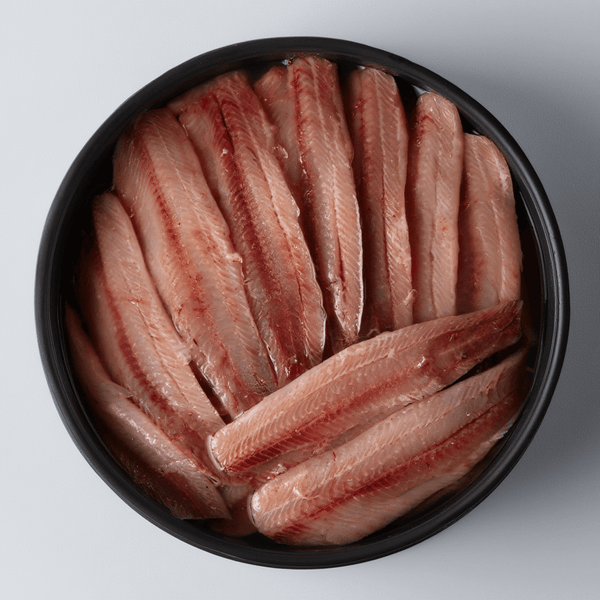
If you need fillets (for pickling, tempura frying, or sardines in vinegar), the process is simple once gutted:
- Open the sardine completely along its belly, like a book.
- With your thumb, slide along the central spine, separating it from the flesh.
- Pull out the spine from the tail towards the head. It should come out whole.
- Check with your fingers for any loose bones and remove them.
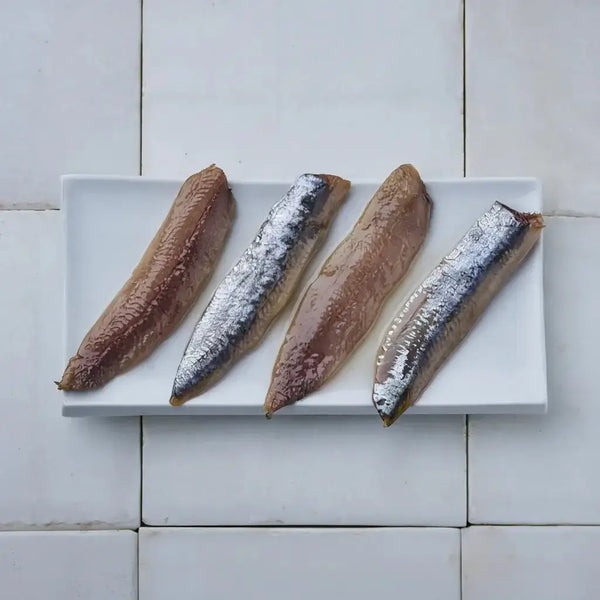
You will get a butterfly fillet (two fillets joined by the back). If you want individual fillets, cut along the back with a knife.
Storage after cleaning
In the fridge: Clean sardines in a covered container, on ice or with absorbent paper at the bottom. Consume within a maximum of 24 hours.
In the freezer: Clean and dry sardines in an airtight zip-lock bag. They last 2-3 months. Always thaw in the fridge, never at room temperature.
Pickled: Once cleaned and filleted, pickling (vinegar + oil + spices) preserves sardines for 2-3 weeks in the fridge. Read our pickled sardine recipe for the full process.
Conclusion
Cleaning sardines is not a dirty job — it's a basic cooking skill that can be learned in 5 minutes and mastered in a couple of tries. The 3 fundamental steps (scaling, gutting, rinsing) apply to virtually any small fish: anchovies, horse mackerel, red mullet.
Buy whole, fresh sardines with bright eyes. Clean them yourself. You'll notice the difference on the grill.
Frequently asked questions
How long does it take to clean a kilo of sardines?
Between 5 and 10 minutes with practice. A kilo is about 8-10 medium sardines. The first time will take longer, but you'll quickly get into a rhythm.
Do you have to remove the scales for grilled sardines?
It's not essential. The scales burn and are removed with the skin when eaten. Many professional grill masters don't scale grilled sardines.
Can you eat sardine guts?
Technically yes, but they taste bitter and their texture is not pleasant. For very small sardines (like sardinella), they are usually eaten whole without gutting, but for medium or large sardines, remove them.
How do I know if a sardine is fresh?
Bright, bulging eyes (not sunken), red gills (not brown), firm flesh to the touch, sea smell (not ammonia). If you press it with your finger and the mark quickly recovers, it's fresh.
Can frozen sardines be cleaned?
It's better to clean them fresh and then freeze them. If they are already frozen whole, thaw them in the fridge and clean them immediately. Do not refreeze.
Do you have to remove the bone for grilled sardines?
No. For grilling, they are cooked whole (only gutted). The bone is easily removed when eaten — it separates from the cooked flesh on its own.
How to remove the sardine smell from hands?
Rub your hands with lemon and coarse salt, then wash with soap. Rubbing with stainless steel under the tap (a steel spoon works) also helps.
Lalo González Rodríguez
Since 1990 at Mercat del Ninot, Barcelona. We select cod and seafood directly from the producer. It's not marketing — there are verifiable factors.