Summary: Cod kokotxas are the most gelatinous (ideal for pil-pil), hake kokotxas are softer and cheaper (ideal for soups and stews), monkfish kokotxas are firm and less common (ideal for grilling or barbecuing). In terms of price: hake < cod < monkfish. In terms of collagen: cod > hake > monkfish. For classic pil-pil, cod wins. For versatility and price, hake.
What exactly are kokotxas?
Kokotxa is the lower jowl or "chin" of the fish, just below the mouth. It's a small piece, rich in collagen and gelatin, with a unique texture — somewhere between meaty and almost gelatinous when cooked. In Basque cuisine, it has been used for centuries in pintxos and festive dishes. Today, it is recognized as a premium product throughout the country.
Not all kokotxas are the same. Each fish species yields a kokotxa with a distinct profile of collagen, flavor, and texture. The three types sold in Spain are cod, hake, and monkfish — in that order of demand and gastronomic prestige.
Origin of the name
The three commercial types: cod, hake, and monkfish
Cod kokotxas (Gadus morhua)
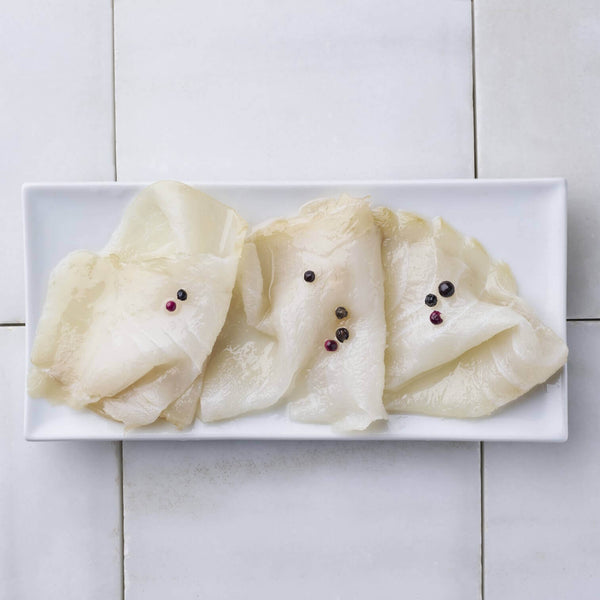
The queens of pil-pil. Size 4–8 cm, pearly white color, high collagen content (18–22%). Very marked gelatinous texture when cooked — fat and gelatin release easily, thickening the sauce on their own. Subtle, marine flavor, without strong notes. They are sold fresh (rarely, in Basque season January–March), desalted (most common in specialized fishmongers) or frozen.
Hake kokotxas (Merluccius merluccius)
Softer, cheaper, more versatile. Size 3–5 cm, translucent white color, medium collagen (12–16%). More delicate texture, finer, almost neutral flavor. Excellent in soups, stews with tomato and potatoes, salsa verde. They work for pil-pil but require more technique.
Monkfish kokotxas (Lophius piscatorius)
The least common and most surprising. Size 6–10 cm, yellowish-gray color, low collagen (6–10%). Firm texture, almost like lean fish meat. Intense, slightly sweet flavor, more meaty than fishy notes. Best grilled, barbecued, marinated or in a strong tomato stew.

Complete comparative table
| Characteristic | Cod | Hake | Monkfish |
|---|---|---|---|
| Species | Cod | Hake | Monkfish |
| Average size | 4–8 cm | 3–5 cm | 6–10 cm |
| Raw color | Pearly white | Translucent white | Yellowish-gray |
| Collagen % | 18–22% | 12–16% | 6–10% |
| Cooked texture | Very gelatinous | Soft and delicate | Firm, fleshy |
| Flavor | Subtle, marine | Fine, almost neutral | Intense, sweet |
| Price 2026 €/kg | 35–75 | 25–45 | 50–80 |
| Availability | High (desalted year-round) | Very high (fresh) | Low (seasonal) |
| Best recipe | Pil-pil, salsa verde | Soup, stew, salsa verde | Grilled, barbecued, hearty stew |
| Ease of cooking | Medium (pil-pil) | Easy | Easy but less versatile |
Flavor and texture: which one you'll like best
An informal tasting panel with customers from Mercat del Ninot gives us these indicative results when comparing the three blind:
- If you like a distinct gelatinous texture (lots of substance, "spreadable"): cod wins 7/10 tastings.
- If you prefer delicacy and fine flavor: hake wins 6/10.
- If you're drawn to cooking with powerful flavors and atypical notes: monkfish wins 4/10 (a loving minority).
A common mistake: ordering grilled kokotxas expecting a hake-like texture. Grilling works better with monkfish because it withstands dry heat; cod kokotxas shrink and lose gelatin over direct fire.

Which kokotxas to use for each recipe
| Recipe | Best option | Why |
|---|---|---|
| Classic Pil-pil | Cod ⭐⭐⭐⭐⭐ | Cod wins hands down: the collagen thickens the sauce effortlessly |
| Salsa Verde | Cod or Hake ⭐⭐⭐⭐ | Both work. Hake is finer |
| Fish soup | Hake ⭐⭐⭐⭐⭐ | We don't want excessive gelatin in soup |
| Stew with potatoes | Cod or Hake ⭐⭐⭐⭐ | Cod gives more body to the broth |
| Grilled | Monkfish ⭐⭐⭐⭐⭐ | Withstands dry heat better |
| Barbecued | Monkfish ⭐⭐⭐⭐ | Cod and hake break apart |
| Sous vide 55°C | Cod ⭐⭐⭐⭐⭐ | Butter-like texture. See sous vide guide |
| Fried and battered | Hake ⭐⭐⭐⭐ | Ideal size and delicacy |
| Pintxo or cold tapa | Desalted cod ⭐⭐⭐⭐ | Marinated with pepper vinaigrette |
Price comparison 2026
Real data from May 2026, comparing fishmongers in Barcelona, Madrid, Bilbao and 8 specialized online stores:
| Type | €/kg 2026 | Availability |
|---|---|---|
| Premium desalted cod | 40–48 | Available all year |
| Fresh market cod | 60–75 | Only Jan–Mar Basque region |
| Quality frozen cod | 32–40 | IQF on board |
| Fresh hake | 30–45 | All year, best at market |
| Frozen hake | 20–32 | Good quality if IQF |
| Fresh monkfish | 50–80 | Seasonal, high variability |
| Frozen monkfish | 40–55 | Very low availability |
Which to choose based on your situation
Practical summary:
- First time cooking kokotxas: desalted cod. They forgive mistakes, thicken pil-pil almost on their own.
- Tight budget: hake. Good value for money.
- Special dinner / gift: fresh seasonal cod or premium desalted cod.
- Surprise dish or experiment: monkfish — few know it and it's great grilled.
- Family soup or stew: hake for price and delicacy.
- Impressive pil-pil: always cod.

Discover our premium selection
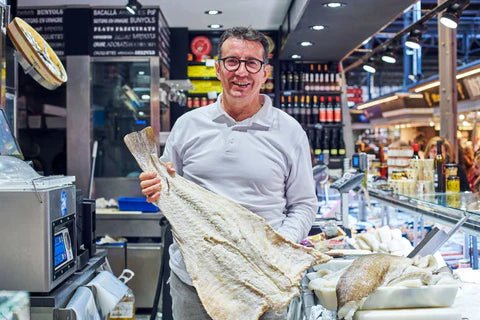
Seafood products carefully selected since 1990 at Mercat del Ninot, Barcelona. Refrigerated shipping in 24-48h.
Conclusion
Cod, hake, and monkfish kokotxas are three distinct products, not just variations of the same thing. If you're cooking classic pil-pil, cod is the undisputed choice. If you want versatility and a good price, go for hake. If you want to surprise at a special dinner, grilled monkfish. Knowing the differences prevents you from overpaying for something that doesn't fit your recipe, or from serving disappointing kokotxas that don't bind.
Further reading: