Cod ceviche is a recipe that unites two worlds: the Peruvian tradition of fish marinated in citrus with the unique firmness of desalted cod. The result is a cold, refreshing, and flavorful dish, perfect for warm days. In this guide, we teach you the step-by-step recipe, tips for perfect cod, variations with different dressings, and the keys to serving it as a stellar summer appetizer.
What is cod ceviche and why it works
Cod ceviche is a preparation where diced desalted cod is marinated in citrus juice, mainly lime, for a controlled period. The citric acid denatures the fish proteins, "cooking" it cold: the flesh goes from translucent to opaque, changes texture, and gains firmness without the need for heat.
What makes cod particularly interesting for ceviche is its salt-modified texture. The salting and subsequent desalting process changes the structure of the cod's muscle fibers, creating denser and more compact flesh than any fresh fish. This means:
- The cod cubes retain their shape during marination; they don't fall apart.
- The final texture is more "meaty" than fresh fish ceviche, with a satisfying bite.
- The flavor is deeper, with umami notes that fresh fish lacks.
- Residual salt from desalting provides natural seasoning, requiring less extra salt.
In Peru, where ceviche is cultural heritage, mainly corvina, sole, or grouper are used. But the Peruvian culinary community recognizes that desalted cod produces a different and valid ceviche: more rustic, heartier, with its own personality.

Desalted cod vs. fresh fish for ceviche
The most frequent question: if ceviche is traditionally made with fresh fish, why use desalted cod?
Advantages of desalted cod for ceviche:
- Food safety: the salting process eliminates parasites like Anisakis. Quality desalted cod is safe for raw consumption without prior freezing.
- Availability: you don't depend on the market's daily freshness. Vacuum-packed desalted cod gives you total flexibility for planning.
- Consistency: every time you make cod ceviche, the result will be similar. With fresh fish, quality varies by day.
- Unique texture: that "meatiness" of desalted cod cannot be achieved with any other fish.
Considerations:
- Desalted cod does not need as much marinating time as fresh fish. 15-25 minutes is enough, compared to 5-10 minutes for classic Peruvian ceviche with ultra-fresh fish.
- Cod already has residual salinity. Always taste before salting the leche de tigre.
Key ingredients: the essential base
A good cod ceviche needs four immutable pillars. The rest is variation:
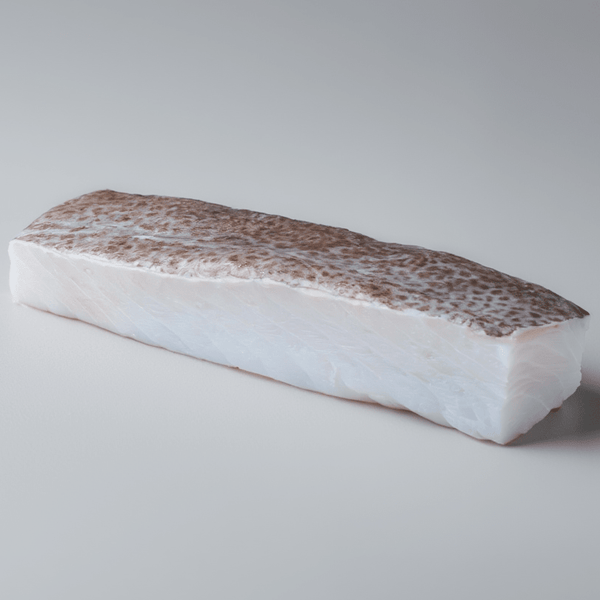
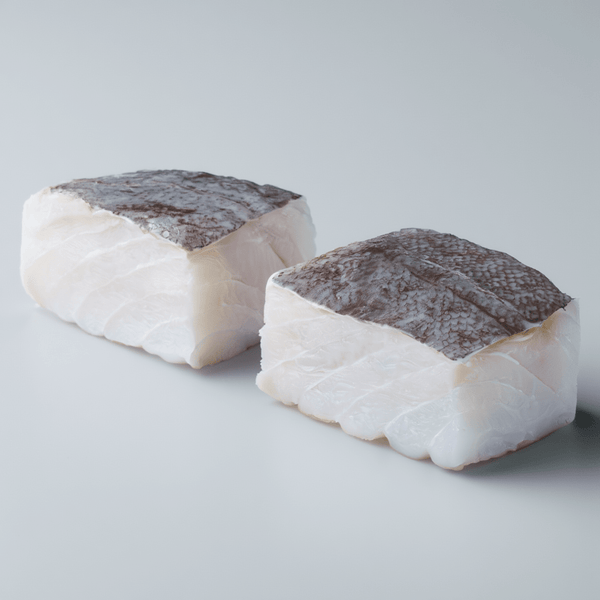
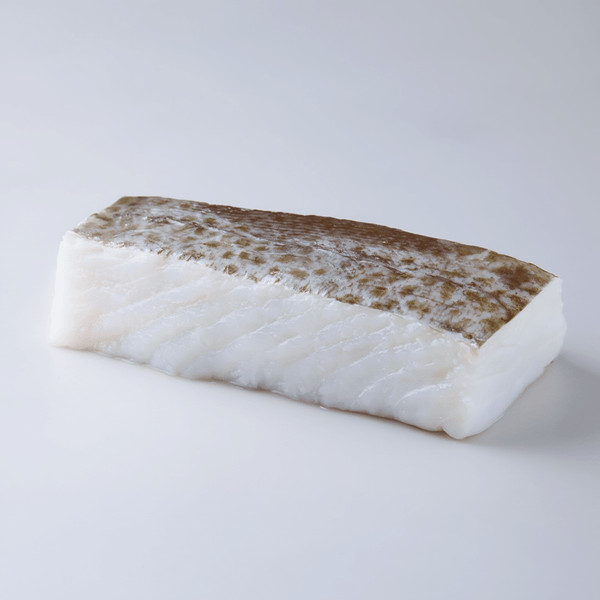
1. Quality desalted cod. This is 70% of the final result. Look for thick fillets with a firm texture, pearly white color, and a clean sea smell. If the piece smells of ammonia or looks yellowish, it is not suitable for ceviche. In our cod section, you will find selected pieces ideal for raw preparations.
2. Fresh limes. Freshly squeezed lime juice is irreplaceable. Lemon works, but the result is different: lime provides a more aromatic and floral acidity. You will need about 6-8 limes for 4 people. Always squeeze at the moment; never use bottled juice.
3. Red onion. Cut into ultra-thin julienne strips, added raw. Briefly washed under cold water to soften its pungency. Red onion is crunchy, sweet, and visually spectacular with its purple color.
4. Aji or fresh chili. Spice is an essential part of ceviche. In Peru, aji limo or aji amarillo are used. If you can't find them, green jalapeño works well. Adjust the amount to taste, but without spice, it's not ceviche.

Classic recipe: Peruvian cod ceviche
This is the basic recipe, true to the Peruvian spirit but adapted to desalted cod. Master it, and you can create all the variations you want.
Ingredients (4 servings)
- 500 g desalted cod, cut into 2 cm cubes
- Juice of 6-8 limes (approximately 200 ml)
- 1 large red onion, very thinly sliced julienne
- 1-2 aji limo or jalapeño peppers, deseeded, very finely chopped
- 1 bunch fresh cilantro, leaves only, coarsely chopped
- 1 finely grated garlic clove (optional, not in all Peruvian recipes)
- Salt (taste first, cod already contributes)
- Freshly ground black pepper
Classic Garnish
- 1 boiled sweet potato, cut into thick slices
- 1 boiled corn on the cob (Peruvian choclo if you can find it), cut into rounds
- Lettuce leaves for the base of the dish
- Toasted corn (cancha) for topping
Step-by-step preparation
- Cut the cod into uniform 2 cm cubes. Uniformity matters: different-sized cubes "cook" at different speeds in the acid.
- Place the cubes in a glass or ceramic bowl (never metal, which reacts with acid). Season with a pinch of salt if necessary after tasting.
- Add the grated garlic and chopped aji directly over the cod.
- Squeeze the limes and pour the juice covering the cubes. The juice should completely cover the fish.
- Mix gently and marinate in the refrigerator for 15-20 minutes. In Peru, ceviche is served almost instantly, but desalted cod needs a little more time than fresh fish.
- While it marinates, prepare the garnish: boiled sweet potato slices, corn rounds, washed lettuce.
- Add the red onion and cilantro to the bowl, mix gently.
- Taste and adjust: salt, more lime if more acidity is needed, more aji if you want more spice.
- Serve immediately over lettuce leaves, with sweet potato and corn on the side. Top with cancha (toasted corn) and extra cilantro.
Total time: 15 minutes prep + 15-20 minutes marinating. A restaurant-quality dish in less than 40 minutes.
Leche de tigre: the juice that changes everything
Leche de tigre (or panther's milk) is the juice resulting from ceviche: lime juice mixed with fish juices, aji, onion, and cilantro. In Peru, it is drunk in a small glass as an appetizer or used as a base for a second ceviche. It is, without exaggeration, the most important component of the dish.
The premium version of leche de tigre is prepared separately, blending fish trimmings with lime, aji, celery, ginger, and cilantro, then straining the result. This concentrated version is used to bathe the ceviche when plating.
Recipe for concentrated leche de tigre
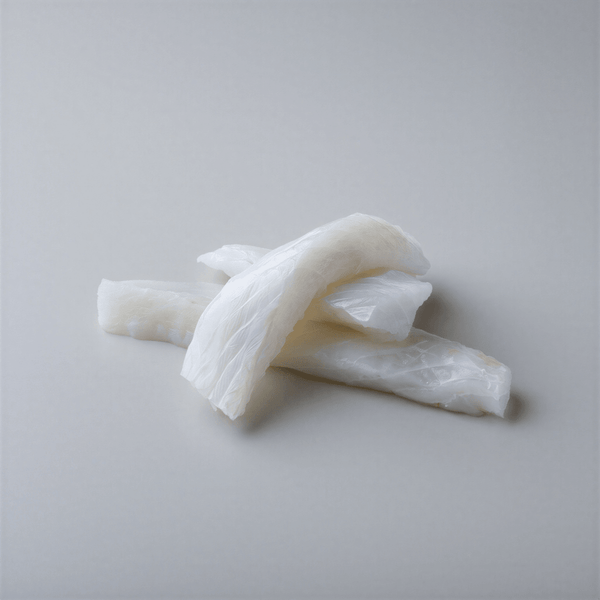
- 100 g desalted cod trimmings
- Juice of 4 limes
- 1 piece of celery (5 cm)
- 1 slice fresh ginger
- Half an aji limo
- A small bunch of cilantro (including stems)
- 2 ice cubes
- Salt
Preparation: Blend everything in a blender for 30 seconds. Strain with a fine sieve. The result is a milky liquid, acidic, spicy, and with a deep sea flavor. It is used to bathe the ceviche when serving and to drink in small glasses as an appetizer.
Ice is important: the leche de tigre must be very cold. In summer, you can prepare the leche de tigre in the morning and keep it in the refrigerator until serving time.
Tropical variation: cod ceviche with mango
Mango adds a tropical sweetness that contrasts with the acidity of lime and the spiciness of aji. This variation is especially popular in summer when mangoes are at their best.
Additional ingredients (over the classic base)
- 1 ripe (but firm) mango cut into cubes the same size as the cod
- Half a red bell pepper cut into brunoise
- Juice of 1 passion fruit (optional but spectacular)
- Fresh mint instead of some of the cilantro
Preparation
- Follow the steps of the basic recipe up to point 5.
- Add the mango cubes and red bell pepper along with the onion.
- If using passion fruit, add its juice to the mixture. Passion fruit seeds provide a crunchy texture.
- Serve with plantain chips instead of cancha to maintain the tropical theme.
The sweet-sour-spicy-salty contrast of this version is addictive. It's the perfect ceviche for an outdoor summer dinner.
Mediterranean variation: ceviche with tomato and basil
This version fuses the Peruvian concept with Mediterranean flavors. It works especially well because cod is, after all, a fish with European tradition.
Ingredients (over the base, replacing some elements)
- 2 ripe tomatoes cut into cubes
- 1 cucumber cut into thin half-moons
- Fresh basil instead of cilantro
- Kalamata black olives cut in half
- Capers
- Extra virgin olive oil (a generous drizzle)
- Lemon juice instead of lime
- Dried oregano
Preparation
- Marinate the cod in lemon juice (not lime) for 15-20 minutes.
- Add tomato, cucumber, olives, and capers.
- Finish with fresh basil, olive oil, and a pinch of oregano.
This Mediterranean ceviche is, in essence, a cod salad with a Peruvian accent. Perfect with toasted crystal bread and a glass of cold white wine.
Nikkei variation: ceviche with soy and ginger
Nikkei cuisine (Peruvian-Japanese fusion) produces some of the most sophisticated ceviches in the world. This version incorporates umami from soy and freshness from ginger.
Additional ingredients
- 2 tablespoons soy sauce
- 1 tablespoon toasted sesame oil
- 1 tablespoon fresh grated ginger
- Toasted sesame seeds (white and black)
- Scallions in thin rings (instead of red onion)
- Avocado sliced
Preparation
- Marinate the cod in lime juice mixed with soy and ginger for 15 minutes. Note: soy sauce adds salt, reduce or eliminate additional salt.
- Add scallions and aji.
- Serve over avocado slices, drizzle with sesame oil, and top with toasted sesame seeds.
The combination of lime + soy + sesame + ginger is one of the most balanced in modern cuisine. Cod, with its density, supports all these flavors without losing prominence.
Presentation and plating: how to serve a spectacular ceviche
Ceviche is a visual dish. Presentation matters as much as taste:
- Deep dark plate: the white of the cod, the purple of the onion, and the green of the cilantro contrast best on black, grey, or terracotta plates.
- Never flatten: build height, with the cod forming a mound in the center of the plate.
- Leche de tigre is added at the end: just before serving, pour the leche de tigre around the mound, not on top.
- Garnishes on the side, not underneath: sweet potato and corn are placed on one side of the plate, not as a soggy base.
- Top with whole cilantro leaves: not chopped, but loose leaves that add visual volume.
- Aji in thin slices on top of the ceviche: red or yellow color that breaks the palette of whites and greens.
For appetizer format, serve in large tasting spoons, clear glass shot glasses, or half scallop shells if you can find them. The small format allows guests to take a bite without committing to a whole portion.
The 5 mistakes that ruin a cod ceviche
- Marinating too long. More than 30 minutes and the cod becomes rubbery and grayish. The acid continues to denature proteins indefinitely. If preparing in advance, keep the cod separate from the lime and combine them just before serving.
- Using bottled lime juice. Processed juice has a metallic taste and lacks the aromatic complexity of fresh lime. It's the difference between a mediocre and an exceptional ceviche.
- Unwashed onion. Unwashed raw red onion releases an aggressive sulfury flavor that dominates the dish. A quick rinse under cold water for 30 seconds removes excess sulfuric compounds without losing crunch.
- Salting without tasting. Desalted cod already contains residual salt. If salting without tasting is a mistake in any dish, in cod ceviche it is critical. Always taste first.
- Serving lukewarm. Ceviche should be cold, really cold. Use bowls pre-chilled in the refrigerator, keep ingredients cold until assembly, and serve immediately. Lukewarm ceviche loses half its charm.
Storage and food safety
Ceviche is a dish to be consumed immediately after preparation. It is not a leftover dish. That said, these are the safety rules:
- Desalted cod for ceviche: it is safe for raw consumption if it has been processed correctly (salted and desalted). The salting process is an ancient preservation method that eliminates pathogens.
- Cold chain: keep the cod refrigerated until cutting. In summer, work on a cold board (you can put it in the refrigerator beforehand).
- Consumption: ceviche should be consumed within 2 hours of preparation. Do not store leftovers for the next day: the acid will have "cooked" the fish too much, and the texture will be unpleasant.
- Pregnant women and immunocompromised individuals: consult your doctor before consuming cold-marinated fish. Although salted cod is safer than raw fresh fish, caution is always advisable.
Cod Ceviche Pairings
Cod ceviche calls for drinks that complement its acidity without competing:
- Pisco sour: The quintessential Peruvian pairing. The acidity of pisco sour and ceviche enhance each other.
- Young, cold Albariño: Its crisp acidity and citrus notes mirror the ceviche.
- Cold lager beer: A very cold pilsner or lager cleanses the palate and refreshes between bites.
- Passion fruit water: If you don't drink alcohol, passion fruit juice with water and ice is the perfect tropical complement.
🛒 Products used in this recipe
⭐ 4.9/5 · Refrigerated shipping 24-48h · Since 1990 at Mercat del Ninot
Frequently Asked Questions
Can ceviche be made with unsalted cod?
No, unsalted cod is too salty for direct consumption. You need to desalt it beforehand (24-48 hours in cold water, changing every 8 hours). Ceviche needs cod that is only lightly salted, not brined.
How long should cod be marinated in lime?
Between 15 and 25 minutes for desalted cod. This is longer than for fresh fish (5-10 minutes) because the texture of desalted cod is denser and takes longer to absorb the acid. Do not exceed 30 minutes, or the texture will deteriorate.
Can cod ceviche be made without spice?
Technically yes, but you lose an important dimension of the dish. If you can't tolerate spice, use a minimal amount of seedless chili or substitute with generous black pepper. The spice in ceviche should not dominate: it's a background that awakens the palate, not a main player.
Can I prepare cod ceviche for many people?
Yes, scale the ingredients proportionally. The trick for large groups is to prepare all components separately (cut cod, leche de tigre, onion, cilantro) and combine them just before serving. This way, you control the marinating time, and everyone eats the ceviche at its best.
Is it safe to eat raw cod in ceviche?
Desalted cod has undergone a salting process that acts as a preservative and eliminates pathogens. In addition, the citric acid in the marinade denatures proteins similarly to cooking. That said, always use quality product, maintain the cold chain, and consume immediately. People with compromised immune systems should consult their doctor.
What other fish can I mix with cod in a mixed ceviche?
Cod pairs well with cooked shrimp (adds sweetness), sliced cooked octopus (texture contrast), or prawns. Avoid mixing with soft fish like hake, which breaks down faster than cod and will be overcooked by the time the cod is done.

Premium Seafood Products — Bacalalo
Since 1990, selecting the best of the sea at Mercat del Ninot, Barcelona. Refrigerated shipping 24-48h.
View Icelandic cod →Cod ceviche, your summer star recipe
Cod ceviche is that recipe that looks like it's from a restaurant but you can prepare in under 40 minutes, without turning on a single burner. The firmness of desalted cod makes it the perfect fish for this preparation: it holds its shape, absorbs citrus in a controlled way, and provides a surprising depth of flavor. Whether in its classic Peruvian version, with tropical mango, or with a Nikkei accent, cod ceviche is the cold dish everyone wants to repeat when the temperature rises. Start with quality cod and let the lime do the rest.