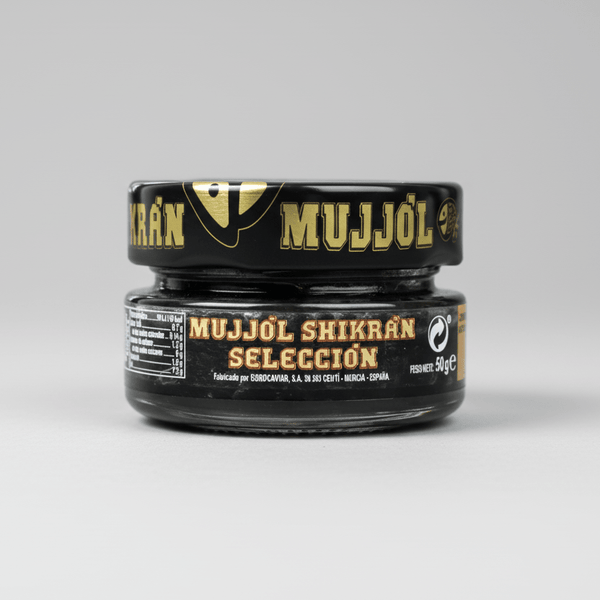
Summary: Caviar pairing has a specific technical logic that goes beyond etiquette. The drinks that work with caviar share a common structure of acidity, neutrality, and palate cleansing that allows each bite to start fresh. Those that don't work destroy caviar's aromatic profile through saturation or conflicting flavors. This guide explains which pairings work, which don't, and the logic behind each recommendation.
The Logic of Caviar Pairing: Why the Drink Matters
Caviar pairing is not a baseless etiquette protocol: it has a verifiable technical logic that directly affects what the diner perceives on the palate. Understanding this logic allows one to choose wisely among established options and explore new combinations with discernment.
Caviar has three characteristics that determine which drinks work with it and which do not:
Salinity: Caviar contains between 3% and 5% salt, which is its dominant flavor on initial impact. A drink that adds more salt—or has minerals that amplify the perception of salt—can overwhelm the palate. A drink with clean acidity "cuts" the salinity and allows the next bite to start fresh.
Secondary Aromatic Complexity: The nutty notes of Osetra, the creaminess of Beluga, and the intensity of Sevruga are delicate aromatic profiles that develop in the second and third acts of the bite. A drink with dominant aromas—wood, powerful tannins, perceptibly high alcohol—can mask these secondary notes before they develop.
Prolonged Aftertaste: Quality caviar has an aftertaste of 20-60 seconds. The accompanying drink should "cleanse" this aftertaste at the end of each bite—not cover it up beforehand—and prepare the palate for the next one. Drinks with a very persistent aftertaste of their own compete with caviar instead of complementing it.
With these three premises, the structure of drinks that work with caviar is always the same: high acidity, short or neutral aftertaste, minimal or no tannins, perceptible but not dominant alcohol.
Champagne with Caviar: The Classic and its Nuances
Champagne is the most documented and universally accepted pairing for caviar, and its logic has a solid technical foundation. However, not all champagnes work equally well—the designation encompasses everything from the most basic sparkling wine to the most complex prestige cuvée, and the differences matter.
Why Champagne Works
The dissolved CO2 in champagne has a mechanical effect on the palate: the carbon dioxide bubbles act as cleansing agents, removing the fats from the caviar that adhere to the taste buds and preparing each area for the next stimulus. This is the same reason why sparkling water works better than still water between bites of caviar.
The acidity of champagne—derived primarily from malic and lactic acid during the production process—balances the salinity of caviar in a way that no non-sparkling wine can. The combination of mechanical bubbles and chemical acidity gives champagne its unique effectiveness as a palate cleanser between bites of caviar.
Which Type of Champagne to Choose
Blanc de Blancs (100% Chardonnay): The most precise pairing. Chardonnay without oak aging has a mineral, citrusy, and high-acidity profile that specifically dialogues with the notes of caviar without adding competing flavors of its own. A Brut Nature Blanc de Blancs (without residual sugar) is the cleanest expression. Champagnes: Krug Clos du Mesnil, Billecart-Salmon Blanc de Blancs, or any recognized grower Blanc de Blancs.
Standard Brut NV: Works well with all types of caviar. The blend of grapes (Chardonnay, Pinot Noir, Pinot Meunier) gives a broader and less precise profile than Blanc de Blancs, but equally effective for palate cleansing.
Crémant d'Alsace or Quality Cava: For those who want the structure of sparkling wine at a lower cost. A good producer's Crémant d'Alsace—made primarily with Auxerrois and Pinot Blanc—has the correct acidity and neutrality for caviar at a fraction of the price of champagne. An artisanal producer's Cava Gran Reserva serves the same purpose.
Which Champagnes to Avoid with Caviar
Champagnes with high dosage (Demi-Sec, Doux) have residual sugar that amplifies the caviar's salinity instead of balancing it. Heavily toasted champagnes or those with a strong oak influence (certain Blanc de Noirs from the Montagne de Reims) have a too powerful flavor profile that competes with caviar.
Vodka with Caviar: The Caspian Tradition
Very cold vodka is the historical pairing for caviar in Caspian cultures—Russia, Iran, Azerbaijan—and it has a technical logic that Western protocol often unfairly ignores.
Why Vodka Works
Quality vodka—understood as grain or rye vodka distilled and filtered to almost complete organic neutrality—has the cleanest aromatic profile of any alcoholic beverage. Unlike wine or champagne, vodka adds no secondary aromas that compete with caviar. Its only organoleptic contribution is alcohol (which is perceived less aggressively at -18 degrees) and an extremely effective palate-cleansing sensation.
The serving temperature of vodka—between -15 and -18 degrees—is key. At that temperature, the deep cold sensation produced by vodka upon contact with the palate completely "resets" perception, preparing each area of the palate for the next bite of caviar as if it were the first. This palate-resetting effect is what makes very cold vodka one of the best pairing options for long tasting sessions.
Which Vodka to Choose
Polish Rye Vodka: Belvedere or Zubrowka (without the bison grass for this use) have the most neutral profile and highest distillation quality for caviar pairing.
Russian Rye and Wheat Vodka: The historical Caspian tradition. Stolichnaya Elite or equivalents with multiple distillations have the correct neutrality.
Craft Grain Vodka: Some European craft vodkas—especially those labeled "clean" or "pure grain"—have a superior organoleptic quality to large industrial brands and work exceptionally well with caviar.
The volume of vodka per glass with caviar is small—between 30 and 45ml per shot—served in a thick-bottomed shot glass kept in the freezer until serving.
White Wine with Caviar: What Works and What Doesn't
Still white wine works with caviar under certain conditions, albeit with less effectiveness than champagne or vodka in terms of palate cleansing. The options that work have in common: high acidity, absence of oak, pronounced minerals, medium body.
Chablis Premier Cru or Grand Cru: Burgundian Chardonnay without oak, grown on Kimmeridgian soils (limestone and fossilized oysters), has a mineral and iodine profile that dialogues uniquely with caviar. The flint ("silex") notes, high acidity, and absence of lactic aromas give Grand Cru Chablis the correct structure for Osetra and Sevruga especially.
Sancerre or Pouilly-Fumé (Loire Valley Sauvignon Blanc): The extremely high acidity and flint notes of Loire Sauvignon Blanc work very well with Sevruga—the most intense caviar—where its distinct character can hold its own against the drink.
Dry Riesling Spätlese Auslese from Germany or Alsace: High-quality Riesling has an acidity and minerality that complement caviar, with the added advantage of a petrol and ripe citrus profile that connects well with the notes of Osetra.
White Wines that Don't Work with Caviar
White wines with a lot of oak (California Chardonnay or oaked Rioja Blanco) have vanilla, toasted, and lactic notes that mask the caviar's profile. Wines with residual sugar (Riesling Halbtrocken, late harvest Gewürztraminer) unpleasantly amplify the caviar's salinity. Sauvignon Blanc with very herbaceous or vegetal notes competes with caviar instead of complementing it.
Sake with Caviar: The 21st-Century Pairing
The sake-caviar pairing is not new: high-end Japanese restaurants have been practicing it since the 1980s. But in Europe, it still surprises those who haven't explored the world of quality sake.
Junmai Daiginjo—the highest quality sake, made with rice polished to at least 50% and no added alcohol—has an aromatic profile of white fruits and flowers with an umami and mineral background that is complementary to caviar in a way that no European wine can exactly replicate. The absence of tannins, the gentle but present acidity, and the clean aftertaste make Junmai Daiginjo one of the best options specifically for Osetra, whose nutty notes dialogue with the rice aromas of sake.
The serving temperature for sake paired with caviar is between 8 and 12 degrees—slightly colder than usual to enhance its freshness and acidity. A tulip glass or standard white wine glass works better than the traditional Japanese cup for this use.
Non-Alcoholic Options that Work
For those who don't consume alcohol, the best alternatives that work with caviar share the same logic as alcoholic pairings: acidity, bubbles, neutrality.
Very Cold Sparkling Mineral Water: The simplest and most effective option. The bubbles cleanse the palate mechanically, similar to champagne. Prefer mineral water with gentle carbonation—Perrier, Badoit, San Pellegrino—over heavily carbonated water, which can irritate.
Mild-Flavored Kombucha: Quality kombucha, well-made and without strong added flavors, has natural acidity and bubbles that work surprisingly well with caviar. Stick to kombuchas with correct fermentation and clean flavor—no intense fruit flavors.
Cold Japanese Green Tea (Gyokuro or Premium Sencha): High-quality green tea, prepared and served at 5-8 degrees Celsius, has a combination of natural umami, gentle acidity, and structured bitterness that complements caviar in a less conventional but equally effective way.
Pairings that Don't Work (and Why)
The list of what doesn't work is as useful as what does work to avoid mistakes that destroy the experience:
Red Wine: The tannins in red wine interact with the proteins in caviar in a way that produces metallic and astringent sensations on the palate. This is the most frequently cited incorrect pairing by industry professionals. Any red wine, regardless of its quality, is a bad choice with caviar.
Beer: The bitterness of hops and the aromas from beer fermentation directly compete with the caviar's profile. Beer covers the caviar's flavor instead of complementing it. Only some very mild wheat beers might marginally work, but as a general rule, beer and caviar are not compatible.
Rosé Wine: Rosé wines combine the acidity of white wine with some of the tannins and fruits of red wine, giving them some of the virtues of white but adding the problem of rosé tannins interfering with caviar.
Fruit Juices or Sugary Drinks: The combination of sugar and the salt in caviar creates an unbalanced experience. Sugar amplifies the caviar's salinity, making the aftertaste metallic and unpleasant.
Whisky, Cognac, or any barrel-aged spirit: The woody, vanilla, and caramel aromas of aged spirits are too powerful for caviar. They work as a digestif after caviar, not as a simultaneous pairing.
Pairing by Caviar Type: Beluga, Osetra, Sevruga
The flavor differences among the three classic types of Caspian caviar open up nuances in optimal pairings:
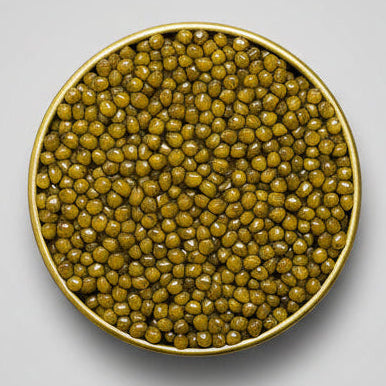
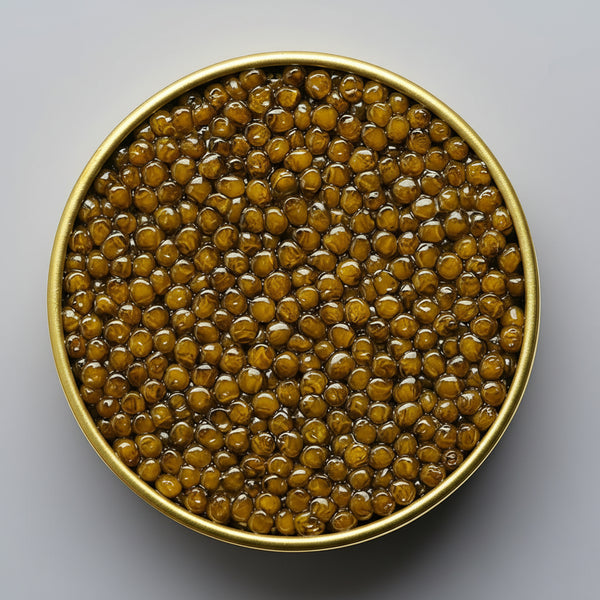
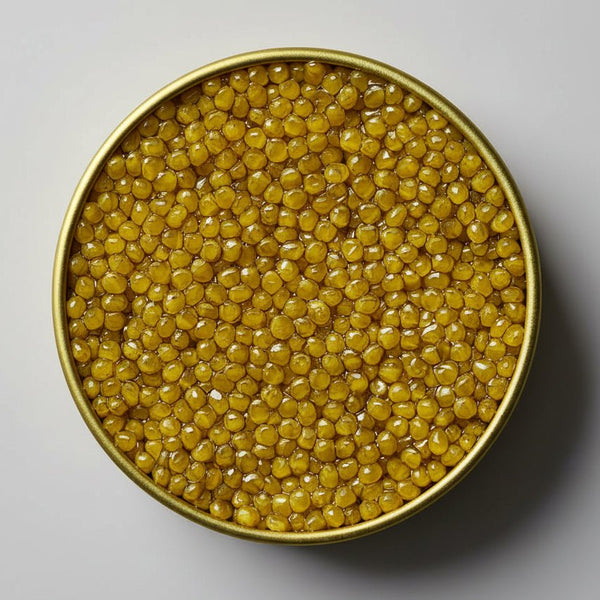
Beluga—the creamiest and smoothest—especially benefits from pairing with Blanc de Blancs or Brut Nature Champagne. Its smoothness needs a drink that won't overpower it. Very cold vodka also works perfectly. Avoid powerful Chablis or distinct Riesling, which can overwhelm the subtlety of Beluga.
Osetra—the most complex, with nutty notes—works with the widest range of pairings: Blanc de Blancs, Chablis Grand Cru, dry Riesling Spätlese, Junmai Daiginjo, vodka. Its character is robust enough to accompany drinks with their own personality without being overshadowed.
Sevruga—the most intense and iodized—can be paired with drinks of greater structure: Sancerre, Pouilly-Fumé, Chablis with pronounced minerals. Its intensity can handle the character of these wines. Champagne still works but may seem "too light" for those who enjoy the power of Sevruga.
Solid Accompaniments: Blinis, Toasts, Cream
Caviar pairing isn't just about the drink—solid accompaniments are an integral part of the experience, and their selection follows the same logic as drinks: neutrality, palate cleansing, complement without competition.
Warm Buckwheat Blinis: The classic Russian and Iranian accompaniment par excellence. Buckwheat has a slightly bitter and earthy flavor that contrasts with the caviar's salinity without competing. The spongy texture of properly made blinis acts as a vehicle, providing neutral carbohydrates and creating the correct emulsion with the caviar's fat in the mouth.
Thin Toasted Brioche: The most accessible alternative and one of the best. Brioche has a gently sweet and buttery flavor profile that complements the creaminess of Beluga especially well. Thinly toasted—not so crispy that it breaks when bitten—so the diner can control the amount of caviar without losing it.
Creme fraiche or sour cream: the fat and mild acidity of the cream are the perfect buffer between the bread and the caviar. A thin layer — no more volume than the caviar itself — prevents the bread from absorbing the caviar directly and creates a texture that prolongs the experience of the bite.
Plain steamed potato: the classic French combination. The pure starch of a steamed potato, without added salt or oil, is the most neutral vehicle possible for caviar and the one that best allows the product to be appreciated on its own in a solid combination.
What to avoid: lemon (masks the caviar), cheese (overpowers the caviar with its own intense dairy flavors), cured meats or cold cuts (flavor profile too powerful and fat of a different nature).
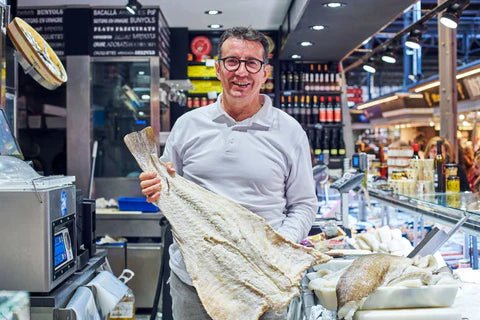
Premium Seafood Products — Bacalalo
Since 1990, selecting the best from the sea at Mercat del Ninot, Barcelona. Refrigerated delivery in 24-48h.
View Caspian caviar →🛒 Products mentioned in this article
⭐ 4.9/5 · Cold shipping 24-48h · Since 1990 in Mercat del Ninot
Frequently asked questions about caviar pairing
Is champagne mandatory with caviar?
No. Champagne is the best-known pairing and has solid technical logic, but very cold vodka, Chablis Grand Cru, quality Junmai Daiginjo, and very cold sparkling water are equally valid alternatives — in some cases superior — depending on the type of caviar and the diner's preferences. The champagne "protocol" is a convention of Western gastronomy, not a technical necessity.
Which champagne is best with caviar?
For precise pairing with caviar, Blanc de Blancs Brut Nature (no residual sugar, 100% Chardonnay) is the most technical choice. For a celebration where champagne is as prominent as caviar, a prestige cuvée from a great house (Dom Pérignon, Krug, Salon, Cristal) combines the exceptional champagne experience with caviar of equal level. For practical everyday use, a good producer's Crémant d'Alsace at a lower price serves the purpose with equal effectiveness.
Can red wine work with caviar?
Generally speaking, no. The tannins in red wine interact with the proteins in caviar, resulting in metallic flavors and astringent sensations that mask the caviar's profile. Some sommeliers experiment with low-extraction Pinot Noir (Grand Cru Burgundy with very soft tannins) but these are professional tasting experiments — not recommendations for consumers who want to properly enjoy caviar.
How much vodka is served with caviar?
The traditional ratio is one measure of vodka (30-45ml) for every 5-8g of caviar. Vodka is served in a thick-glass shot glass, taken from the freezer just before serving. It is not "paired" simultaneously with biting the caviar: take a bite of caviar, allow the initial flavor to develop (10-15 seconds), and then take a shot of vodka to cleanse the palate. It is an alternation of product and cleansing, not a simultaneous combination.
Does mineral water work with caviar?
Cold sparkling mineral water is the best non-alcoholic option to accompany caviar. The bubbles mechanically cleanse the palate in a similar way to champagne. Still water works less well for this use because it lacks the mechanical cleansing effect. The temperature should be similar to that of the caviar — very cold, between 4 and 8 degrees — so as not to create an unpleasant thermal contrast.
Discover our premium selection
Seafood products carefully selected since 1990 at Mercat del Ninot, Barcelona. Refrigerated delivery in 24-48h.