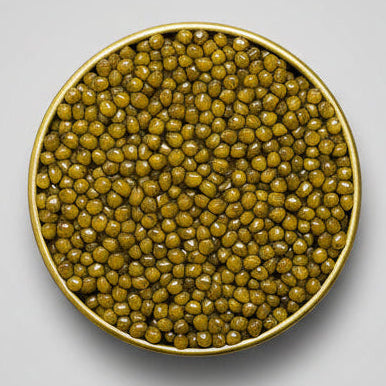
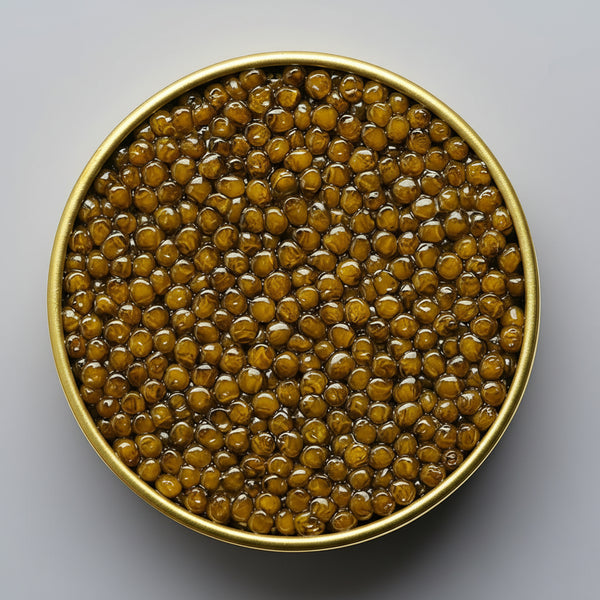
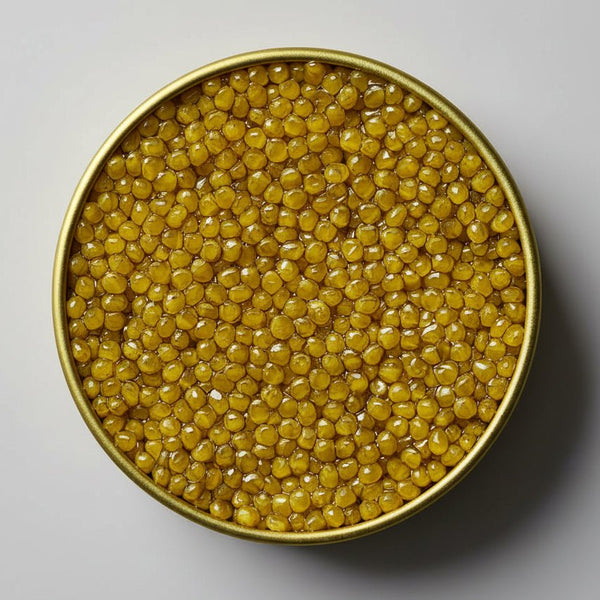
In short: "Lemon caviar" is NOT caviar: it's the Australian fruit Citrus australasica (finger lime). Crispy citrus pearls used in sushi, oysters, salads, and cocktails. It complements real caviar, it does not replace it.
Table of contents
What exactly is "lemon caviar"
Lemon caviar, also known as finger lime, is the fruit of the Citrus australasica tree, a wild citrus variety native to eastern Australia. The fruit is elongated (finger-shaped), green to red depending on the variety, and when opened, it reveals an interior filled with small, translucent liquid pearls.
These pearls are the pulp: small, juice-filled vesicles that burst when bitten. It has no relation to fish caviar. The name is commercial.
Origin and cultivation
Finger lime grows wild in rainforests of eastern Australia, mainly Queensland and New South Wales. Aboriginal communities traditionally consumed it, but its arrival in the gourmet world is recent (2000s).
Today it is also cultivated in California, Sicily (Italy), Morocco, and some areas of southeastern Spain. Global production remains limited due to cultivation difficulties (thorny tree, sensitive to cold, manual harvesting). Hence the price: €80-150/kg.
What it tastes like and how to distinguish it
Flavor: concentrated lime with a citrus burst. More intense than a regular lemon, with notes of grapefruit, eucalyptus, and minerality. The acidity is high but clean, without bitterness.
Texture: crunchy pearls that "pop" when bitten, similar to real caviar but firmer. Each pearl measures 2-4 mm.
Color according to variety: green-yellow (most common), red (Blood), pink (Red Centre), purple. All with similar flavor; the difference is aesthetic.
Professional culinary uses
Raw fish: sushi nigiri, salmon or tuna tartare, Peruvian ceviche. It adds crunchy acidity where liquid lemon would be too aggressive.
Oysters and seafood: on an opened oyster, on raw langoustine, on shrimp carpaccio. It enhances the oceanic flavor without masking it.
Salads: green salads with citrus vinaigrette, exotic fruit salads, green tomato gazpachos.
Desserts: sorbets, pavlova, fruit mousses, cheesecakes.
Cocktails: gin and tonic with premium tonic, vodka tonic, signature mojito. They serve as a "living garnish."
Lemon caviar vs. real caviar: when to choose each
They are completely different products:
Real caviar: oceanic umami, creaminess, salty depth. Expensive (€50-300/100g). Accompanies dishes where the bite should be dense and rich.
Lemon caviar: crunchy acidity, citrus freshness, lightness. Expensive but more accessible (€10-15/fruit). Accompanies dishes where the bite should be fresh and "wake up" the palate.
They can complement each other in the same dish: oysters with caviar + finger lime is a star chef's combination.
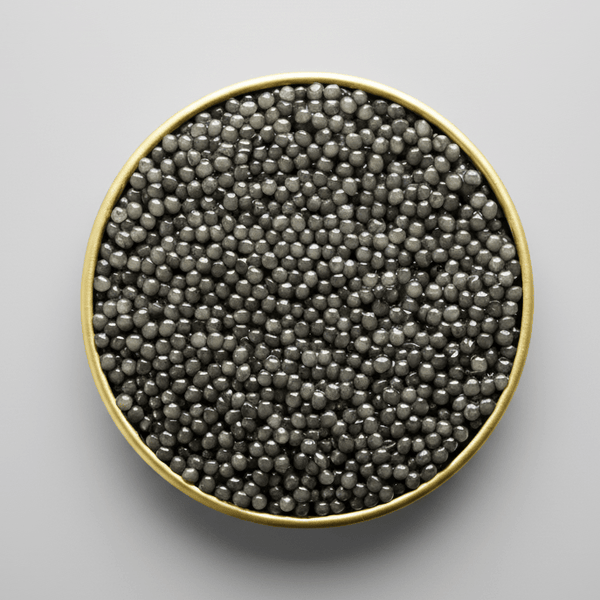
Real Caspian Caviar
If you want real caviar (sturgeon roe, not fruit): Osetra, Beluga, Sevruga imported from the Caspian Sea. Gourmet quality with refrigerated shipping.
Frequently asked questions
Is lemon caviar real caviar?
Why is it called lemon caviar if it's not caviar?
What does it taste like?
How much does lemon caviar cost?
What dishes is it used for?
Lemon caviar vs. real caviar: which one to use?
How is it stored?
To conclude
Lemon caviar is a useful ingredient for chefs who want to add a crunchy citrus touch to their dishes. But confusing it with real caviar is a beginner's mistake: they are different products for different uses. If you want the real caviar, look for Caspian sturgeon.
Shikran Caviar: premium real caviar
Top quality Shikran Caviar. The authentic gourmet option for dishes where caviar is the star.