


Summary: Cod cannelloni is a recipe with deep roots in Catalan tradition, especially linked to Christmas and Sant Esteve holidays. This dish combines fresh pasta sheets filled with flaked cod and sofrito, covered with a creamy béchamel sauce and baked until golden brown. We explain step-by-step how to achieve perfect cannelloni, with professional tips for the filling, béchamel, and gratin.
Table of contents
History of Cannelloni in Catalan Tradition
Cannelloni is, without a doubt, one of the most emblematic dishes of Catalan cuisine. Although its origin is Italian — Neapolitan cannelloni — Catalonia adopted it as its own in the 19th century, when the influence of Italian cuisine arrived in Barcelona through Mediterranean trade and Italian chefs who settled in the city.
What makes Catalan cannelloni unique is its connection to the festival of Sant Esteve (December 26). According to tradition, Sant Esteve cannelloni were prepared using leftovers from the Christmas stew or escudella: cooked meat was minced, mixed with sofrito, and wrapped in pasta sheets. It was the perfect zero-waste recipe, elevated to the category of a festive dish.
Over time, Catalan cannelloni evolved beyond meat filling. Cod cannelloni represent an equally traditional variant, especially popular during Lent and vigils, when the Church prohibited the consumption of meat. Salted cod, the quintessential preserved food, became the natural protagonist of these vigil cannelloni.
At Mercat del Ninot in Barcelona, we have been selling first-quality Icelandic cod since 1990. We have seen generations of Catalan families buy flaked cod to prepare their Christmas cannelloni, and we know first-hand the secrets that make this dish go from good to extraordinary.
Today, cod cannelloni are prepared all year round, not just at Christmas. They are a comforting, creamy, and flavorful dish that works equally well for a family meal or a dinner with guests. The key lies in three elements: a well-executed cod filling, a silky béchamel, and a perfect gratin.
Ingredients for Cod Cannelloni
For 4-6 people (20-24 cannelloni)
For the pasta sheets
- 20-24 cannelloni sheets (dry sheets or fresh pasta)
- Plenty of salted water for cooking
- 1 tablespoon olive oil for the cooking water
For the cod filling
- 500 g dry flaked cod (desalted) or cod flakes
- 1 large onion, finely chopped
- 3 cloves garlic, finely minced
- 2 ripe tomatoes, grated
- 100 ml liquid cooking cream (35% fat)
- 50 g cream cheese (Philadelphia type, optional)
- Fresh parsley, chopped
- Ground black pepper
- Nutmeg (a pinch)
- Extra virgin olive oil
For the béchamel
- 80 g butter
- 80 g flour
- 1 liter whole milk (room temperature)
- Salt, white pepper, and nutmeg
For gratinating
- 100 g grated Gruyère or Emmental cheese
- 30 g butter in small pieces
Related Bacalao Products

How to Prepare the Cod Filling
Step 1: Desalting the cod
If you are using dry flaked cod, you need to desalt it beforehand. Place the cod flakes in a large bowl with cold water in the refrigerator for 24-36 hours, changing the water every 8 hours (at least 3 changes). Flaked cod desalts faster than whole pieces, but it still needs time.
To check if it's ready, taste a small piece: it should have a slightly salty, pleasant taste, without being excessively salty. Well-desalted cod is the base for balanced cannelloni. If it's too salty, the béchamel won't compensate for the excess.
Step 2: Cooking the cod
Drain the desalted cod well and pat it dry with paper towels. In a large skillet, heat 3 tablespoons of olive oil over medium heat. Add the chopped onion and sauté for 10-12 minutes until transparent and lightly golden. Add the minced garlic and cook for 2 more minutes, making sure it doesn't burn.
Stir in the grated tomato and cook for 8-10 minutes until the sofrito darkens and loses its acidity. This sofrito is the base of the Catalan flavor: onion, garlic, and tomato cooked with patience.
Add the flaked cod to the sofrito and cook for 5-7 minutes over medium heat, stirring with a wooden spoon. The cod will break down into fine strands, integrating with the sofrito. Do not overcook it — it should remain juicy, not dry.
Step 3: Making the filling creamy
Remove the pan from the heat and add the liquid cream and cream cheese (if using). Mix well until you get a creamy but consistent filling — it should not be liquid, as the cannelloni would open during baking. Add the chopped parsley, black pepper, and a pinch of nutmeg.
Adjust the salt carefully: remember that cod already adds saltiness, and the béchamel will also be seasoned. Let the filling cool completely before assembling the cannelloni — a hot filling will soften the pasta sheets and make rolling difficult.
Perfect Béchamel Recipe for Cannelloni
Béchamel is the soul of Catalan cannelloni. A mediocre béchamel ruins even the best filling. Here's the technique for an impeccable béchamel.
Step 1: Making the roux
Melt the butter in a thick-bottomed saucepan over medium-low heat. When completely melted (without bubbling or browning), add all the flour at once. Stir constantly with a whisk for 2-3 minutes. The roux should be cooked until it loses its raw flour smell and acquires a light golden color. This step is crucial: a raw roux will give a floury taste to the final béchamel.
Step 2: Incorporating the milk
Remove the saucepan from the heat. Add one-third of the milk (at room temperature, never cold from the fridge) all at once and whisk vigorously. At first, it will look lumpy, but keep whisking — it will fully integrate. Return to medium-low heat and add the rest of the milk in two more batches, always whisking.
The key to avoiding lumps is: lukewarm milk + constant whisking + not too high heat. If lumps still form, strain the béchamel through a fine-mesh sieve — no one will know.
Step 3: Cooking and flavoring
Cook the béchamel over medium-low heat for 10-15 minutes, stirring frequently with a whisk or wooden spoon. The béchamel is ready when it coats the back of the spoon and leaves a clear path when you run your finger through it. Season with salt, white pepper, and nutmeg.
For cannelloni, you need a semi-thick béchamel: not so liquid that it runs off, nor so thick that it doesn't flow. It will thicken more as it cools, so leave it a bit looser than you think necessary. Cover it with plastic wrap directly touching the surface to prevent a skin from forming.
Assembling and Baking the Cannelloni
Step 1: Cooking the pasta sheets
Bring plenty of salted water to a boil in a large pot. Add a tablespoon of olive oil to prevent sticking. Cook the pasta sheets according to package instructions (usually 4-6 minutes for dry pasta, 1-2 for fresh). They should be al dente — they will finish cooking in the oven.
Carefully remove the sheets with a slotted spoon and spread them out on a damp kitchen towel without overlapping. If they stick, it's a disaster — it's better to cook them in batches of 4-5 sheets than to put them all in at once.
Step 2: Filling and rolling
Place a pasta sheet on your work surface. Put a generous spoonful of cod filling at the end closest to you and roll the sheet into a cylinder. Don't press too hard — the cannelloni should be firm but not compressed, so that the béchamel can penetrate at the ends.
Arrange the cannelloni in an oven dish greased with a little butter, side by side, with the seam facing down so they don't open. They should be snug but not squashed.
Step 3: Covering with béchamel and gratinating
Pour the béchamel evenly over the cannelloni, making sure they are completely covered. Don't leave any gaps — uncovered pasta will dry out in the oven. Sprinkle the grated cheese on top and distribute the butter pieces.
Bake at 200°C (390°F) with top and bottom heat for 20-25 minutes, until the surface is golden and bubbling. If it browns too quickly, cover with aluminum foil for the first 15 minutes and remove it at the end to gratin.
Let the cannelloni rest for 5-10 minutes before serving. This allows them to set and the béchamel to thicken slightly, making them easier to serve and improving the texture.
Related Bacalao Products
Professional-Level Cannelloni Tips
These are the secrets that differentiate homemade cannelloni from exceptional cannelloni:
- Cold filling, always: Fill the cannelloni with the mixture completely cold. A hot filling softens the pasta and makes rolling difficult.
- Long sofrito: The secret to Catalan flavor lies in a patiently cooked sofrito. At least 20 minutes for the onion and 10 for the tomato. Haste is the enemy of good sofrito.
- Double layer of béchamel: Put a thin layer of béchamel at the bottom of the dish before placing the cannelloni. This prevents them from sticking and adds extra creaminess underneath.
- Gruyère cheese, not mozzarella: For gratinating Catalan cannelloni, the ideal cheese is Gruyère or Emmental. Mozzarella melts well but doesn't gratinate with the crispy, golden crust we're looking for.
- Prepare the day before: Cannelloni gain flavor if assembled the day before and gratinéed just before serving. The béchamel penetrates the pasta, and the result is more cohesive.
- Nutmeg in moderation: Both in the filling and in the béchamel, nutmeg should be subtle — too much masks the flavor of the cod.
- Fresh vs. dry pasta: Fresh pasta gives a finer result, but dry pasta is more practical and, when cooked well, perfectly valid. If using fresh pasta, reduce baking time by 5 minutes.
Variations of Cod Cannelloni
Cod cannelloni with spinach
A classic variation that adds 200 g of sautéed fresh spinach to the cod filling. Spinach adds color, freshness, and a vegetal counterpoint to the intense flavor of the cod. Sauté it beforehand with a clove of garlic, drain it well (spinach releases a lot of water), and chop it roughly before mixing it with the filling.
Cod cannelloni with piquillo peppers
Roasted piquillo peppers, cut into thin strips, are a perfect accompaniment to cod. You can add them to the filling or place a strip of piquillo on each pasta sheet before rolling, creating a beautiful color contrast when cutting the cannelloni.
Cod cannelloni with samfaina
Samfaina (Catalan ratatouille with eggplant, zucchini, bell pepper, and tomato) replaces the traditional sofrito as the base of the filling. It's a more summery and lighter variation, ideal for warmer months. The samfaina should be well cooked and drained so that the filling isn't too moist.
Cod cannelloni with brandade
Cod brandade (cod emulsified with olive oil and milk) is used directly as the filling. The result is creamier and more delicate, with a purer cod flavor. This variation is popular in the Girona regions, where the French influence of brandade is stronger.
Frequently Asked Questions
Can I prepare cod cannelloni in advance?
Yes, and it's actually recommended. You can assemble the complete cannelloni (with béchamel and cheese) the day before, cover them with plastic wrap, and refrigerate. The next day, take them out 30 minutes before baking to let them warm up. The result is even better because the béchamel penetrates the pasta and the flavors meld together.
Can cod cannelloni be frozen?
Yes, cannelloni freeze very well. Assemble them in the dish with the béchamel but without the grated cheese. Cover with plastic wrap and freeze for up to 3 months. To serve, thaw in the refrigerator for 24 hours, add the cheese, and bake directly, adding 10 extra minutes of cooking time to the usual amount.
What type of cod is best for cannelloni?
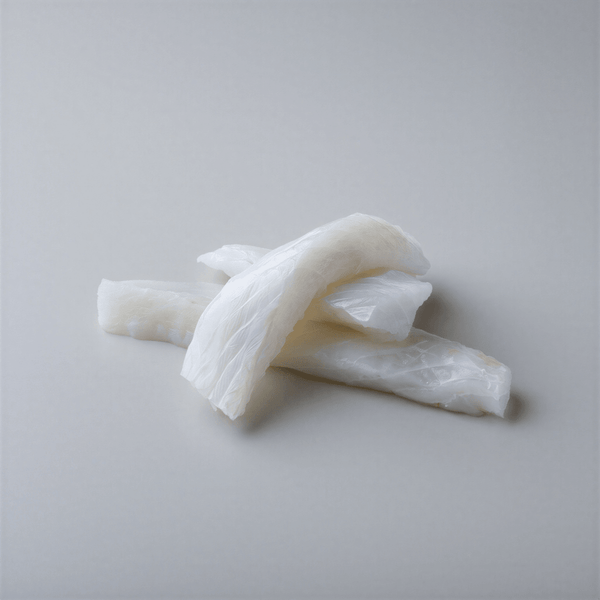
Dry flaked cod is ideal because it's already cut into perfect flakes for the filling and easily integrates with the sofrito. Premium cod flakes also work well. The important thing is that it's quality Icelandic cod, which has a firmer texture and cleaner flavor than cod from other origins.
How many pasta sheets do I need per person?
Allow 4-5 cannelloni per person as a main course, or 3 cannelloni if it's a starter. For 6 people as a main course, you'll need about 24-30 sheets. It's better to have too many than too few — leftover cannelloni keep perfectly in the refrigerator for 2-3 days.
Can I use homemade fresh pasta for cannelloni?
Of course, homemade fresh pasta gives the best results. Prepare a basic dough with 300 g of flour, 3 eggs, and a pinch of salt. Roll it out very thin with a rolling pin or pasta machine and cut rectangles about 12x10 cm. Boil them for only 30 seconds in boiling water before filling.
Why are cannelloni eaten on Sant Esteve in Catalonia?
The tradition of eating cannelloni on December 26 (Sant Esteve) comes from the Catalan custom of using the leftovers from the escudella i carn d'olla from Christmas. The cooked meat was minced and used as a filling for the cannelloni. Over time, it became a festive dish in its own right, and today it is prepared with various fillings such as cod, spinach, meat, or mushrooms.
How do I prevent lumps in the béchamel?
Three keys: use room temperature milk (never cold), add it in three batches, whisking vigorously between each addition, and cook over medium-low heat. If lumps still form, strain the béchamel through a fine-mesh sieve. Another trick is to remove the saucepan from the heat when adding each batch of milk.
Conclusion
Cod cannelloni is a dish that connects tradition, technique, and quality produce. Born from the need to make the most of ingredients and the creativity of Catalan cuisine, it has become a classic that transcends holidays to become part of many families' everyday repertoire.
The key to great cannelloni lies in the sum of small details: well-desalted cod, a patiently cooked sofrito, a lump-free béchamel, and a golden, crispy gratin. There are no shortcuts, but the result justifies every minute of dedication. Good flaked cod from Iceland makes all the difference — its firm texture and clean flavor elevate the filling from good to memorable.
Go ahead and prepare them in advance, try some of the variations we suggest, and most importantly, share them with good company. Because cannelloni, in Catalonia, is not just a dish: it is a family ritual that brings generations together around the table.
Discover more




![Bacalao en Mercadona: Precio, Variedades y Alternativas Especializadas [2026] - Bacalalo](http://bacalalo.com/cdn/shop/articles/bacalao-en-mercadona-precio-variedades-y-alternativas-especializadas-2026-4823871.jpg?v=1772955440&width=480)

