Summary: Arguiñano-style brandade of cod is a creamy spread made from shredded cod, cooked potato, and olive oil, whipped until it achieves a silky, melt-in-your-mouth texture. Karlos Arguiñano's version is the most popular in Spain: simple, with few ingredients, and a result that works both as an elegant starter and as a spread for toasts with friends.
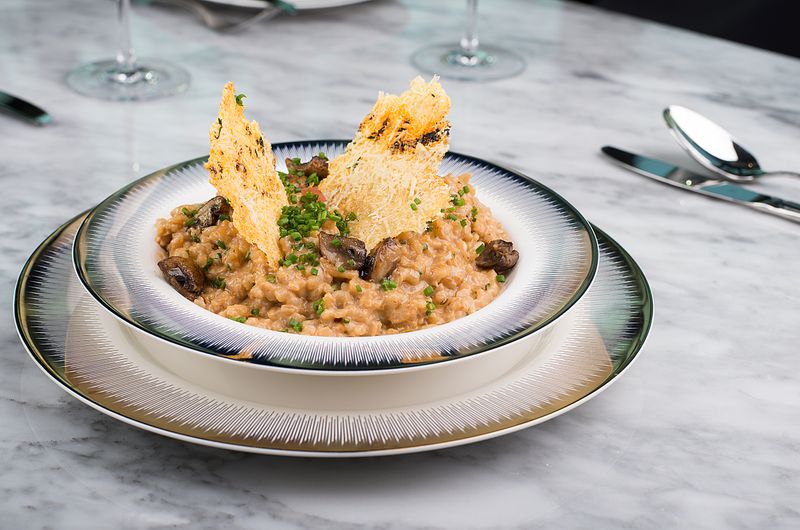
What is cod brandade?
Brandade (from the French brandade, meaning "shaken" or "stirred") is a preparation of shredded cod mixed with olive oil until it forms a creamy, smooth purée. Originating from the city of Nîmes, in the south of France, brandade crossed the Pyrenees centuries ago and settled in Spanish cuisine with its own unique character.
In Spain, brandade almost always includes potato — something that French purists consider heresy, as the original brandade de morue does not contain it. But the reality is that potato adds body, softens the flavor, and makes the dish more economical and filling. It's one of those adaptations that improves upon the original.
The name comes from the action of "brandar" or shaking: the cod is shredded with a fork or in a mortar while olive oil is added little by little, as if making mayonnaise. The result is a cream that can be served cold (as a pâté), warm (as a side dish), or hot and gratinéed.
Arguiñano-style brandade
Karlos Arguiñano has prepared cod brandade so many times on his Antena 3 show that his version has become the standard for most Spanish households. What distinguishes his brandade:
- Potato as a base: Arguiñano doesn't conceive of brandade without potato. The ideal ratio is 1:1 — the same amount of cod as cooked potato.
- Olive oil in a stream: the oil is added little by little while working the mixture, like making mayonnaise. This creates the emulsion that gives it the creamy texture.
- A touch of garlic: a clove of garlic confit in the oil, then incorporated into the mixture. It adds flavor without being aggressive.
- Warm milk: Arguiñano adds a splash of warm milk at the end to smooth the texture. It's his personal touch that makes a difference.
- No blender: Arguiñano works the brandade with a fork and wooden spoon. The final texture should have recognizable pieces of cod, not be a smooth purée.
This recipe is inspired by Karlos Arguiñano's technique and style. It is not a literal reproduction, but our interpretation based on his teachings and culinary philosophy.
Ingredients for 4 people
| Ingredient | Quantity |
|---|---|
| Shredded desalted cod | 400 g |
| Potatoes | 400 g (2 medium) |
| Extra virgin olive oil | 150 ml |
| Whole milk | 80 ml |
| Garlic | 2 cloves |
| White pepper | To taste |
| Nutmeg (optional) | A pinch |
Desalted cod for your brandade
Shreds and pieces of desalted cod ideal for brandade. Premium quality without paying for the loin cut.
See desalted codStep-by-step recipe: Arguiñano's brandade
Step 1 — Cook the potatoes. Peel the potatoes and cut them into medium pieces. Boil them in salted water for 20-25 minutes until tender when pierced with a knife. Drain them well and let them release steam — excess moisture ruins the brandade's texture.
Step 2 — Prepare the cod. If using whole cod, cook it briefly: place it in a saucepan with cold water, bring to a boil, and remove from heat. Let it rest for 10 minutes covered. The residual heat gently cooks the cod. Drain, remove skin and bones, and shred with a fork into thick flakes.
Step 3 — Confit the garlic. In a small saucepan, heat 50 ml of olive oil with the whole, crushed garlic cloves. Cook over very low heat for 5 minutes until the garlic is soft and golden. Remove the garlic and set aside. The oil is now infused.
Step 4 — Assemble the brandade. In a large bowl, mash the potatoes with a fork (do not use a blender). Add the shredded cod and the crushed confit garlic. Mix with a wooden spoon while adding the garlic oil in a thin stream, as if making mayonnaise. Gradually incorporate the rest of the oil (100 ml) while stirring continuously.
Step 5 — Adjust the texture. Heat the milk without letting it boil. Add it to the mixture little by little while stirring. The brandade should be creamy but with recognizable pieces of cod — not a smooth purée. Season with white pepper and a pinch of nutmeg if desired. Taste for salt (the cod already provides saltiness).
Step 6 — Serve. The brandade can be served warm directly, or placed in an oven-safe dish, sprinkled with breadcrumbs, and gratinéed for 5 minutes under the grill until the surface is golden and crispy.
5 tips for perfect texture
- Hot potato, room temperature oil: hot potato absorbs oil better, but if the oil is cold, the emulsion is more stable.
- Never use an electric blender: a blender turns the potato into an elastic and sticky paste (due to excess starch released). Only use a fork and wooden spoon.
- Oil in a stream, like mayonnaise: if you add all the oil at once, the mixture breaks and becomes greasy. The thin stream allows for gradual emulsification.
- Milk at the end: warm milk adjusts the consistency. If the brandade is too thick, a little more milk will loosen it. If it's too liquid, don't add milk.
- Rest for 10 minutes: after assembling the brandade, let it rest covered for 10 minutes. The flavors will integrate and the texture will settle.
To learn how to properly desalt cod before preparing brandade, consult our complete guide to desalinating cod.
6 ways to serve brandade
Brandade is one of the most versatile dishes in cod cuisine. Here are ways to serve it:
- On toast: over toasted bread with a drizzle of olive oil and paprika. The perfect tapa.
- Gratinéed: in an oven dish with breadcrumbs and Parmesan cheese, 5 minutes under the grill.
- In vol-au-vent: inside baked puff pastry. An elegant starter for special dinners.
- As a pepper stuffing: Piquillo peppers stuffed with brandade, topped with pepper sauce. A Navarrese classic.
- In croquettes: cool the brandade, form into balls, bread, and fry. The best cod croquettes you'll ever taste.
- With poached egg: a base of warm brandade topped with a poached egg. When you break the yolk over the brandade, the dish is transformed.
French vs. Spanish Brandade
| Aspect | French (Nîmes) | Spanish (Arguiñano) |
|---|---|---|
| Potato | No | Yes, 1:1 ratio |
| Texture | Lighter, almost mousse | Denser, purée-like |
| Oil | More (pure emulsion) | Less (potato adds body) |
| Milk/Cream | Liquid cream | Whole milk |
| Serving | Always hot/gratinéed | Warm, cold or gratinéed |
Storage and batch cooking
Brandade is ideal for batch cooking. Here are the key storage tips:
- Refrigerator: In an airtight container, it lasts perfectly for 3-4 days. In fact, it improves after resting overnight as the flavors integrate.
- Freezer: It can be frozen for up to 2 months without losing quality. Thaw in the refrigerator 24 hours before use.
- Reheating: The best way is in a bain-marie or in the microwave at medium power with a spoonful of milk to restore creaminess.
- Prepare for the week: Make a large batch on Sunday. Use it for toasts on Monday, gratinéed on Tuesday, in stuffed peppers on Wednesday, and in croquettes on Thursday.
Nutritional values per serving
| Nutrient | Per serving |
|---|---|
| Calories | ~420 kcal |
| Protein | 28 g |
| Fats | 28 g |
| Carbohydrates | 18 g |
🛒 Products used in this recipe
⭐ 4.9/5 · Cold shipping 24-48h · Since 1990 at Mercat del Ninot
Conclusion
Arguiñano's cod brandade is the perfect demonstration that the most comforting dishes are the simplest. Cod, potato, olive oil, and a little milk. Nothing more. The magic lies in the whipping technique — that thread of oil that transforms humble ingredients into an addictive cream.
It's a dish that works in any context: as a tapa at a friends' gathering, as an elegant gratinéed starter for a dinner, or as a base for unforgettable croquettes. And the best part is that it improves with time in the refrigerator, so you can prepare it in advance.
For an exceptional brandade, the cod makes all the difference. At Bacalalo, we have quality desalted cod, perfect for brandade and any other preparation. Explore our collection.
Desalted cod for brandade
Premium quality, ready to flake and prepare your brandade.
Buy desalted codFrequently Asked Questions
Does brandade contain potato or not?
The Spanish version (including Arguiñano's) always includes potato. The original French version from Nîmes does not. Both are valid, but in Spain, brandade with potato is the norm and adds body and economy to the dish.
Can I use a blender for brandade?
It is not recommended. A blender releases too much starch from the potato and turns the mixture into an elastic, sticky paste. Always work with a fork and a wooden spoon. The texture should have recognizable pieces of cod.
How long does brandade last in the fridge?
3-4 days in an airtight container. In fact, it improves after resting overnight because the flavors integrate. It can be frozen for up to 2 months. Reheat in a double boiler or microwave on medium power with a splash of milk.
What is the correct ratio of cod to potato?
1:1 is the ideal ratio according to Arguiñano: the same amount of cod as cooked potato. If you prefer a stronger cod flavor, you can increase it to 1.5:1. Less than 1:1 and the brandade tastes more like mashed potato than cod.
Is brandade served cold or hot?
All three ways work. Warm is how Arguiñano usually serves it. Cold works as a paté on toast. Hot and au gratin is the most elegant version. Choose according to the occasion.
Can I make brandade without garlic?
Yes, but it loses an important layer of flavor. If you don't like raw garlic, confit it as indicated in the recipe: confit garlic is much milder and sweeter than raw. Most people who say they don't like garlic enjoy confit garlic.
What type of potato is best for brandade?
Floury potatoes (such as Kennebec or Monalisa). They absorb oil better and produce a creamier texture. Waxy potatoes (such as red varieties) result in a more granular texture. Kennebec is the type Arguiñano usually uses.
Is brandade the same as flaked cod?
No. Flaked cod is simply cod separated into flakes. Brandade is an emulsion prepared with oil and (in Spain) potato, which produces a cream or purée. The difference lies in the technique of emulsifying with oil.
Marc González Sáez
Since 1990 at Mercat del Ninot, Barcelona. We select cod and seafood products directly from the producer. It's not marketing — there are verifiable factors.