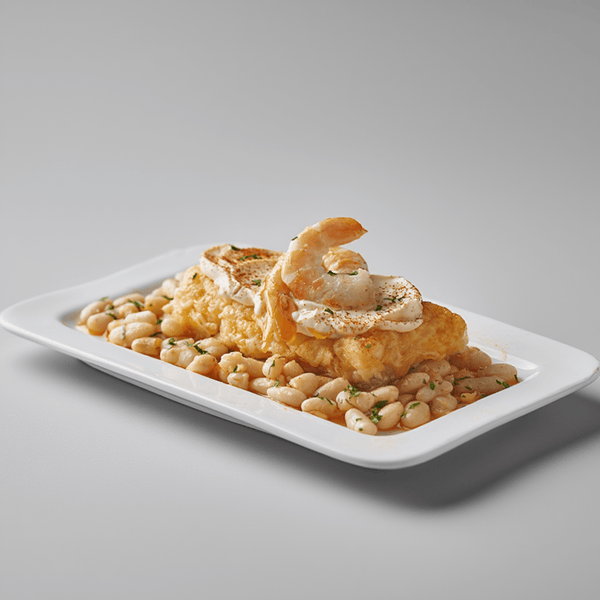
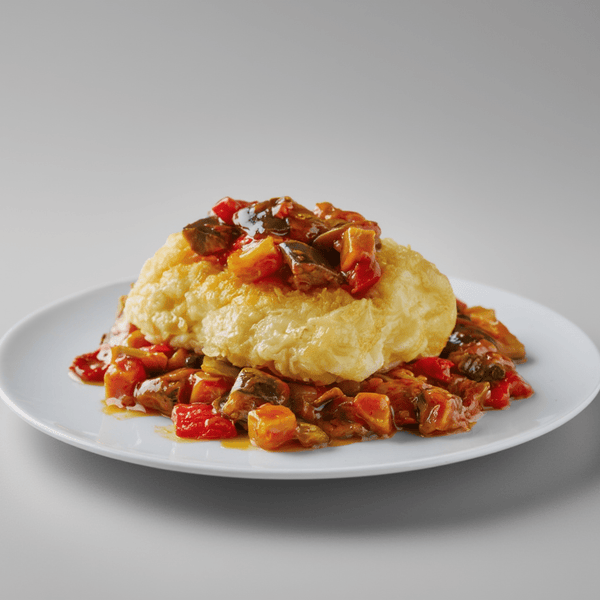
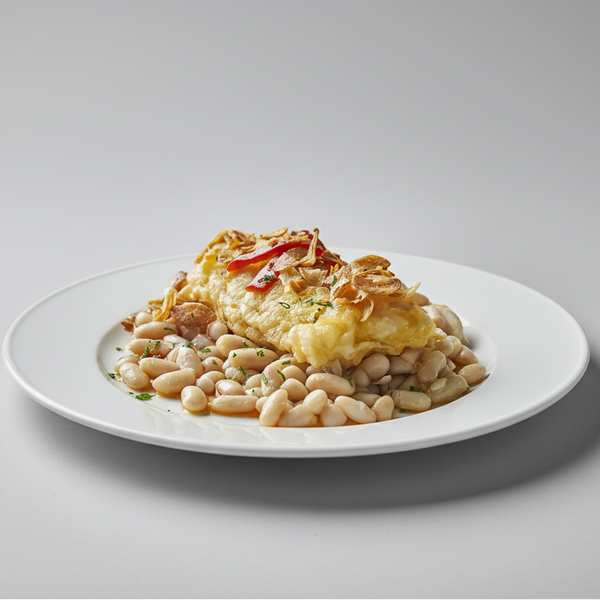
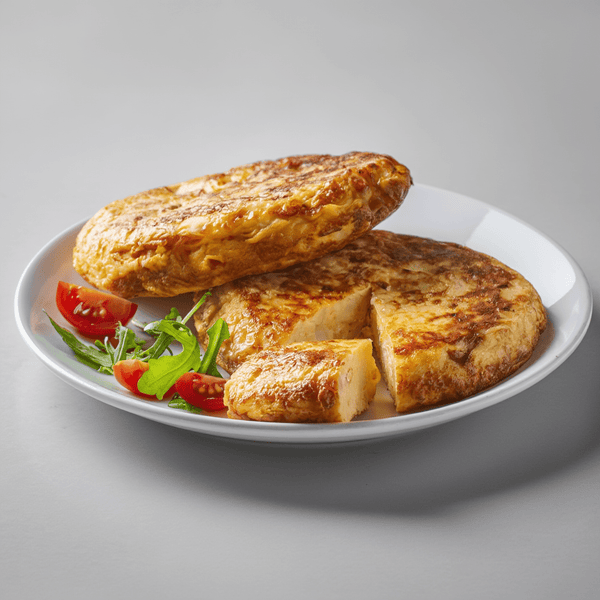
Summary: The Torres brothers' style brandade de bacalao (cod brandade) is an elevated version of the classic Provençal and Catalan dish. Flaked salt cod, confited in olive oil at a low temperature, blended with creamy potato, confit garlic, and a touch of lemon zest. It's served in individual ramekins with a gratinéed crust and potato chips for crispy texture. It's the same old brandade, but with technical details that turn it into a homemade Michelin-star dish. This recipe is inspired by the technique and style of the Torres brothers from Torres en la Cocina (TVE). It is not a literal reproduction, but our interpretation.
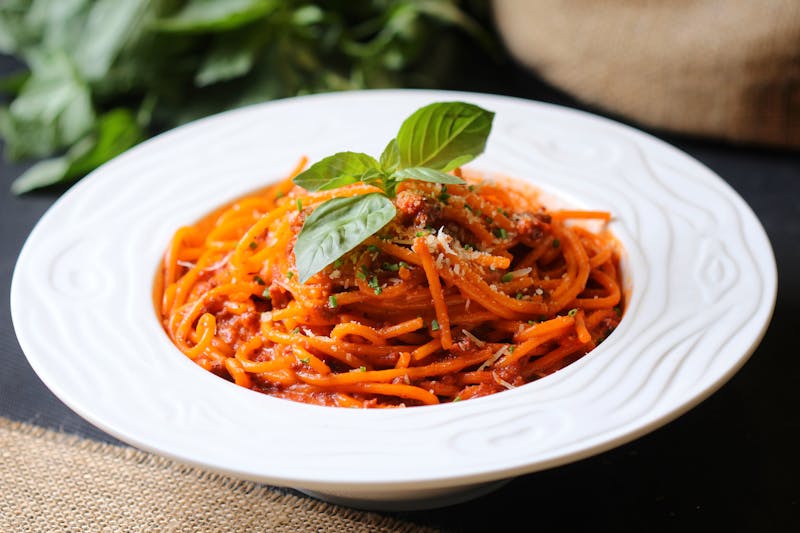
What is Brandade de Bacalao?
Brandade (from the Provençal brandade, meaning "what is stirred") is an emulsion of salt cod with olive oil and, in many versions, potato. It is a dish that belongs to both French Provençal tradition and Catalan cuisine, where it is known as brandada de bacallà.
The most purist version — from Nîmes, in the south of France — does not contain potato: it is only cod, olive oil, milk, and garlic, vigorously mixed until a white, smooth cream is obtained. The Catalan version and that of the rest of Spain usually incorporate cooked potato, which adds body and softens the flavor of the cod.
Historically, brandade was a dish for Lent and vigils, when the Church forbade the consumption of meat. Salt cod — easy to preserve and transport — was the star protein of these days. Brandade allowed a humble ingredient to be transformed into a creamy and comforting dish.
Today, brandade has transcended its modest origins to become a menu item in restaurants throughout Spain and France. In the hands of chefs like the Torres brothers, it takes on a new dimension without losing its essence.
The Torres version: what makes it different?
The Torres brothers treat brandade with the respect a classic deserves, but apply haute cuisine techniques that elevate the result. The key differences in their approach:
- Confit cod: instead of cooking the cod in water or milk (as is traditionally done), they confit it in olive oil at a low temperature (60-65 °C). This produces a juicier, silkier cod with a more concentrated flavor.
- Confit garlic: no raw or quickly sautéed garlic. The garlic is confited in oil until it is sweet and creamy, without aggressiveness. This eliminates the pungent flavor of raw garlic and provides a smoothness that integrates perfectly into the brandade.
- Potato in two textures: cooked potato incorporated into the brandade for the base creaminess, and fried potato chips as a topping for crunchy contrast.
- Citrus zest: a touch of lemon zest (only the yellow part, never the white) that provides freshness and cuts through the richness. It's a small detail that makes a big difference.
- Individual presentation: in gratinéed ramekins, with a golden surface that, when broken, reveals the cod cream underneath.
Ingredients for 4 people
| Ingredient | Quantity |
|---|---|
| Desalted cod (loins or flakes) | 400 g |
| Potatoes | 2 medium (~300 g) |
| Extra virgin olive oil | 200 ml (for confiting + assembling) |
| Whole milk | 100 ml |
| Garlic cloves | 4 cloves |
| Lemon zest | 1 lemon |
| White pepper | To taste |
| Fresh chives | For garnish |
| Breadcrumbs or Parmesan (for gratin) | 2 tablespoons |
Premium Desalted Cod for Brandade
Flakes or loins for shredding. Selected for maximum creaminess.
View Desalted Cod CollectionStep-by-step Recipe
Step 1 — Cook the potatoes. Peel the potatoes and boil them whole in salted water for 20-25 minutes until very tender. Drain and set aside.
Step 2 — Confit the garlic. In a small saucepan, place the 4 peeled whole garlic cloves with enough olive oil to cover them (~80 ml). Heat over very low heat for 15-20 minutes until the garlic is golden and soft. Set aside the garlic and oil separately.
Step 3 — Confit the cod. Dry the desalted cod loins. In a wide pan or shallow pot, pour 120 ml of olive oil. Heat over very low heat until the oil reaches 60-65 °C (a kitchen thermometer is ideal; if you don't have one, the oil should be warm to the touch but not smoking or bubbling). Place the cod in the oil and confit for 12-15 minutes at that temperature. The cod should be tender and juicy, cooked but not dry.
Step 4 — Flaking. Remove the cod from the oil (reserve this confit oil). Flake the cod with your hands or two forks, removing any bones or skin. The flakes should be irregular — we don't want a puree, but textured pieces.
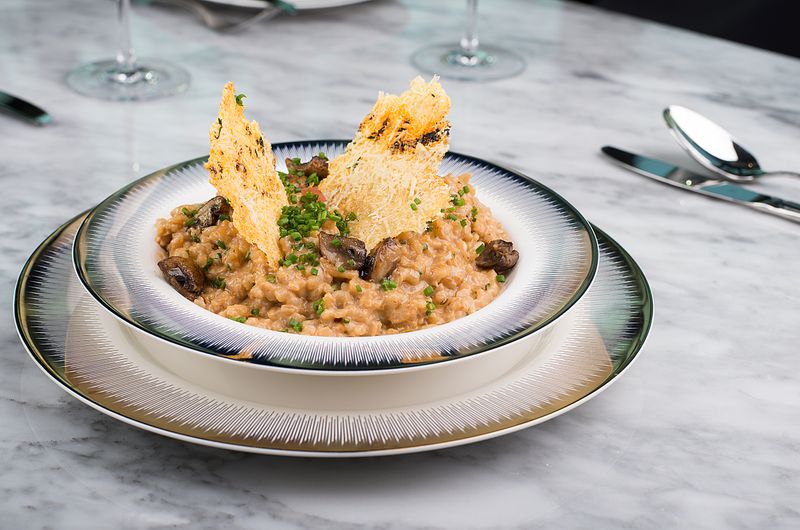
The Confit Technique: Why it Changes Everything
Confit cod in oil at a low temperature is the step that separates a homemade brandade from a restaurant brandade. The reasons are scientific:
- Texture: at 60-65 °C, the cod proteins coagulate slowly, producing a silky and juicy texture. At higher temperatures (boiling water at 100 °C), the proteins contract abruptly and the cod becomes dry and fibrous.
- Flavor: olive oil gently infuses the cod, adding richness without greasiness. The confit oil is then reused to assemble the brandade, concentrating flavor.
- Gelatin: slow confiting allows the cod's gelatin to partially dissolve into the oil, creating that "bound" texture which is the hallmark of a great brandade.
If you don't have a kitchen thermometer, the reference is: the oil should feel warm to the touch if you dip a finger for 1 second (no longer), but it should never bubble or smoke. If you see even the slightest bubble, lower the heat.
Assembling the Brandade: The Key Moment
Step 5 — Mash the potato. Mash the cooked potatoes with a fork or potato masher. Do not use a blender — blended potatoes become gummy due to excess starch released. We want a rustic puree, with some texture.
Step 6 — Integrate. In a large bowl, mix the mashed potato with the flaked cod. Add the confit garlic (mashed with a fork) and the lemon zest.
Step 7 — Emulsify with oil and milk. Over low heat in a saucepan or in the bowl (if heat-resistant), gradually add the cod confit oil and warm milk, alternating them while stirring vigorously with a spatula. The brandade should be creamy, unctuous, light — neither liquid nor compact. Adjust the amount of oil and milk according to consistency.
Step 8 — Season. White pepper (milder than black), adjust salt (be careful: desalted cod already has some salt), and a final touch of lemon zest.
Signature Presentation, Torres Style
This is where the brandade goes from homemade dish to restaurant-quality:
- Individual ramekins: divide the brandade into 4 greased ramekins. Smooth the surface with a spatula.
- Gratinate: sprinkle breadcrumbs or Parmesan on top. A drizzle of extra virgin olive oil. Gratinate under the oven grill for 4-5 minutes until the surface is golden and crispy.
- Potato chips: thinly slice potatoes (with a mandoline), fry them in oil until crispy, and place them vertically on the gratinéed brandade.
- Garnish: chopped chives and a thread of extra virgin olive oil on top.
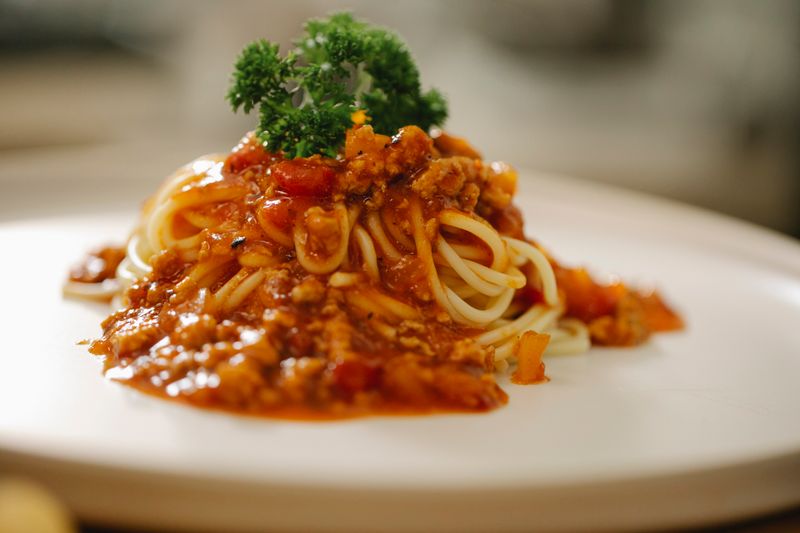
The visual result is striking: the golden crust, the potato chips like sails, the green of the chives. And when you scoop in, the creamy brandade emerges from beneath the crispy crust.
For more brandade versions, check out our article on classic cod brandade. And if you want to work with flaked cod in other recipes, read our guide on flaked cod: uses and recipes.
Torres Brandade Variations
- With truffle: a few slices of black truffle on top of the freshly gratinéed brandade. The heat activates the truffle's aroma. Absolute luxury.
- With piquillo peppers: a layer of roasted piquillo peppers under the brandade in the ramekin. When eating, you find the sweetness of the pepper under the cod cream.
- In vol-au-vent: fill individual puff pastry shells with hot brandade. An elegant cocktail appetizer.
- With caviar: a teaspoon of caviar on top of the brandade just before serving. Hot-cold, sea-land, creamy-crunchy — all contrasts in one bite.
- Without potato (Nîmes version): omit the potato and assemble only with cod, oil, and milk. More intense and purist.
Nutritional Values per Serving
| Nutrient | Per Serving |
|---|---|
| Calories | ~450 kcal |
| Proteins | 28 g |
| Fats | 30 g |
| Carbohydrates | 20 g |
A hearty yet nutritionally balanced dish. Fats mainly come from olive oil (healthy monounsaturates), protein from cod, and carbohydrates from potato. It's an ideal energy-rich dish for colder months.
🛒 Products used in this recipe
⭐ 4.9/5 · 24-48h cold shipping · Since 1990 at Mercat del Ninot
Conclusion
The Torres brothers' style brandade de bacalao is proof that a humble dish can achieve excellence with the right technique. The low-temperature confit cod, sweet confit garlic, lemon zest as a fresh counterpoint, and the gratinéed ramekin presentation transform a centuries-old recipe into a contemporary dish.
It's not difficult to make — it just requires attention to detail: oil temperature, cod-to-potato ratio, and energetic final assembly. With these details controlled, the result is a brandade that will make your family think you've taken cooking classes with the Torres brothers.
The secret, as always, starts with the raw ingredients. At Bacalalo, we select desalted cod directly from the producer, perfect for flaking and brandade. Discover our collection of desalted cod and cook like a chef in your own kitchen.
Desalted cod for gourmet brandades
Selected flakes and loins for perfect confit and shredding.
Buy desalted codFrequently Asked Questions
What is cod brandade?
A creamy emulsion of desalted cod with olive oil and (in most versions) potato. Provençal and Catalan origin. It can be served as a starter, tapa, vol-au-vent filling, or gratinated main course.
Is it necessary to confit the cod or can I boil it?
You can boil it in water or milk — the brandade will turn out well. But confiting it in oil at a low temperature produces much juicier and silkier cod. That's the detail that makes the Torres difference. If you have time, confit. If you're in a hurry, boil.
Can brandade be made in advance?
Yes. Assembled brandade keeps for 2-3 days in the fridge. To serve, divide it into ramekins and gratinate just before. In fact, it rests better than freshly made: the flavors integrate. It can also be frozen for up to 1 month.
Can I use cod flakes instead of loins?
Yes, and it's more economical. Cod flakes (also called "scraps" or "shredded cod") are perfect for brandade because they are already in small pieces. The flavor and final texture are identical.
Does brandade contain cream?
The traditional version does not. It is assembled with olive oil and milk (or only oil in the purist Nîmes version). Adding cream makes it creamier but less authentic. The Torres use milk and oil, not cream.
How many calories does brandade have?
Approximately 450 kcal per serving. Fats come from olive oil (healthy), protein from cod, and carbohydrates from potato. It is an energetic dish but with a balanced nutritional profile.
What is the difference between brandade and esqueixada?
Brandade is a hot emulsion (cod + oil + potato, cooked). Esqueixada is a cold salad of raw shredded cod with tomato, onion, and olives, typical of Catalonia. They are very different dishes that share the main ingredient.
What temperature should the oil be for confiting?
60-65 °C. The oil should be hot but not smoking or bubbling. With a kitchen thermometer, it's easy to control. Without a thermometer: it should be hot to the touch if you put your finger in for 1 second, but without producing any visible movement.
Marc González Sáez
Since 1990 in Mercat del Ninot, Barcelona. We select cod and seafood directly from the producer. It's not marketing — there are verifiable factors.