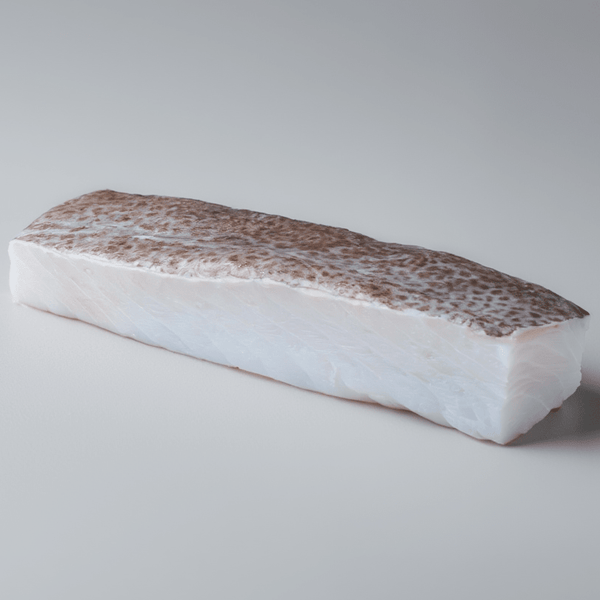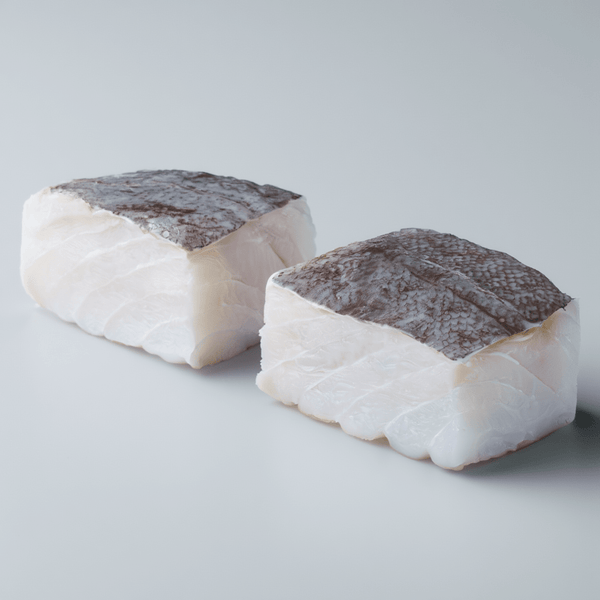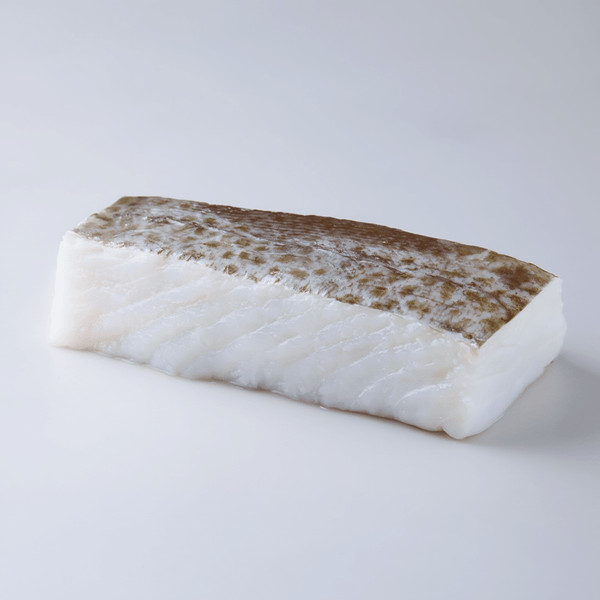


Zurrukutuna is one of the most emblematic and ancient soups in Basque cuisine: a humble dish of shredded cod, soup bread, choricero peppers, and egg, cooked in a fish bone broth that concentrates all the flavor of the sea. Its name in Euskera literally means "spoon broth" and perfectly summarizes its essence: a survival dish transformed into a delicacy, which has gone from the kitchens of fishermen to the menus of the best restaurants in the Basque Country. Marc González Sáez, from Mercat del Ninot in Barcelona, teaches you the step-by-step recipe with the tricks of a professional who has been working with cod since 1990.
Zurrukutuna: Origin and History
Zurrukutuna originated in the rural and fishing areas of the Basque Country, at a time when wasting food was unthinkable. It was a dish of pure resourcefulness: leftover stale bread from the day before, cod scraps that didn't sell in the market, and choricero peppers hanging in the kitchens. All cooked in water—or better, in the broth from cooking the cod itself—with a poached egg on top to provide protein and richness.
The name zurrukutuna comes from Euskera: "zurru" (to slurp) and "kutuna" (pleasant or beloved). It is, literally, a "beloved slurp." And that's exactly what it is: a comforting, simple soup, eaten (or spooned) directly from the plate, slurping the hot broth with soaked bread pieces and cod flakes.
During Lent, when the Church prohibited meat consumption, zurrukutuna was one of the star dishes in Basque farmhouses. It was economical, nutritious, and complied with the abstinence precept. Today, far from being a dish of necessity, zurrukutuna appears on Michelin-starred restaurant menus as a tribute to ancestral Basque cuisine.
Ingredients (4 servings)
- 300 g desalted cod, hand-shredded into flakes
- 200 g day-old country bread (stale or semi-stale)
- 4-5 dried choricero peppers (or 2 heaped tablespoons choricero pulp)
- 4 cloves garlic, sliced
- 1 large onion, finely chopped
- 1 teaspoon sweet paprika from La Vera
- 800 ml cod fumet (or quality fish broth)
- 4 eggs
- Extra virgin olive oil
- Salt (careful: cod adds salinity)
- Fresh chopped parsley
The Cod Broth or Fumet
As with marmitako, the broth makes the difference between a passable zurrukutuna and a memorable one. If you can, make a fumet with the cod bones, skin, and head: put them in a pot with cold water, a leek, a carrot, and parsley. Bring to a gentle boil and cook for 25 minutes. Strain and it's ready.
This bone broth provides natural gelatin that gives the dish a rich, slightly thick texture that envelops the bread and cod like a hug. No commercial broth can replicate this. However, if you don't have cod scraps, a homemade fish fumet or even a good quality canned fish broth (read the label: fish, water, vegetables, salt, and little else) is an acceptable alternative.
Step-by-Step Preparation
Step 1: Prepare the choricero peppers (30 minutes)
Place the choricero peppers in a bowl with hot water for 30 minutes. Once soft, open them and scrape out the pulp with a knife, separating it from the skin. Reserve the pulp. The soaking water, filtered through a fine-mesh sieve, can be added to the broth.
Step 2: The base sofrito (10 minutes)
In a wide casserole dish (earthenware if you have one), heat a generous drizzle of olive oil over medium heat. Add the sliced garlic and brown it lightly. Remove it before it darkens and set aside. In the same oil, sauté the onion over medium-low heat for 8-10 minutes until completely translucent and sweet.
Add the paprika from La Vera (sauté for one second, stir quickly so it doesn't burn) and the choricero pulp. Mix well and cook for 1-2 minutes to integrate.
Step 3: Bread and broth (10 minutes)
Cut the stale bread into slices or pieces about 2-3 cm. Add it to the sofrito and stir to coat it with the oil, onion, and choricero peppers. This step is crucial: the bread absorbs the flavors of the sofrito before receiving the broth.
Pour the hot cod fumet over the bread. Stir gently and bring to a boil. Reduce the heat and cook for 8-10 minutes. The bread will partially break down, thickening the broth and creating that characteristic texture of zurrukutuna: neither a liquid soup nor a thick porridge, but a silky and comforting midway point.
Step 4: The cod (5 minutes)
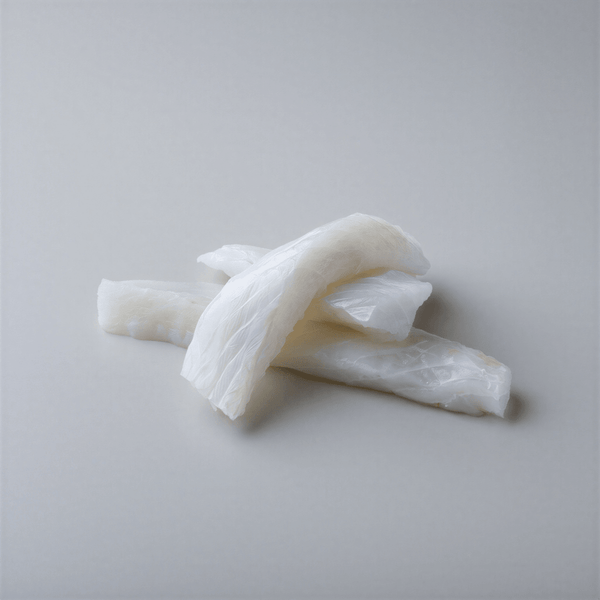
Shred the cod by hand into medium flakes (not too small: they should have a presence in the dish). Add it to the casserole and cook over low heat for 4-5 minutes. The cod only needs to heat through and release its juices into the broth. Do not overcook it: the flakes should remain whole and juicy.
Step 5: The eggs (4-5 minutes)
Using a spoon, make 4 indentations on the surface of the soup. Crack an egg into each indentation. Cover the casserole and cook over low heat for 4-5 minutes, until the whites are set but the yolks are still runny. This is the final touch that transforms zurrukutuna from a soup into a complete meal.
Sprinkle with the reserved browned garlic and fresh chopped parsley. Serve directly from the casserole, with a spoon for each diner.

Shredded cod is the soul of zurrukutuna.
Available at Bacalalo.com with refrigerated delivery in 24-48h
Soup Bread: What Type to Use
Not just any bread works for zurrukutuna. You need a country bread with a thick crust and dense crumb, preferably day-old (semi-stale). Industrial sandwich bread will dissolve instantly and create a mushy texture. Sourdough bread with an open crumb also breaks down too quickly.
The ideal bread is:
- Castilian round loaf (hogaza): compact crumb, thick crust, wheat flavor. It partially dissolves in the broth but retains some textured pieces, creating the perfect contrast.
- Basque corn bread (artoa): the traditional option in Basque farmhouses. Denser and with a slightly sweet flavor that complements the choricero peppers.
- Whole wheat country bread: a modern alternative with more flavor and nutrients.
If your bread is fresh, dry it in the oven at 100 °C (212 °F) for 20 minutes before using. Dry bread absorbs the broth without completely disintegrating, which is exactly what we're looking for.
Zurrukutuna Variations
Gratinated Zurrukutuna
A very popular modern version: prepare the soup up to step 4 (without eggs). Pour it into individual earthenware casseroles, crack an egg into each one, and cover with grated Idiazábal cheese. Gratinate in the oven at 200 °C (390 °F) for 8-10 minutes until the cheese is golden and bubbling. The smoked Idiazábal provides a spectacular contrast with the cod and choricero peppers.
Creamy Zurrukutuna (Restaurant Version)
Some Basque chefs have modernized zurrukutuna by partially blending it: blend 60% of the soup and mix it with the remaining 40% unblended. The result is a cream with cod pieces that maintains the rustic essence but with a more refined texture. It is served in a deep plate with a poached egg on top (instead of poached in the soup) and a drizzle of extra virgin olive oil.
Zurrukutuna with Clams
Add 250 g of well-washed clams (desanded for at least 2 hours in salted water) in the last 5 minutes of cooking, along with the cod. The clams open in the hot broth, adding their oceanic juice. This is a more luxurious version of the original humble dish.
🛒 Related products from Bacalalo
⭐ 4.9/5 · Refrigerated delivery 24-48h · Since 1990 at Mercat del Ninot
Frequently Asked Questions
Is zurrukutuna a soup or a stew?
Zurrukutuna is technically a thick soup, halfway between a soup and a stew. Its texture depends on the amount of bread and broth: with more broth, it's more liquid (soup); with more bread, it's thicker (almost a stew). The traditional version is quite thick: it's eaten with a spoon but not drunk. It's what's called a "cuchara dish" (spoon dish) in Basque cuisine.
Can it be prepared without egg?
Yes. The poached egg is a later addition to the original recipe; older versions did not include it. Without egg, zurrukutuna is still a flavorful and comforting dish. If you want extra protein without egg, increase the amount of cod to 400-500 g.
Can I use fresh bread instead of stale bread?
It's not ideal. Fresh bread absorbs the broth too quickly and completely disintegrates, creating a mushy texture. Stale or semi-stale bread absorbs the broth gradually, maintaining some textured pieces and creating the contrast that defines zurrukutuna. If you only have fresh bread, dry it in the oven at 100 °C (212 °F) for 20 minutes.
How long does zurrukutuna last in the fridge?
The base (broth with bread, sofrito, and cod) lasts 2-3 days in the refrigerator. The bread will continue to absorb broth, and the soup will thicken considerably: when reheating, add extra broth to restore the desired texture. Eggs should be cooked fresh, when reheating.
What other Basque cod dishes are similar?
The family of Basque cod dishes is extensive: bacalao al pil-pil (confit cod in oil), Club Ranero (pil-pil with piperrada), bacalao marmitako (stew with potatoes), bacalao a la vizcaína (choricero pepper sauce). Zurrukutuna is distinguished by the use of bread as a main element, which does not appear in the others. It is the oldest and humblest dish in the family.
Is it a child-friendly dish?
Absolutely. The soft texture of the soaked bread, the boneless shredded cod, and the flavorful broth make it an ideal dish for children aged 2-3 years and older. Reduce or omit the chili if you use it, and skip the paprika if you want a milder flavor. Many Basque children grow up eating zurrukutuna as one of their first spoon dishes.
Zurrukutuna is proof that great cuisine is born from scarcity, not abundance. Stale bread, cod scraps, dried peppers, and an egg. That's all. And yet, the result is a deep, comforting dish, full of nuances. It is real cooking—the kind that is passed down from generation to generation and needs no embellishment or artifice. If you've never tried zurrukutuna, prepare to discover that the best soups in the world don't contain expensive ingredients: they contain soul.