Pickled cod is one of the oldest and most flavorful recipes in Spanish cuisine. This preservation method, which combines frying with a bath of vinegar, olive oil, vegetables, and spices, transforms desalted cod into a dish of deep, aromatic, and addictive flavor that improves with age. In this article, we teach you the traditional pickled cod recipe step by step, with all the tricks to make it perfect. Marc González Sáez, from the Mercat del Ninot in Barcelona, shares a recipe he has been preparing since 1990.
What is Escabeche? History and Fundamentals
Escabeche is a culinary technique with over a thousand years of history in the Iberian Peninsula. The word comes from the Arabic sikbāǧ, a sweet and sour stew with vinegar that the Arabs brought to Spain. For centuries, escabeche was much more than a recipe: it was an essential preservation method in an era without refrigerators. Fishermen and cooks discovered that submerging fried fish in an acidic mixture of vinegar, oil, and spices could keep it in good condition for weeks.
The principle is simple and effective: vinegar acidifies the medium, inhibiting bacterial growth. Olive oil creates a protective layer that isolates the food from the air. Spices — bay leaf, pepper, thyme, clove — provide natural antimicrobial compounds in addition to an extraordinary flavor. The result is a dish that not only preserves but improves with time: flavors merge, the vinegar softens, and the cod absorbs all the aromas of the escabeche.
In Spanish tradition, escabeche has been applied to all kinds of fish — bonito, sardines, mackerel, partridge, quail — but pickled cod holds a special place. Cod, with its firm flesh and ability to absorb flavors, is the perfect canvas for this technique.
Ingredients for Pickled Cod (4 servings)
For the cod
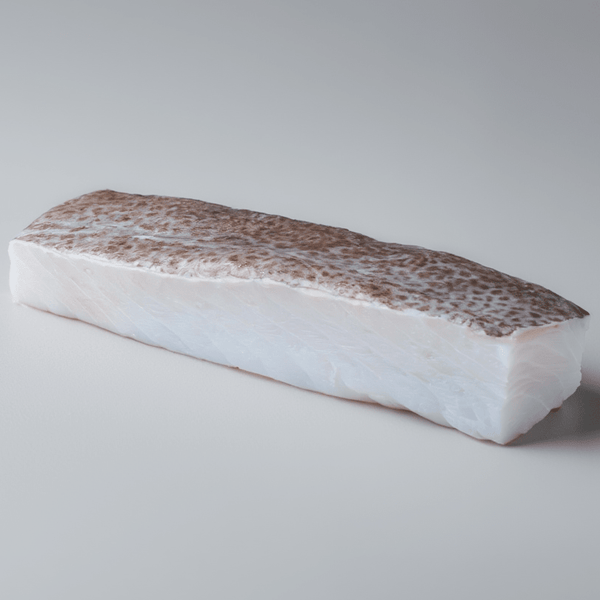
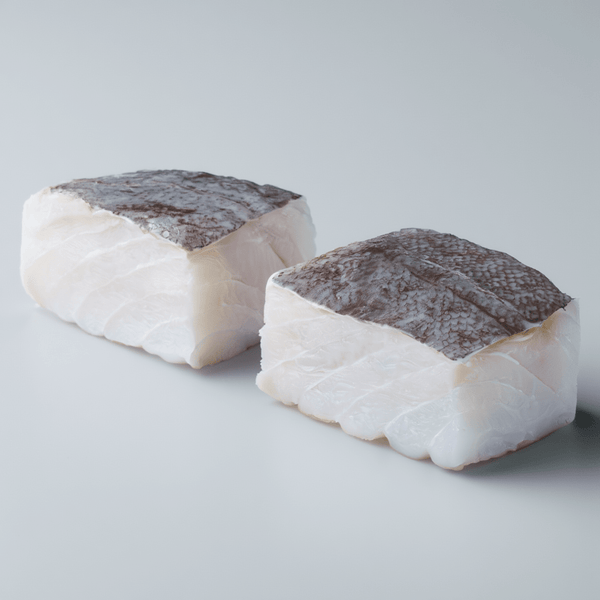
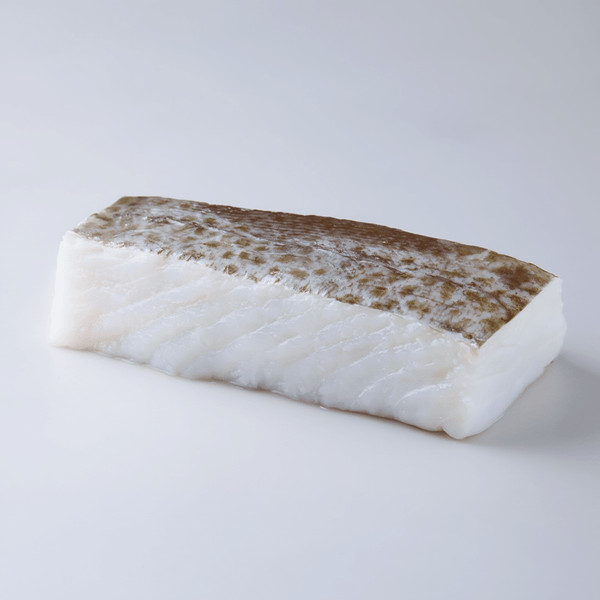
- 800 g desalted cod loins, cut into approx. 5 cm pieces
- Wheat flour for dredging
- Plenty of extra virgin olive oil for frying
For the escabeche
- 200 ml extra virgin olive oil
- 150 ml white wine vinegar (or Jerez vinegar for more complexity)
- 2 medium leeks, cut into 1 cm slices
- 2 large carrots, peeled and thinly sliced
- 12 French shallots (or 2 medium onions, coarsely julienned)
- 1 whole head of garlic, cut in half crosswise
- 10 black peppercorns
- 5 sprigs fresh thyme
- 3 bay leaves
- 2 dried chili peppers (cayenne or spicy ñora)
- 3 cloves
- 1 tablespoon capers
- 1 teaspoon pimentón de la Vera (sweet or bittersweet)
- 200 ml dry white wine
- Salt
Cod Preparation
The success of a good pickled cod starts long before you turn on the stove. The cod must be properly desalted: 48 hours in cold water, changing the water every 8-10 hours, always in the refrigerator. Overly salted cod will ruin the escabeche's balance; over-desalted cod will be bland.
Once desalted, pat the cod pieces dry thoroughly with paper towels. This step is crucial: if the cod is wet, it will splatter when frying and you won't get a crispy crust. Lightly dredge each piece, shaking off any excess. The flour coating serves a dual purpose: it protects the cod flesh during frying and helps slightly thicken the escabeche liquid.
Heat plenty of olive oil in a large skillet over medium-high heat (about 170-180 °C). Fry the cod pieces on both sides for about 2-3 minutes per side, until golden brown on the outside but juicy on the inside. Do not overcook them: the cod will continue to "cook" in the hot escabeche. Remove and place on absorbent paper.

The cod makes all the difference.
Available on Bacalalo.com with 24-48h refrigerated shipping
Pickling Step by Step
In a large, shallow casserole (ideally a clay pot or a cast-iron Dutch oven), heat the 200 ml of olive oil over medium heat. Add the whole shallots (or julienned onion) and let them brown slowly for 5 minutes, stirring occasionally. Add the sliced carrots and leeks. Sauté for another 5 minutes until the vegetables begin to color.
Add the cut garlic head, peppercorns, cloves, chili peppers, thyme, and bay leaves. Stir for one minute to release the aromas of the spices. Sprinkle with pimentón de la Vera, stir quickly (pimentón burns in seconds), and immediately add the white wine. Let the alcohol evaporate for 2-3 minutes over high heat.
Reduce the heat and add the vinegar. This is the key moment: the classic ratio is 2 parts oil to 1 part vinegar, but you can adjust it to your taste. If you prefer a milder escabeche, reduce the vinegar to 100 ml and compensate with more wine. Simmer over low heat for 15-20 minutes, until the vegetables are tender but still have some texture.
Add the capers, stir, and taste the liquid. It should have a balanced flavor between acidic, fatty, and aromatic. Adjust salt if necessary (carefully, as the cod will add some salinity).
Place the fried cod pieces in the casserole, submerging them in the hot escabeche. The liquid should cover at least three-quarters of the fish. If there isn't enough, add a little more oil and vinegar in the same proportion. Simmer everything together over very low heat for 5-8 minutes. Do not stir excessively: the cod can break apart.
Remove from heat and let cool to room temperature with the lid on. This slow cooling is part of the process: the cod absorbs the flavors of the escabeche as the temperature gradually drops.
Vegetables and Spices: The Soul of Escabeche
What distinguishes a mediocre homemade escabeche from an extraordinary one are the vegetables and spices. Each element adds a layer of flavor:
- Leeks: mild sweetness and silky texture. They partially dissolve in the escabeche, adding body to the liquid.
- Carrots: natural sweetness that counteracts the acidity of the vinegar. They also give the escabeche an orange color.
- French shallots: the star ingredient. Whole, they retain their texture and become small bombs of flavor. If you can't find them, use onions cut into 3 cm pieces.
- Black peppercorns: subtle, warm spiciness. Much more elegant than ground pepper.
- Fresh thyme: herbal, earthy, with woody notes. It is the classic escabeche herb.
- Bay leaf: balsamic, slightly bitter. Three leaves are enough; more would be excessive.
- Chili peppers: a touch of heat that enlivens the palate. If you don't like spice, omit them or use only one.
- Cloves: intense, penetrating, a little goes a long way. Three cloves are perfect for this amount.
- Capers: acidic, salty, with a bitter note that adds complexity. Add them at the end to maintain their texture.
- Pimentón de la Vera: smoky, earthy, with a deep red color that dyes the entire escabeche.
The combination of these spices creates an aromatic profile that is unmistakably Spanish: warm, spicy, with the acidity of vinegar as a common thread.
Resting and Preservation: When Patience Pays Off
Here's the secret many people ignore: pickled cod is good on the first day, but it's spectacular from the second day onwards. During cold resting, the flavors magically meld together. The vinegar loses its aggression, the oil absorbs the aromas of the spices, and the cod soaks up the entire blend.
Once cooled to room temperature, store the covered escabeche in the refrigerator. The ideal temperature is between 4 and 6 °C. Preservation: it keeps perfectly for 7-10 days in the refrigerator, as long as the cod is completely submerged in the escabeche liquid. If any piece is exposed to air, add a little more oil to cover it.
Before serving, take the escabeche out of the refrigerator about 30 minutes beforehand. Escabeche is traditionally served at room temperature or slightly chilled; never hot. At room temperature, the flavors are much better perceived than straight from the fridge.
Variations of Pickled Cod
Pickled cod with saffron
Add a generous pinch of saffron to the white wine before incorporating it. Saffron adds a spectacular golden color and a floral, bitter, and earthy flavor that elevates the escabeche to another level. This variation is typical of some areas of Castilla-La Mancha.
Mild escabeche with orange
Replace part of the vinegar (50 ml) with natural orange juice and add the peel of half an orange (without the white pith). The result is a milder escabeche, with citrus notes that combine wonderfully with cod. Ideal for those who find traditional escabeche too acidic.
Quick skillet escabeche
If you don't have time to let it rest, you can make an express escabeche: fry the cod, sauté the vegetables in the same pan with the spices, add vinegar and oil, and serve the cod with the vegetables on top. It's not a traditional escabeche — more like cod in escabeche sauce — but the result is very appetizing and can be prepared in 25 minutes.
Escabeche with Jerez vinegar
Substitute white wine vinegar with Jerez reserve vinegar. Jerez vinegar has a complexity and roundness that white wine cannot match: notes of wood, caramel, and dried fruits. The resulting escabeche is darker, deeper, and more elegant. It is the preferred version in high-end restaurants.
Pairing and Presentation
Pickled cod is a complete dish in itself, but it can be accompanied to turn it into a memorable meal:
- Rustic bread: essential for dipping into the escabeche liquid. A bread with a crispy crust and dense crumb is the perfect companion.
- Green salad: a mix of bitter leaves (arugula, endive, chicory) dressed only with olive oil complements the acidity of the escabeche without competing.
- Boiled potatoes: cut into thick, warm slices, they are the classic accompaniment in Basque and Castilian cuisine.
- Wine: a cold Albariño or a Godello from Valdeorras. The wine's acidity harmonizes with that of the escabeche. If you prefer red, a young and fresh Mencía from Bierzo works very well.
For presentation, serve the cod in a clay dish with the vegetables and escabeche liquid. Garnish with a few fresh thyme leaves and lemon slices. The clay pot maintains the temperature and adds a rustic touch that matches the dish's character.

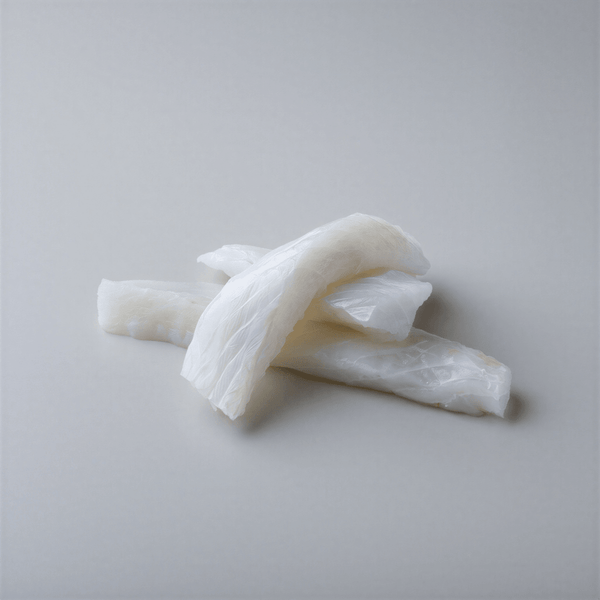
Cod for escabeche: choose wisely.
Available on Bacalalo.com with 24-48h refrigerated shipping
If you are interested in exploring more about canned goods and fish preservation methods, we recommend reading our complete guide to canned fish, where we explain the differences between escabeche, salted, smoked, and confit.
🛒 Related products from Bacalalo
⭐ 4.9/5 · Cold shipping 24-48h · Since 1990 at Mercat del Ninot
Frequently Asked Questions
How long does pickled cod last in the fridge?
Properly prepared pickled cod lasts 7 to 10 days in the refrigerator, as long as the fish is completely submerged in the escabeche liquid. Vinegar and oil act as natural preservatives. If you notice any piece exposed to air, add more oil to cover it.
Can pickled cod be frozen?
Yes, it can be frozen for 2-3 months, but the texture of the cod will be affected. When thawed, the flesh loses firmness and the vegetables become softer. If you are going to freeze it, do so in airtight containers with the escabeche liquid covering everything. Thaw slowly in the refrigerator for 24 hours.
What type of vinegar is best for escabeche?
White wine vinegar is classic and works perfectly. If you want to elevate the dish, use Jerez reserve vinegar, which offers more complexity and roundness. Avoid very aggressive vinegars like distilled vinegar or cleaning vinegar. Apple cider vinegar is a milder alternative but takes away from the dish's Spanish character.
Is it necessary to fry the cod before pickling?
Traditionally yes, and we recommend it. Frying provides a protective crust that keeps the fish juicy during marinating, as well as a toasted flavor that enriches the dish. However, there is a lighter version where the cod is poached directly in the hot escabeche without prior frying. The result is milder and lower in calories, but it loses the characteristic texture.
Can you make escabeche with salted cod without desalting?
It is not advisable. Salted cod has an extremely high salt concentration that would completely imbalance the escabeche. You should always desalt the cod first (48 hours in cold water, changing every 8-10 hours). If you buy pre-desalted cod, you can use it directly.
Is escabeche served cold or hot?
Cod escabeche is traditionally served at room temperature or slightly chilled. Never hot: heat alters the balance of flavors created during resting. Take it out of the refrigerator about 30 minutes before serving so that it warms up and the flavors are fully expressed.
Can I reuse the escabeche liquid?
Yes, the escabeche liquid can be reused one more time to pickle another batch of cod or other fish. Heat it, adjust the amount of vinegar and oil, and repeat the process. Reused liquid even has more flavor than the original. Do not reuse it more than once for food safety reasons.
Pickled cod is one of those recipes that connects directly with the culinary history of Spain. It is a humble dish in its origin — born from the need to preserve fish — but sophisticated in its result. The key is patience: proper desalting, a fair frying, a balanced escabeche and, above all, the resting period that allows the flavors to meld. As we say at Mercat del Ninot: the best recipes are not just made with hands, but with time.
Discover our premium selection
Seafood selected with discernment since 1990 at Mercat del Ninot, Barcelona. Refrigerated shipping in 24-48h.