Bacalao a la riojana is one of the great classics of Spanish cuisine: desalted cod in a thick sauce of choricero peppers, tomato, and garlic that is pure concentrated flavor. In this guide, we explain the traditional recipe step by step, the importance of the choricero pepper, tricks for a perfect sauce, and variations worth knowing.
Contents
What is Bacalao a la Riojana
Updated March 2026. What we tell you here comes from serving thousands of customers in Barcelona.
Bacalao a la riojana is a stew of desalted cod in a dense, aromatic sauce made with dried choricero peppers, tomato, garlic, and olive oil. It is an emblematic dish of La Rioja and the Basque Country that has spread throughout Spain as one of the most appreciated cod preparations.
What distinguishes bacalao a la riojana from other cod stews is the sauce: thick, dark red, almost brick-colored, with a deep, slightly sweet, and non-spicy flavor. This sauce is the work of the choricero pepper, a humble ingredient that, in the right hands, produces an extraordinary result.
It is a Lenten dish by origin (cod was the substitute for meat on abstinence days), a winter tradition, and a year-round dish by its own merits. It is usually served with boiled or fried potatoes that absorb the sauce, becoming as prominent as the cod itself.
History and origin
Bacalao a la riojana was born at the confluence of two traditions: that of dried and salted cod arriving from the north (Norway, Iceland) via the Cantabrian trade routes, and that of the choricero pepper, cultivated in the Riojan and Navarrese valleys since the 17th century.
La Rioja, a landlocked region, relied on salted cod as a protein source during Lent and the many days of abstinence on the Catholic calendar. Riojans, who had choricero peppers drying on the facades of their houses, found in the combination of both ingredients one of the most successful dishes of Spanish gastronomy.
The recipe has remained practically unchanged since the 19th century. Riojan families pass it down from generation to generation with minimal variations (a little more garlic here, a touch of chili there), but the essence is always the same: cod, choricero pepper, tomato, garlic, olive oil.
The choricero pepper: the key
Without choricero pepper, there is no bacalao a la riojana. It's that simple. And it deserves our attention because it is an ingredient many are unfamiliar with.
What is a choricero pepper
The choricero pepper is a variety of pepper (Capsicum annuum) cultivated in La Rioja, Navarre, and the Basque Country. It is harvested ripe (intense red) and dried by hanging in strings for weeks until it becomes wrinkled and papery. It is not spicy: its flavor is sweet, deep, and slightly smoky.
How to prepare choricero pepper
- Soak the dried choricero peppers in hot water for 30-40 minutes until soft.
- Open them and scrape out the inner pulp with a spoon, discarding the skin and seeds.
- The resulting pulp (choricero flesh) is what is incorporated into the sauce. It has a concentrated paste texture and an intense dark red color.
Alternative: You can find ready-made "choricero pepper paste" in jars in specialized stores. It's an acceptable shortcut, but pulp extracted from peppers soaked at home has more freshness and nuances.
Do not confuse with
- Ñora: It's a cousin of the choricero but smaller and with a different flavor (more bitter). It is used in Levantine cuisine, not Riojan.
- Piquillo pepper: This is a different variety, roasted and canned. It can complement the recipe but not replace the choricero.
- Paprika: Paprika from La Vera is ground dried pepper. It adds color and some flavor but does not have the texture or depth of choricero pulp.
Ingredients for 4 people
| Ingredient | Quantity | Notes |
|---|---|---|
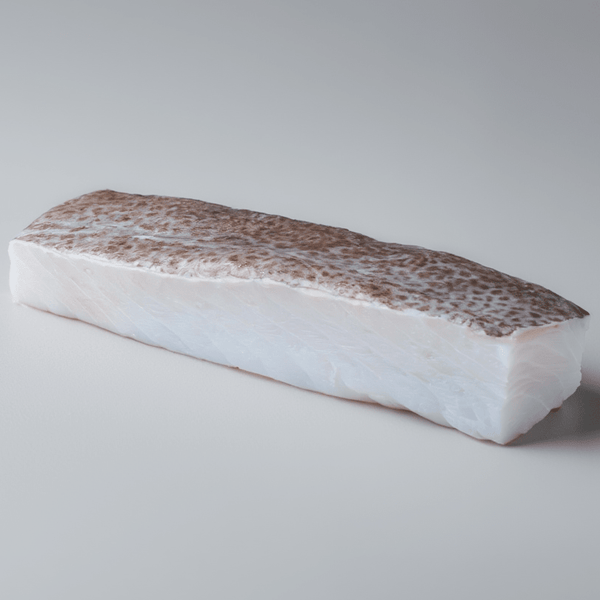
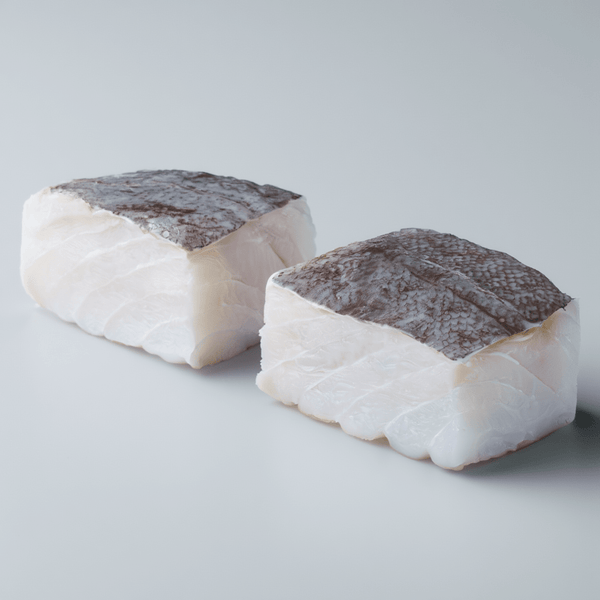
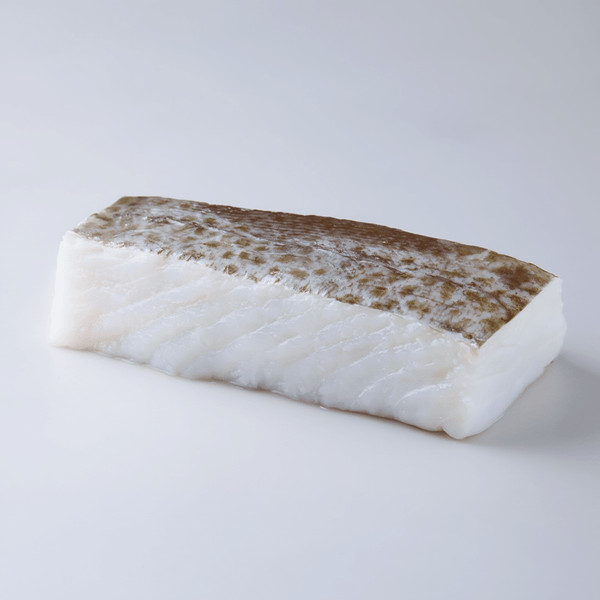
| Desalted cod (loins) | 600 g | 4 thick pieces |
| Dried choricero peppers | 6-8 | Soaked and scraped |
| Ripe tomato | 2 medium | Grated or crushed |
| Onion | 1 large | Finely chopped |
| Garlic cloves | 4 | Sliced |
| Extra virgin olive oil | 6 tablespoons | Generous |
| Flour | 1 tablespoon | For coating the cod |
| Piquillo pepper | 4-6 units | Canned, for garnish (optional) |
| Potatoes | 4 medium | For accompaniment |
| Dried chili pepper | 1 small | Optional, for a slight spicy kick |
Step-by-step recipe
Step 1: Prepare the choricero peppers (40 minutes)
Place the dried choricero peppers in a bowl with hot (not boiling) water. Let them soak for 30-40 minutes. When soft, open them in half, remove the seeds, and scrape the pulp from the inside with a spoon. Discard the skin. Reserve the pulp and also the soaking water (it has flavor).
Step 2: Flour and sear the cod (5 minutes)
Dry the cod loins with kitchen paper. Lightly flour them on the skin side. In a wide casserole dish (preferably earthenware), heat 4 tablespoons of olive oil over medium-high heat. Sear the cod on the skin side for 2 minutes until golden. Flip it, cook for 30 more seconds, and remove. Set aside.
Why only the skin: Flour coating only the skin side creates a crust that prevents the cod from falling apart in the sauce and slightly thickens the stew.
Step 3: The sofrito (15 minutes)
In the same oil (add the remaining 2 tablespoons if necessary), reduce the heat to medium. Sauté the chopped onion for 8-10 minutes until transparent and soft. Add the sliced garlic and the chili (if using). Sauté for 2 more minutes.
Add the grated tomato and cook for 5-6 minutes, stirring occasionally, until the water evaporates and it darkens.
Step 4: The choricero sauce (10 minutes)
Add the choricero pepper pulp to the sofrito. Mix well and cook for 2 minutes for it to integrate. Pour in 200-300 ml of water (or the choricero soaking water) and simmer gently for 8-10 minutes until the sauce thickens and has a dense, homogeneous texture.
If you want a finer sauce, blend it with an immersion blender. If you prefer a more rustic texture (which is traditional), leave it as is.
Step 5: Cook the cod in the sauce (10-12 minutes)
Place the seared cod loins in the sauce, skin side up. Do not cover them completely: they should be semi-submerged. Cook over very low heat (slow bubbles) for 10-12 minutes. Gently move the casserole occasionally in a circular motion so that the sauce binds with the gelatin released by the cod.
This movement is key: By moving the casserole (not the cod with a spoon), the gelatin from the cod emulsifies with the oil and sauce, creating that unctuous and glossy texture that is the hallmark of well-made bacalao a la riojana. Do not stir with a spoon: you would break the pieces.
Step 6: Potatoes and serving
Boil the potatoes separately (whole, with skin, 20-25 minutes). Peel and cut them into thick slices. Place them alongside the cod in the casserole or on the plate. The Riojan sauce over boiled potatoes is almost as good as over the cod itself.
Garnish with strips of piquillo pepper if you want an extra touch of color and sweetness.
Tips for a perfect sauce
- Amount of choriceros: Don't skimp. 6-8 choricero peppers for 4 people may seem like a lot, but the sauce should be dense and substantial. With 3-4 peppers, the result will be watery and lacking character.
- The casserole's sway: This is the most important technical secret. By moving the casserole (not the contents), the gelatin from the cod emulsifies with the fat, and the sauce thickens naturally, without the need for flour or thickeners. It's the same principle as pil-pil.
- Low heat: The cod should cook in the sauce over very low heat. A vigorous boil breaks the emulsion, breaks up the cod, and leaves the sauce oily.
- Cooked tomato: The tomato must lose all its water before adding the choriceros. If water remains, the sauce will be acidic and light instead of sweet and dense.
- Cod thickness: Thick loins (3-4 cm) can withstand 10-12 minutes of cooking without falling apart. Thin pieces will disintegrate, and the texture will be lost.
Variations of bacalao a la riojana
With fried potatoes in the sauce
Instead of boiling the potatoes separately, they are sliced and fried. Then they are added to the sauce and cooked for 5 minutes with the cod. Fried potatoes absorb more sauce and provide a different texture. This is the heartiest version.
With poached egg
In some areas of Navarre, an egg per diner is cracked directly into the boiling sauce during the last 3-4 minutes of cooking. The yolk mixes with the Riojan sauce, creating a combination that is pure umami.
Basque version (with pil-pil)
Some Basque cooks fuse bacalao a la riojana with the pil-pil technique: they cook the cod first in oil to extract the gelatin, make the pil-pil emulsion, and then incorporate the choricero sauce. The result is more complex and laborious, but spectacular.
With red beans
Pochas with cod and choriceros is a related dish that substitutes potatoes with red beans from Anguiano or Ibeas. It is a complete spoon dish especially eaten in winter.
Nutritional value
| Nutrient | Per serving (approx.) |
|---|---|
| Calories | 420 kcal |
| Proteins | 38 g |
| Fats | 18 g |
| Carbohydrates | 28 g |
| Fiber | 4 g |
| Vitamin A | High (choricero pepper) |
It is a balanced dish: high-quality protein from the cod, carbohydrates from the potato, healthy fats from the olive oil, and vitamins from the choricero pepper (especially vitamin A and C, which are partially preserved during drying). It is not particularly caloric for a complete stew.
Premium Seafood Products — Bacalalo
Since 1990, selecting the best from the sea at Mercat del Ninot, Barcelona. Refrigerated shipping 24-48h.
See desalted cod from Iceland →🛒 Related products from Bacalalo
Extra Loin Desalted Cod — 900g
Gadus morhua from Iceland, artisanally desalted
44,90€
View product →"Discover Bacalalo" Assortment
Our best-selling pack — ideal for first purchase
19,90€
View product →⭐ 4.9/5 · Cold shipping 24-48h · Since 1990 at Mercat del Ninot
Frequently asked questions
Can I substitute choricero pepper with ñora?
It's not ideal. The ñora has a different flavor: more bitter and less sweet than the choricero. If you can't find choricero peppers, it's better to use jarred choricero pepper pulp (available in well-stocked supermarkets and online) than to substitute with ñora. If you have no other choice, use ñoras but add a piquillo pepper to the sauce to compensate for the missing sweetness.
Can bacalao a la riojana be made with frozen cod?
You can, but the result is inferior. Fresh frozen cod has a softer texture and does not release the gelatin that emulsifies the sauce as salted and desalted cod does. The gelatin produced by salt cod during cooking is what gives the Riojan sauce its characteristic unctuous texture.
How long does Rioja-style cod last in the fridge?
2-3 days, well covered in the fridge. In fact, like many stews, it tastes better the next day: the sauce penetrates the cod more, and the flavors meld. Reheat on low heat, moving the pot (not stirring) to maintain the emulsion.
Can it be frozen?
Yes, it freezes well. Store in individual containers and freeze quickly. When defrosting (in the fridge, never in the microwave), reheat gently in a pot, adding a tablespoon of water if the sauce has thickened too much.
Why is my sauce oily instead of emulsified?
Two possible causes: 1) The heat was too high (the emulsion breaks above a certain temperature). 2) You didn't move the pot enough. The trick is to move the pot with a gentle, continuous circular rocking motion during cooking, over low heat. If the sauce has already broken, remove from heat, let it cool a little, and add a tablespoon of cold water while moving the pot: sometimes it can be saved.
What wine pairs with Rioja-style cod?
A Rioja crianza (for geographical and gastronomic consistency) is the classic pairing: the soft tannins of Tempranillo complement the sweetness of the choricero peppers. A Navarra rosé or a full-bodied white (Viura with oak) also works. Avoid overly fruity young wines: the sauce needs a wine with structure.
What is the difference between Rioja-style cod and Biscay-style cod?
They are closely related but with differences: Biscay-style cod has more onion and sometimes piquillo peppers, and the sauce is pureed fine. The Rioja style is more rustic, with the choricero pepper pulp more present and less onion. Both use choricero peppers as a base, but the balance of ingredients and the final texture are different.
Rioja-style cod is Spanish cuisine at its best: humble ingredients treated with respect produce a result that rivals much more sophisticated dishes. The key lies in the choricero peppers (don't skimp), well-desalted cod, and the patience of moving the pot to achieve that emulsified, shiny sauce.
It's one of those dishes that, once mastered, becomes your foolproof resource for impressing without complicating your life.
Related articles:
Written by Marc González Sáez, seafood expert since 1990, Mercat del Ninot, Barcelona.