

Summary: If you manage a restaurant, hotel, or catering service, choosing a cod supplier is a decision that directly affects your profit margin and customer satisfaction. We compare the main options: cash & carry (Makro), national distributors, and specialized suppliers.
If you manage a restaurant, hotel, or catering service, choosing a cod supplier is a decision that directly affects your profit margin and customer satisfaction. We compare the main options: cash & carry (Makro), national distributors, and specialized suppliers.
Table of Contents
Comparison of Purchasing Channels for Horeca
| Criterion | Cash & Carry (Makro) | National Distributor | Specialized Supplier |
|---|---|---|---|
| Price | Competitive (volume) | Negotiable (rebate) | Medium-high (quality) |
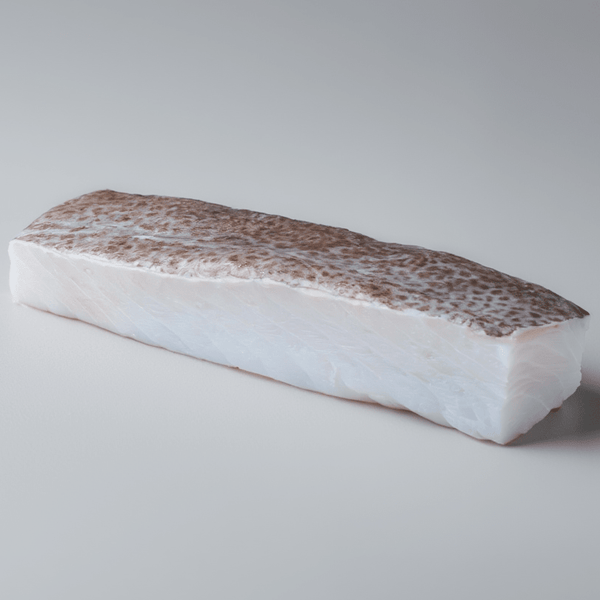
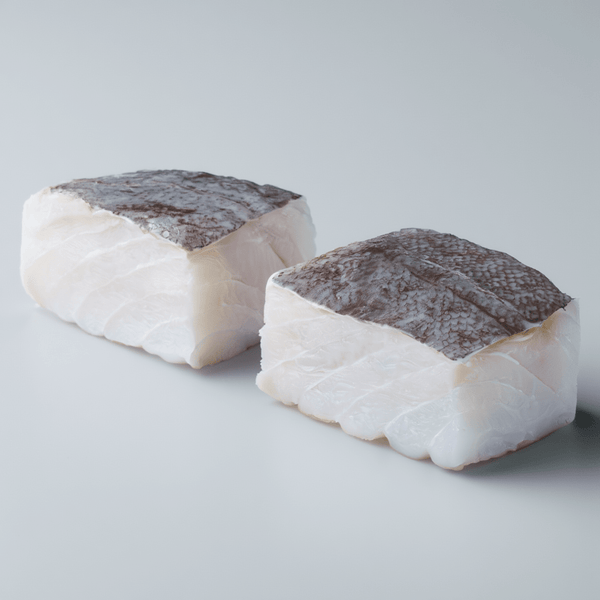
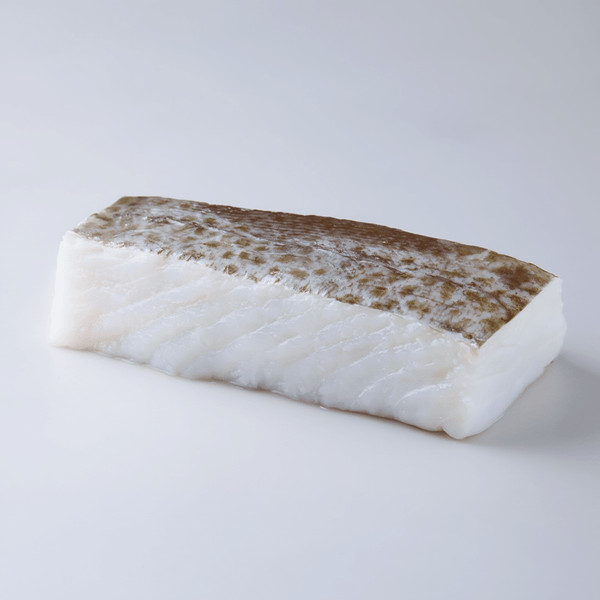
| Variety of cuts | Basic (loin, flakes) | Wide (industrial catalog) | Complete (includes cheeks, jowls, neck/collar) |
| Batch consistency | Variable | Good | High (manual selection) |
| Minimum order | No minimum | Usually yes | Variable |
| Logistics | Store pickup | Own delivery | Delivery or pickup |
| Advice | None | Assigned sales representative | Product specialist |
| Traceability | Standard label | Batch and origin | Fishing area, method, batch |
Makro and Cash & Carry: When It Makes Sense
For restaurants that use cod as a secondary ingredient (in salads, croquettes, fillings), Makro offers good value for money. Advantages: no minimum order, immediate purchase, clear prices. Limitations: reduced variety of cuts, no advice on recipes or grammages.
National Distributors: Volume and Logistics
For restaurants with high and regular consumption, a distributor like Barquero offers scheduled delivery, deferred invoicing, and volume rebates. They are the most logistically efficient option for large establishments.
Related Cod Products


Specialized Suppliers: Quality and Differentiation
If your menu features cod as a star dish, a specialized supplier provides something other channels don't: piece selection, specific cuts, and consistency. This translates into more uniform dishes and a differentiated offering compared to the competition.
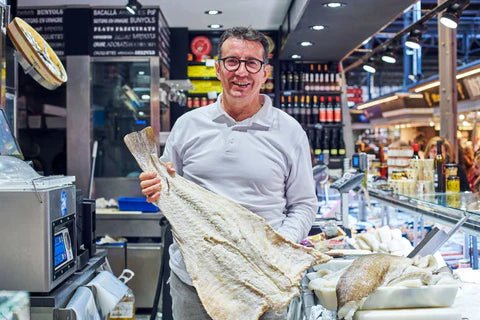
Suppliers like Bacalalo, with over 30 years in the Mercat del Ninot in Barcelona, combine product knowledge with direct service to the hospitality industry.
What to Ask Any Supplier
- Origin: Where is the cod from? Iceland, Norway, elsewhere?
- Process: Industrial (fast) or traditional desalinating?
- Available cuts: Do they have cheeks, jowls, neck/collar in addition to loin?
- Consistency: Can I expect the same thickness and saltiness in each order?
- Logistics: Shipped with a cold chain? What days do they deliver?
- Minimum order: What is the minimum I have to order?
- Conditions: Invoice, payment terms, returns?
Conclusions
- Makro and cash & carry: when it makes sense: For restaurants that use cod as a secondary ingredient (in salads, croquettes, fillings), Makro offers good value for money.
- Specialized suppliers: quality and differentiation: Suppliers like Bacalalo, with over 30 years in the Mercat del Ninot in Barcelona, combine product knowledge with direct service to.
- What to ask any supplier: It is industrially processed cod at a good price.
Frequently asked questions
Is Makro cod good quality?
It is industrially processed cod at a good price. For use as an ingredient, it performs well. For dishes where cod is the main attraction, selecting a specialized supplier usually yields better results.
Can I combine suppliers?
Yes, and this is common practice. Many restaurants buy flakes and shredded cod from cash & carry (price) and premium loins from specialized suppliers (quality for star dishes).
What is the profit margin for cod on the menu?
Quality desalted cod allows for food cost margins of 25-35% on à la carte dishes. Premium cuts (cheeks, jowls) have a higher perceived value and allow for higher menu prices.
Note: This comparison is based on public information available as of February 2026. Prices are indicative and may vary. All mentioned brands are property of their respective owners. Bacalalo.com has no commercial relationship with the mentioned companies unless explicitly stated.
→ See our selection of desalted cod
Discover our selection at Bacalalo.com
B2B Purchase Guide: What a Restaurant Needs
Buying cod for a restaurant is not like buying for home. Volumes, product consistency, and logistics change completely. A restaurant needs:
- Uniform product: loins of the same thickness and weight for consistent cooking in each service.
- Reliable supply: that the supplier always delivers the same quality, week after week.
- Predictable pricing: stable budget to keep food costs under control.
- Complete traceability: origin, batch, catch date — essential for HORECA health regulations.
- Professional formats: 5-10 kg boxes, vacuum-packed, professional labeling.
Makro vs. Specialized vs. Direct Distributors
| Channel | Advantages | Limitations | Indicative Price |
|---|---|---|---|
| Makro | Variety, flexible hours, no minimum order | Variable turnover, generic service | €25-40/kg desalted |
| HORECA Distributors (Bidafarma, Miquel, IFA) | Home delivery, payment terms, extensive catalog | Minimum orders, less specialization in fish | €22-38/kg desalted |
| Specialized Cod Suppliers | Maximum quality, expert advice, consistent product | Less flexibility in hours, minimum order | €30-55/kg premium desalted |
| Direct Importers | Better price, access to premium origins | High volumes (25-50kg minimum), long lead time | €20-35/kg desalted |
Volume Pricing: What to Expect
The price of cod for catering varies according to volume, origin, and format. These are the usual ranges in 2026:
| Product | 1-5 kg/week | 5-20 kg/week | 20-50 kg/week |
|---|---|---|---|
| Icelandic desalted cod (loin) | €50-60/kg | €42-50/kg | €35-45/kg |
| Norwegian desalted cod (loin) | €38-48/kg | €32-40/kg | €28-35/kg |
| Salted cod (dry) | €25-35/kg | €20-28/kg | €18-24/kg |
| Flakes / shredded | €18-25/kg | €15-20/kg | €12-18/kg |
Note: these prices are indicative for the Iberian Peninsula. Negotiation is normal and expected in HORECA — especially if you commit to regular volume.
Logistics and Cold Chain for HORECA
Logistics is where many suppliers differentiate themselves. Key aspects:
- Delivery frequency: for desalted cod, you need deliveries at least twice a week (shelf life 5-7 days). Salted cod lasts weeks.
- Transport temperature: 0-4°C for desalted, ambient for dry. Verify that the supplier uses a vehicle with temperature logging.
- Delivery time: restaurants need delivery first thing in the morning (7:00-10:00 AM). Not all suppliers offer this.
- Incident management: a defective batch on a Friday night can ruin the weekend service. The supplier must have urgent replacement capacity.
Certifications and HORECA Regulations
To operate legally in catering, your cod supplier must comply with:
- RGSEAA health registration: mandatory for any company that handles and distributes food.
- HACCP (Hazard Analysis and Critical Control Points): mandatory self-control system.
- Traceability: ability to track each batch from catch to your kitchen.
- IFS / BRC: voluntary certifications but indicate a high standard of quality. The best suppliers have them.
- MSC (Marine Stewardship Council): sustainable fishing certification. Increasingly demanded by environmentally conscious restaurants.
If you manage a restaurant and are looking for premium cod with the guarantees you need, Bacalalo.com works with top quality products from Iceland and Norway. Refrigerated shipping, full traceability, and direct attention for professional orders. Consult B2B conditions by contacting us directly.
Frequently Asked Questions
Is Makro a good option for buying cod for my restaurant?
Makro is a good option to start or for occasional orders. The advantage is flexibility (you buy what you need when you need it). The limitation: quality can vary between batches and they don't always have premium origins. When your consumption is regular, a specialized supplier offers better product and price.
How much cod do I need per service?
It depends on your menu. For a main dish with cod as the protagonist, calculate 180-220g per serving (desalted). For tapas or starters, 80-100g. An average restaurant serving 20 portions of cod a day needs 3.5-4.5 kg/day, meaning about 25-30 kg/week.
Can I desalt the cod in the restaurant or is it better to buy it desalted?
It depends on your operation. Desalting in the restaurant gives more control over the salt point but requires cold room space (48-72h submerged) and daily management. Buying desalted is more convenient and reduces the risk of error. For haute cuisine, many chefs prefer to desalt themselves. For standard cuisine, professional desalting is excellent.
What margin should I apply to cod on my menu?
The target food cost in catering is 28-35% of the selling price. If premium desalted cod costs you €45/kg and you use 200g per serving (raw material cost: €9), the selling price should be €26-32 for a food cost of 28-35%. Add garnish (€2-3 cost) and adjust to your restaurant's positioning.
Do I need an invoice with itemized VAT from the cod supplier?
Yes, it's essential. The VAT on fresh and salted cod is super-reduced (4% in Spain). Frozen or processed cod may be taxed at 10%. Make sure your supplier issues a correct invoice with the corresponding VAT rate — your accounting firm will thank you.