

Boricua-style stewed cod is one of the most beloved dishes in Puerto Rican cuisine: desalinated salted cod, slow-cooked in an aromatic sofrito with tomato, peppers, and olives, with potatoes added for body. It's a Sunday meal, an Easter dish, and a family table staple, a humble but full-of-character stew served over white rice and, almost always, with tostones on the side.
In this guide, we'll explain what makes Boricua stew special, what Puerto Rican sofrito with recao (culantro) and ají dulce consists of, what cod to use and how to desalt it, and how to prepare it step by step. As we at Mercat del Ninot have been working with salted cod since 1990, we know that any good recipe starts with honest raw ingredients and proper desalting.
Stewed cod in Puerto Rican cuisine
In Puerto Rico, salted cod has deep roots. It arrived with the Atlantic tradition of salt-cured fish, which allowed it to be preserved for months without refrigeration, and it became integrated into the island's Creole cuisine as an ingredient for Lent, holidays, and everyday meals. Stewed cod—also simply called "bacalao a la criolla" in many homes—is its most popular expression.
Unlike other island preparations, this stew is served hot and with sauce, not cold. Its soul lies in the balance between the salty taste of the cod, the subtle sweetness of the potato, and the aromatic depth of the sofrito. It is an economical, hearty, and deeply comforting dish, one that fills the house with the scent of Sunday.
It should not be confused with serenata de bacalao, a typical cold salad from the island with poached cod, root vegetables, tomato, and avocado. Here we are talking about the stewed version: the cod is cooked within the sofrito until the sauce completely permeates it.
Boricua sofrito: recao, ají dulce, and sazón
If there's one element that defines Puerto Rican cuisine, it's sofrito. It's not the Mediterranean sofrito of slowly reduced onion and tomato, but rather a green aromatic base that is prepared separately and used as the starting point for almost all stews. Its main ingredients are:
- Recao (culantro): a long, serrated leaf, a relative of cilantro but more intense and heat-resistant. It's the signature aroma of Boricua sofrito.
- Ají dulce: a small, aromatic, and non-spicy pepper, essential for the island's flavor profile.
- Onion, garlic, and bell pepper: the vegetable base that provides body.
- Cilantro and, sometimes, red bell pepper and tomato to round out the flavor.
Many island kitchens blend all these ingredients and store the sofrito in the refrigerator or freezer, ready to use. Sazón (a spice blend with achiote that gives color), oregano, bay leaf, and a good splash of olive oil are also usually added to the stew. Olives and capers provide the characteristic salty and acidic touch.
If you can't find recao or ají dulce outside the island, don't worry: you can substitute recao with fresh cilantro (in a larger quantity, added at the end) and ají dulce with a piece of Italian or cubanelle pepper. It won't be identical, but it will retain the spirit of the dish.
What cod to use and how to desalt it
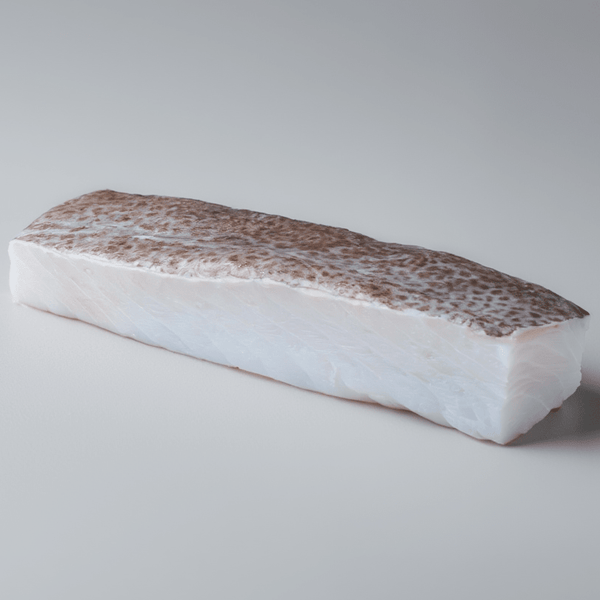
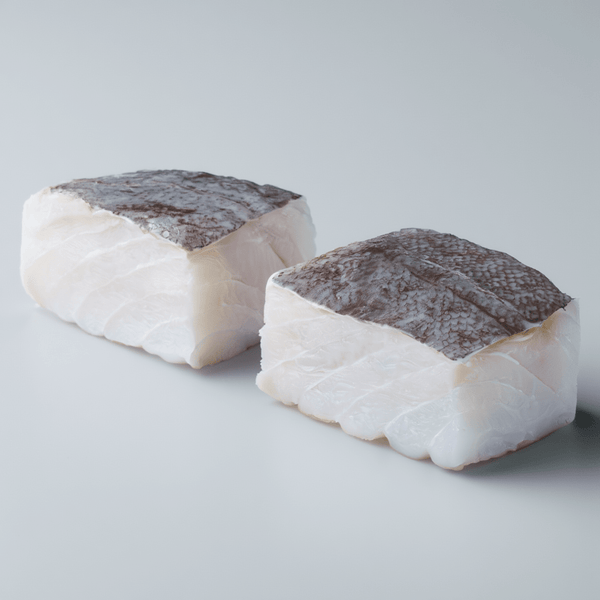
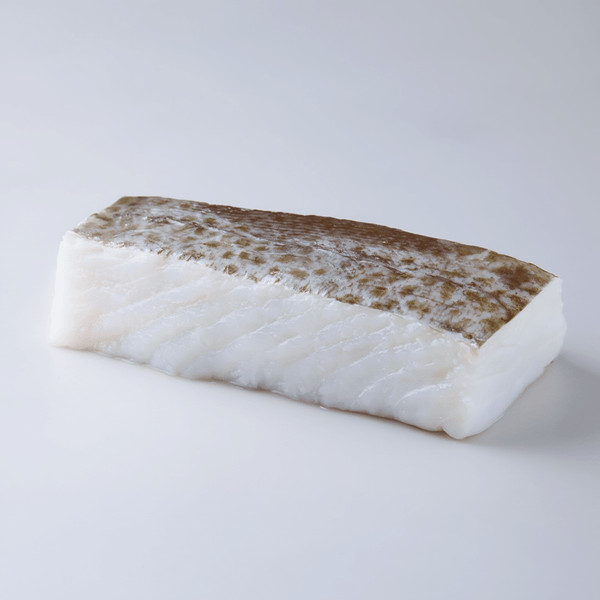
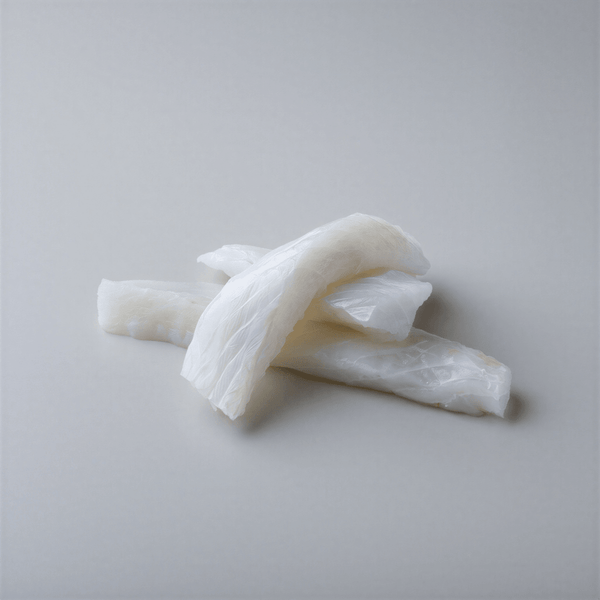
For a good stew, look for quality salted dried cod loins or flakes. Loins provide firm pieces that flake into layers within the sauce; flakes are more economical and perfect for a more shredded stew, which is very typical in this dish. Avoid industrial desalted cod packaged in water: it loses flavor and texture. In our selection of desalted and salted cod, you will find pieces processed with care for stewing.
How to desalt cod step by step
- Rinse the pieces under running water to remove surface salt.
- Submerge the cod in plenty of cold water, skin side up, in the refrigerator.
- Change the water every 6-8 hours. A thick loin needs between 36 and 48 hours; flakes usually take about 24 hours.
- Check for saltiness by tasting a corner before cooking: it should be flavorful, neither bland nor too salty.
If you want to master the exact timing according to the thickness of the piece, we recommend our complete guide to desalting cod, where we explain the 4, 24, and 48-hour methods in full detail.
Ingredients (4 servings)
- 500 g desalted salted cod, in loins or flakes
- 4 medium potatoes, peeled and cut into pieces
- 1 large onion, chopped
- 1 green bell pepper (cubanelle or Italian), sliced
- 4-6 ajíes dulces (or 1 extra Italian pepper), chopped
- 4 cloves garlic, minced
- 2 sprigs recao (culantro), chopped, or a good handful of fresh cilantro
- 3 ripe tomatoes, grated (or 200 g crushed tomatoes) and 1 tablespoon tomato paste
- 60 ml extra virgin olive oil
- 1 handful of green stuffed olives and 1 tablespoon capers
- 1 bay leaf and 1 teaspoon oregano
- 1 packet sazón with achiote (optional, for color)
- Black pepper to taste and a splash of vinegar or lime juice (optional)
Step-by-step preparation
1. Prepare the cod and potatoes
Once the cod is desalted, drain it well and flake it into large pieces, removing any skin and bones. Boil the potatoes in lightly salted water for 12-15 minutes, until almost tender but still firm; they will finish cooking in the stew. Drain and set aside.
2. Make the Boricua sofrito
In a large pot, heat the olive oil and sauté the onion, bell pepper, and ajíes dulces over medium heat for 8-10 minutes, until softened. Add the garlic and chopped recao and cook for a couple more minutes. Stir in the grated tomato, tomato paste, bay leaf, oregano, and sazón, and let it reduce over low heat for 10 minutes, until the sauce loses its raw tomato flavor and thickens.
3. Stew the cod with the potatoes
Add the reserved potatoes, olives, and capers to the sofrito and stir gently to coat. Add a little water or broth if the sauce is too thick (it should be saucy but well-bound). Finally, add the flaked cod and cook over medium-low heat for 10-15 minutes, shaking the pot back and forth instead of stirring vigorously to prevent the cod from falling apart completely.
4. Adjust seasoning and finish
Taste the sauce before adding salt: the cod and olives already contribute saltiness. Adjust with pepper and, if desired, a splash of vinegar or lime to enhance the flavors. Remove the bay leaf, sprinkle fresh cilantro on top, and let it rest for a few minutes off the heat before serving.
Difference from Dominican stewed cod
Although both stews share salted cod and a Caribbean sofrito, there are clear differences. Dominican cod with root vegetables is built on boiled root vegetables—yucca, green plantain, sweet potato, ñame—which serve as the starchy base of the dish, and usually features a simpler sofrito of onion, garlic, pepper, and tomato.
Boricua stew, on the other hand, does not require root vegetables: here the starch is provided by potatoes integrated into the sauce itself, and the sofrito is more aromatic thanks to recao, ají dulce, and sazón. It is, therefore, more of a "one-pot" dish, where everything is cooked together, as opposed to the separate assembly of the Dominican dish. If you want to compare the two island traditions, we also recommend reading the Dominican recipe.
Accompaniments: rice, tostones, and more
Boricua stewed cod is almost always served over white rice, which soaks up the sofrito sauce, and with tostones (crispy, slightly salty fried and flattened green plantain slices) on the side. Other classic accompaniments include arroz con gandules, stewed beans, or a simple avocado and tomato salad that provides freshness against the saltiness of the cod.
For drinks, a cold light beer is the usual island companion, although a dry and fresh white wine also pairs wonderfully with the salty notes of the stew. During Holy Week, a good loaf of bread for dipping in the sauce is enough.
Tips for a perfect result
- Desalt thoroughly and always taste: poorly desalted cod ruins the dish. It's better to be slightly under-salted and adjust at the end.
- Patient sofrito: the flavor of the stew depends on a well-reduced sofrito. Low heat and time.
- Firm potatoes: cook them only until almost tender; if they fall apart, the stew will be pasty.
- Cod at the end: add it in the last few minutes and gently shake the pot to prevent it from drying out or falling apart.
- Don't over-salt: the cod, olives, and capers already add salt; always adjust after tasting.
Frequently asked questions
What is Boricua sofrito and how does it differ from Spanish sofrito?
Puerto Rican sofrito is a green aromatic base prepared separately—usually blended—with recao (culantro), ají dulce, onion, garlic, and bell pepper. Unlike Spanish sofrito of slowly reduced onion and tomato, Boricua sofrito is used as the starting point of the stew and provides the characteristic aroma of island cuisine.
What cod is best for Boricua stewed cod?
Ideally, quality salted dried cod: loins for firm flakes, or shredded cod if you prefer a more disintegrated stew, which is very typical in this dish. Avoid industrial desalted cod packaged in water, which loses flavor and texture.
How long do you need to desalt cod?
It depends on the thickness: flakes usually need about 24 hours, and thick loins between 36 and 48 hours, changing the water every 6-8 hours in the refrigerator. Taste a corner before cooking to adjust the saltiness.
What is the difference from Dominican cod with root vegetables?
The Dominican version is served over boiled root vegetables (yucca, plantain, sweet potato, ñame) with a simple sofrito, while Boricua stew includes potatoes within the sauce and a more aromatic sofrito with recao, ají dulce, and sazón. The Boricua dish is cooked all in one pot; the Dominican version assembles the elements separately.
What do you serve Puerto Rican stewed cod with?
The classic way is to serve it over white rice and with tostones on the side. It also pairs very well with arroz con gandules, stewed beans, or an avocado and tomato salad that provides freshness against the saltiness of the cod.
Can I prepare it without recao or ají dulce?
Yes. If you can't find them, substitute recao with fresh cilantro (more quantity, added at the end) and ají dulce with a piece of Italian or cubanelle pepper. It won't be identical, but it will retain the spirit of the Boricua stew.