Summary: Pickled cod is one of the oldest and most delicious preparations in Spanish cuisine. In this recipe, we teach you the traditional technique step-by-step: frying the cod, preparing the pickle with vinegar, white wine, aromatic vegetables, and spices, and marinating until that unmistakable sweet and sour flavor is achieved. We include tips for the perfect proportion, hot and cold serving options, and the fascinating history of pickling as a preservation method.
Table of contents
- What is escabeche and why does it work so well with cod?
- History of escabeche: from preservation method to gastronomic gem
- Ingredients for pickled cod
- Step-by-step recipe
- Proportions of vinegar and wine: the key to balance
- Serving cold vs. hot
- Variations and accompaniments
- Preservation and shelf life of escabeche
- Frequently asked questions
- Conclusion
What is escabeche and why does it work so well with cod?
Escabeche is a culinary technique of Mediterranean origin that consists of cooking a food — generally fish, meat, or vegetables — and submerging it in a marinade based on vinegar, olive oil, wine, and aromatics. The result is a dish with a characteristic sweet and sour flavor, a tender and juicy texture, and a natural preservation that can last for weeks in the refrigerator.
Cod is one of the fish that best takes to escabeche. Its firm and compact flesh withstands frying without falling apart, and its intense flavor is perfectly complemented by the acidity of the vinegar and the subtle sweetness of the caramelized vegetables. Unlike more delicate fish such as hake or sole, cod maintains its structure during marinating, absorbing flavors without losing its identity.
In the Spanish culinary tradition, cod escabeche holds a special place. It was the dish that families prepared for long journeys, for Lent, and for celebrations where cooking in advance was needed. Today, it remains a highly valued preparation in Spanish gastronomy, both in home cooking and in high-end restaurants that reinterpret the classic escabeche.
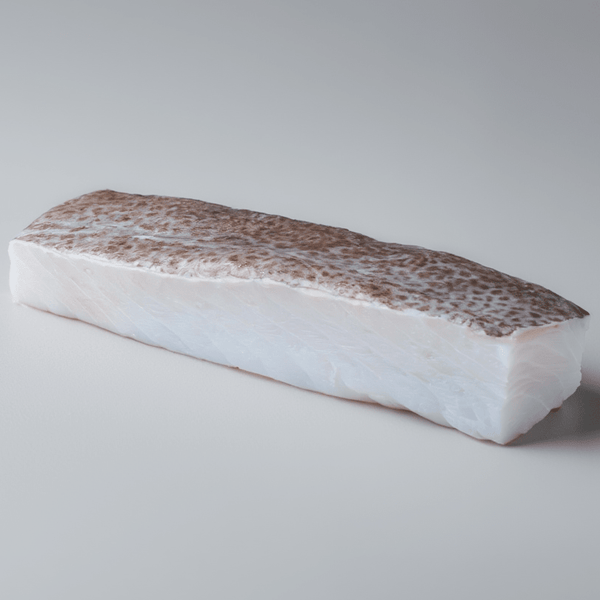
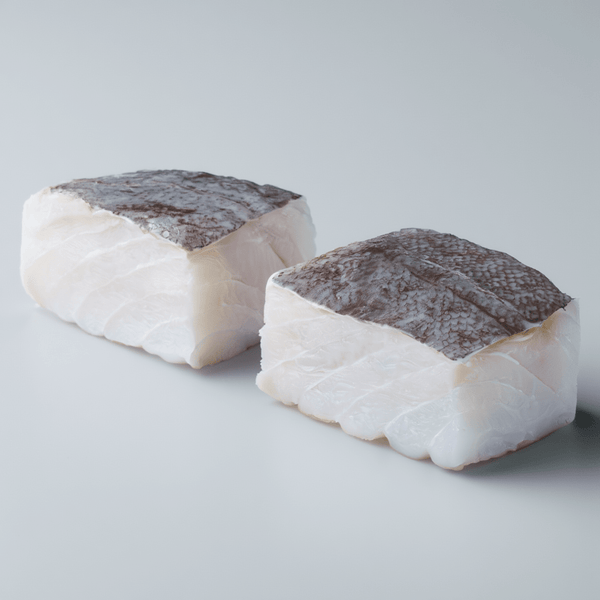
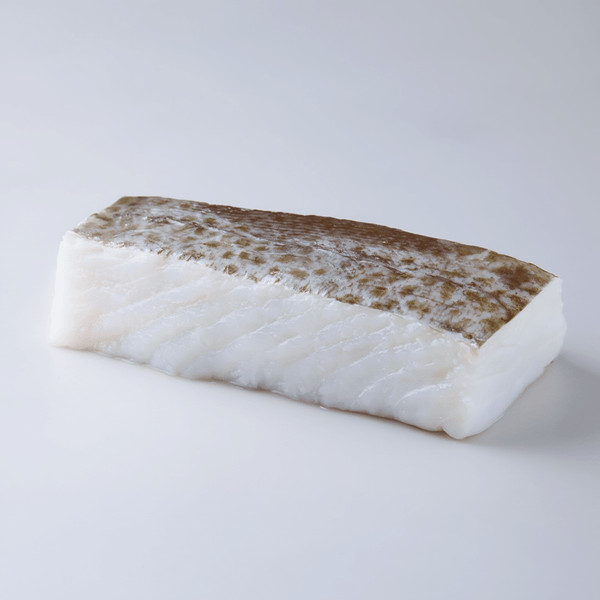
At our stall in Mercat del Ninot in Barcelona, we have been working with premium Icelandic cod since 1990. We know every cut and every texture, and we know that for a good escabeche, it is ideal to use desalinated cod loin: thick, juicy, and with just the right firmness to absorb the marinade without falling apart.
History of escabeche: from preservation method to gastronomic gem
The word escabeche comes from the Arabic sikbāŷ (also written iskebech), which in turn could derive from the Persian sekbā, an acidic stew with vinegar. The Arabs introduced this technique to the Iberian Peninsula during the Muslim occupation, and Hispanic cooks adopted and perfected it over the centuries.
Escabeche was born as a preservation method in an era without refrigeration. Vinegar, with its acidity, creates a hostile environment for bacteria, while olive oil seals the food and isolates it from the air. This combination allowed fish to be preserved for weeks or even months, something crucial for inland communities that did not have access to fresh fish.
During the Middle Ages, escabeche spread throughout the Iberian Peninsula. Monasteries adopted it as a regular preparation for days of fasting, and sailors carried it on their voyages as a source of durable protein. In fact, escabeches traveled with Spanish conquistadors to America, where the technique merged with local ingredients, giving rise to variants such as Peruvian ceviche (which shares an etymological root with escabeche).
In the 18th century, escabeche already appeared in major Spanish cookbooks as a consolidated dish. Juan de Altamiras, in his Nuevo Arte de Cocina (1745), includes several recipes for fish escabeche, and later, Ángel Muro in El Practicón (1894) detailed the technique with almost scientific precision.
Today, escabeche is experiencing a renaissance in high-end Spanish cuisine. Chefs like Quique Dacosta, Ricard Camarena, and the Roca brothers have recovered and reinterpreted this ancient technique, demonstrating that a dish born out of the need for preservation can also be a vehicle for extraordinary flavor.
Ingredients for pickled cod
For 4 servings
- 600 g desalinated cod loin (cut into 4 thick portions)
- 200 ml extra virgin olive oil
- 150 ml white wine vinegar (or Sherry vinegar for more complexity)
- 100 ml dry white wine
- 2 medium onions, thinly sliced into julienne
- 2 carrots, peeled and sliced into half-centimeter rounds
- 4 cloves garlic, peeled and lightly crushed
- 3 bay leaves
- 10 black peppercorns
- 1 teaspoon sweet paprika (de la Vera if possible)
- Flour for dredging the cod
- Salt and pepper
Optional aromatics
- 1 sprig fresh thyme
- 1 sprig rosemary
- 1 strip orange or lemon peel (outer part only, no white pith)
- 5-6 allspice berries
- 1 clove
Notes on ingredients
Cod: Desalinated cod loin is the ideal cut for escabeche. It is thick, compact, and perfectly maintains its shape during frying and marinating. If using dry cod, you need to desalt it beforehand for 48-72 hours in the refrigerator, changing the water every 8 hours. For this recipe, already desalinated cod will save you a lot of time and ensure a perfect salt level.
Vinegar: White wine vinegar is the most versatile. Sherry vinegar adds more complex notes and a hint of natural sweetness that enriches the escabeche. Avoid apple cider vinegar (too fruity) and balsamic vinegar (too sweet and dark). The quality of the vinegar matters: a good Sherry vinegar makes a noticeable difference.
Olive oil: Extra virgin but mild, of the Arbequina variety or similar. The oil will be infused with all the vegetables and spices, so you don't need a premium one, but it should be of good quality.
Related Cod Products


Step-by-step recipe
Step 1: Prepare the cod
If using pre-desalinated cod, dry it thoroughly with paper towels. Surface moisture will cause splattering when frying and a less crispy crust. Season lightly with salt and pepper (remember that desalinated cod already has some salt) and dredge each piece on both sides, shaking off any excess. The flour creates a thin layer that seals the fish and gives it texture, as well as helping to slightly thicken the escabeche.
Step 2: Fry the cod
Heat half of the olive oil (100 ml) in a large skillet over medium-high heat. When the oil is hot but not smoking, place the cod pieces skin-side down. Fry them for 2-3 minutes per side until golden brown but not fully cooked — they should remain juicy inside, as they will continue to cook in the escabeche.
Remove the cod and place it in a glass or ceramic dish (never metal, which reacts with vinegar). Reserve the oil from the pan.
Step 3: Prepare the escabeche vegetables
In the same pan with the cod frying oil, add the remaining oil (100 ml) and lower the heat to medium-low. Add the julienned onion and sliced carrot. Cook over low heat for 10-12 minutes, stirring occasionally, until the onion is translucent and the carrot begins to soften. We don't want them to brown too much: we are looking for gentle cooking that releases the natural sugars of the vegetables.
Add the crushed garlic and cook for 2 more minutes. The garlic provides background flavor without dominating — escabeche is a harmonious dish where all ingredients contribute.
Step 4: Add liquids and spices
Increase the heat to medium. Add the sweet paprika and stir quickly for 15-20 seconds — paprika burns easily and becomes bitter, so you must stir it constantly. Immediately after, pour in the vinegar and white wine. The contrast with the heat of the pan will cause it to bubble intensely: this is normal.
Add the bay leaves, black peppercorns, and, if using, thyme, rosemary, allspice, and clove. Let it simmer over medium heat for 8-10 minutes for the alcohol from the wine to evaporate and the flavors to meld. Taste and adjust salt if necessary.
Step 5: Marinate the cod
Pour the hot escabeche (vegetables, liquids, spices, and oil) over the reserved cod in the dish. The liquid should completely cover the fish portions. If not enough, you can add a little more vinegar and oil in equal parts.
Allow it to cool to room temperature for 30 minutes, uncovered. Then, cover with plastic wrap or a lid and refrigerate for a minimum of 6 hours, ideally 24 hours. The escabeche improves significantly with rest: the flavors meld, the vinegar mellows, and the cod absorbs all the aromatics.
Step 6: Serve
Cod escabeche can be served cold, at room temperature, or slightly warm. Never heat it over high heat or boil it — simply take it out of the refrigerator 30 minutes before serving or gently warm it over minimal heat without letting it bubble. Serve with the vegetables from the escabeche and good bread for dipping in the liquid.
Proportions of vinegar and wine: the key to balance
The proportion of vinegar, wine, and oil defines the character of an escabeche. Too much vinegar and the dish will be aggressively acidic; too little vinegar and it will lose its escabeche identity. These are the classic proportions and their variants:
Classic proportion (the one we use in this recipe)
- Oil : Vinegar : Wine = 4 : 3 : 2
- 200 ml oil + 150 ml vinegar + 100 ml wine
- Result: balanced, sweet and sour, aromatic. The standard of Spanish cuisine.
Mild proportion (for delicate palates)
- Oil : Vinegar : Wine = 3 : 1 : 1
- More oil, less acidity. Ideal if you use Sherry vinegar, which is already milder.
Intense proportion (preservation escabeche)
- Oil : Vinegar : Wine = 2 : 2 : 1
- More vinegar for greater acidity and preservation. This is the escabeche made by muleteers and fishermen to last for weeks.
A professional trick is to add a tablespoon of honey or brown sugar to the escabeche. It doesn't taste sweet, but it rounds out the acidity of the vinegar and adds a depth of flavor that elevates the dish. High-end chefs commonly use this technique.
The type of vinegar also greatly influences the result. White wine vinegar makes a clean and direct escabeche. Sherry vinegar brings complexity, with nutty notes and a hint of natural sweetness. Cider vinegar works well with fatty fish. And Modena or balsamic vinegar, while not traditional, is used in modern reinterpretations for a sweeter escabeche.
Serving cold vs. hot
Cod escabeche allows for two very different serving methods, and each has its advantages:
Serving cold or at room temperature
This is the most traditional way and, for many, the most authentic. Cold escabeche has the most defined flavors: the acidity of the vinegar is clearly perceived, the vegetables retain a certain crisp texture, and the oil provides richness without being heavy. It is ideal for warm months, as an appetizer or tapas dish, and is perfect for preparing in advance because it does not need to be heated.
To serve cold, take the escabeche out of the refrigerator 20-30 minutes beforehand. The ideal temperature is about 15-18°C: neither frozen (which kills the flavors) nor warm. Present the cod over the vegetables with a good drizzle of the escabeche liquid and a few fresh parsley leaves.
Serving hot or warm
Less common but equally delicious. Gently heating the escabeche intensifies the aromas, the oil becomes more fluid, and the cod regains a more tender and juicy texture. It is the ideal option for cold months, served as a main course with a side of boiled potatoes or white rice.
To warm the escabeche, place it over very low heat for 5-7 minutes, stirring carefully so as not to break the fish. Never boil it: the vinegar would evaporate, the fish would dry out, and you would lose all the charm of the dish. The idea is just to warm it, not to aggressively reheat it.
Variations and accompaniments
Escabeche with peppers
Add half a red and half a green pepper, cut into strips, along with the onion and carrot. The peppers add sweetness, color, and a texture that perfectly complements the cod. It is the most popular variant in Andalusia.
Escabeche with citrus
Add a few thin slices of orange or lemon to the already made escabeche. The citrus adds freshness and an aromatic counterpoint that modernizes the dish. It works especially well for cold service during the summer.
Escabeche with saffron
A few toasted saffron threads added to the escabeche give it a spectacular golden color and an earthy, floral flavor. This is the variant made in some areas of Castilla-La Mancha, where saffron is a local product.
Recommended accompaniments
- Country bread: Essential for dipping into the escabeche liquid. A bread with a crispy crust and dense crumb.
- Boiled potatoes: Sliced and served under the cod, they absorb the escabeche like a sponge.
- Green salad: Some lamb's lettuce or arugula with a light dressing to contrast with the intensity of the escabeche.
- Piquillo peppers: Roasted and served alongside, they complement without competing.
- Wine: A Fino or Manzanilla Sherry is the perfect pairing. A young white wine with acidity (Albariño, Verdejo) or even a light young red (Mencía, Garnacha) also works.
Preservation and shelf life of escabeche
One of the great virtues of escabeche is its natural preservation capacity. Vinegar acts as a preservative, oil seals the food, and spices provide antibacterial properties. Properly prepared and stored, cod escabeche lasts:
- In the refrigerator: 7-10 days without a problem, provided the fish is completely submerged in the liquid. From day 3-4, it reaches its best flavor.
- In an airtight jar: Up to 2-3 weeks if the jar is sterilized and the fish is completely covered by the liquid.
- Frozen: It is not advisable to freeze already made escabeche. The texture of the cod and vegetables deteriorates significantly upon thawing.
The trick for good preservation is to ensure that the cod is always covered by the escabeche liquid. If exposed to air, it will dry out and can develop unpleasant flavors. Use a glass or ceramic container — never metal — and always keep it covered in the refrigerator.
It is important to note that escabeche improves with rest. It is good on the first day, but the flavor reaches its peak between the second and fourth day, when all the ingredients have fully integrated. Many professional chefs prepare escabeche 2-3 days in advance precisely for this reason.
Frequently asked questions
What type of vinegar is best for pickled cod?
White wine vinegar is the most versatile and the one used in the classic recipe. Sherry vinegar adds more complexity and a touch of natural sweetness that enriches the dish. Avoid balsamic vinegar (too sweet and dark for a traditional pickle) and apple cider vinegar (too fruity). The quality of the vinegar matters a lot: a good sherry vinegar makes a noticeable difference in the final result.
How long should cod be marinated in pickle?
The minimum recommended is 6 hours, but the pickle reaches its best flavor between 24 and 72 hours of marinating. During that time, the flavors integrate, the acidity of the vinegar mellows, and the cod absorbs all the aromatics. You can serve it the same day, but if you can wait a day or two, the result will be noticeably superior.
Can you make pickle with unsalted dried cod?
No, unsalted dried cod would be excessively salty for a pickle. You must use cod that has already been desalted (which you can buy ready) or desalt the dried cod yourself by soaking it in cold water in the refrigerator for 48-72 hours, changing the water every 8 hours. Desalted cod saves you this process and ensures a perfect salt point.
Is the pickle served cold or hot?
Both options are valid. Serving it cold or at room temperature is the most traditional and highlights the flavors of the vinegar and spices. Serving it warm intensifies the aromas and gives the cod a juicier texture. In summer it is usually served cold and in winter warm. Never boil it when reheating, only heat it gently over low heat.
How long does pickled cod last in the refrigerator?
Properly prepared and stored in a glass or ceramic container with the fish completely submerged in the liquid, pickled cod lasts between 7 and 10 days in the refrigerator. In a sterilized airtight jar, it can last up to 2-3 weeks. Freezing is not recommended as the texture deteriorates.
Can I use shredded cod to make pickle?
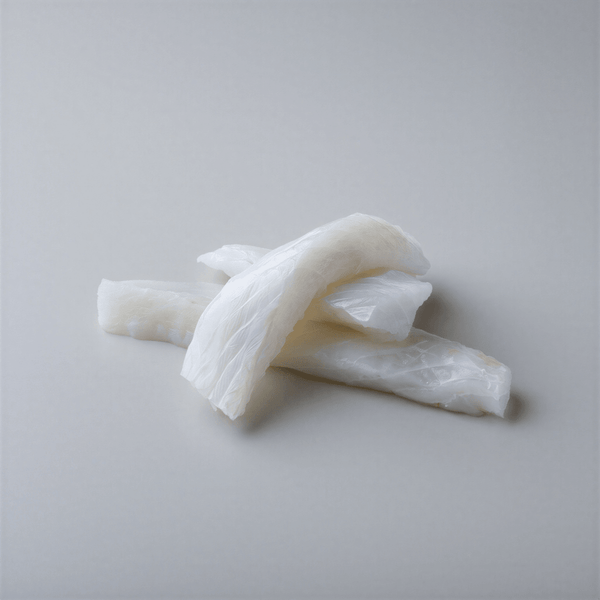
Yes, although the presentation will be different. Shredded pickled cod works very well as a filling for empanadas, for toasts, salads, or as a tapa. The technique is the same: you flour and lightly fry the shredded cod, and cover it with the pickle. The result is a more rustic but equally delicious pickle, perfect for using up shredded cod.
What is the origin of escabeche (pickle)?
The word escabeche comes from the Arabic sikbāŷ, possibly from the Persian sekbā. The Arabs introduced this technique to the Iberian Peninsula during the Muslim occupation. It was born as a preservation method in a time without refrigeration: vinegar prevents bacterial growth and oil seals the food. Today it is one of the most valued techniques in Spanish cuisine.
Discover our premium selection
Seafood products carefully selected since 1990 in Mercat del Ninot, Barcelona. Refrigerated shipping in 24-48h.
Conclusion
Pickled cod is one of those recipes that connect the past with the present of Spanish cuisine. Born from the need to preserve fish in a time without refrigeration, this ancient technique has shown that practicality and deliciousness can go hand in hand. The combination of firm, flavorful cod with the acidity of vinegar, the sweetness of caramelized vegetables, and the aroma of spices creates a complex, balanced, and deeply satisfying dish.
The key to success lies in respecting three principles: good cod (thick, well-desalted loin), the correct proportions of vinegar and oil, and patience to let the marinade work its magic. It's not a difficult dish, but it does require attention to detail and, above all, resting time. A rushed escabeche is a mediocre escabeche; a two-day escabeche is a gastronomic revelation.
We encourage you to experiment with variations: try sherry vinegar instead of white wine vinegar, add citrus for freshness, or a touch of saffron for a spectacular golden color. And don't forget the bread — a good piece of rustic bread dipped in the escabeche liquid is, possibly, one of the simplest and most gratifying pleasures of Spanish cuisine.
Products that might interest you
Discover more