

Cod with romeritos, known in Mexico as revoltijo de romeritos, is one of the most emblematic dishes of Christmas and Lenten cuisine in the center of the country. It combines romeritos—a wild vegetable similar in appearance to rosemary—with a thick mole, dried shrimp patties, nopales, and potatoes, and often stewed desalted cod. The result is a festive, complex dish deeply rooted in Mexican tradition.
In this guide, we explain exactly what romeritos and revoltijo are, why it’s a dish so closely tied to Christmas and Holy Week, what cod to use and how to properly desalt it, and how to prepare it step-by-step with all its components. As we at Mercat del Ninot have been working with salted cod since 1990, we know that the secret to any recipe starts with good raw ingredients and correct desalting.
What are romeritos and revoltijo
Romeritos (Suaeda, also called sea romeritos or quelites) are an edible wild plant with thin, fleshy stems that visually resemble rosemary sprigs, although they have no relation or flavor to that aromatic herb. They grow in saline soils in the Valley of Mexico and other areas of the country, and their flavor is vegetal, slightly acidic, and mineral, similar to spinach or watercress.
The dish that features them as the main ingredient is called revoltijo precisely because it "stirs" or mixes several elements in a single pot:
- Boiled and cleaned romeritos, the green base of the dish.
- Mole (usually red or poblano mole) which gives body and depth.
- Fluffy dried shrimp patties, made with ground dried shrimp and egg.
- Cooked nopales, in strips or small squares.
- Cooked potatoes, which add substance.
- Stewed desalted cod, in the most festive and complete version.
Not all families include cod: in many homes, revoltijo is made only with romeritos, mole, and shrimp patties. But the version with cod is the richest and is reserved for special occasions, uniting the Atlantic salted cod tradition with native Mexican ingredients.
A Mexican Christmas and Lenten Dish
Romeritos revoltijo with cod is, above all, a celebration dish. It is prepared mainly at two times of the year:
- Christmas and New Year, when it appears on the table alongside turkey, pozole, or tamales.
- Lent and Holy Week, a time when salted cod replaces meat and revoltijo becomes a quintessential fasting dish.
Its origin blends pre-Hispanic heritage—romeritos, nopales, and dried shrimp were already consumed in ancient Mexico—with ingredients brought after colonization, such as salted cod. This fusion is what makes revoltijo such a special dish: indigenous cuisine and the Atlantic tradition of cod coexist in the same pot, just as in other mestizo recipes from the Caribbean and Latin America.
What cod to use and how to desalt it
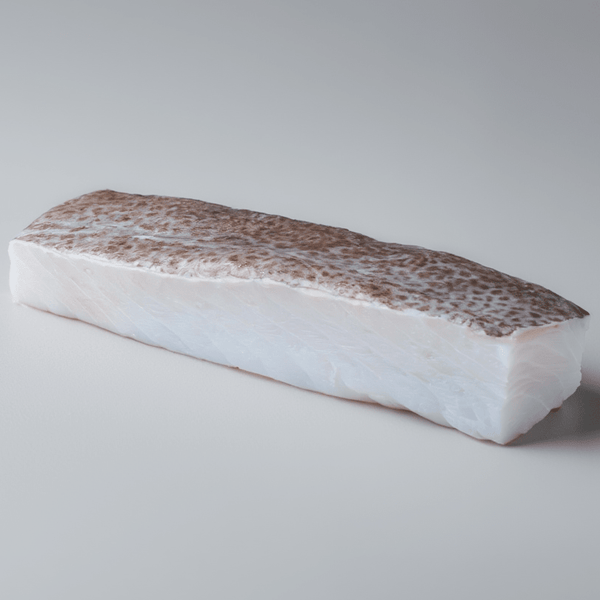
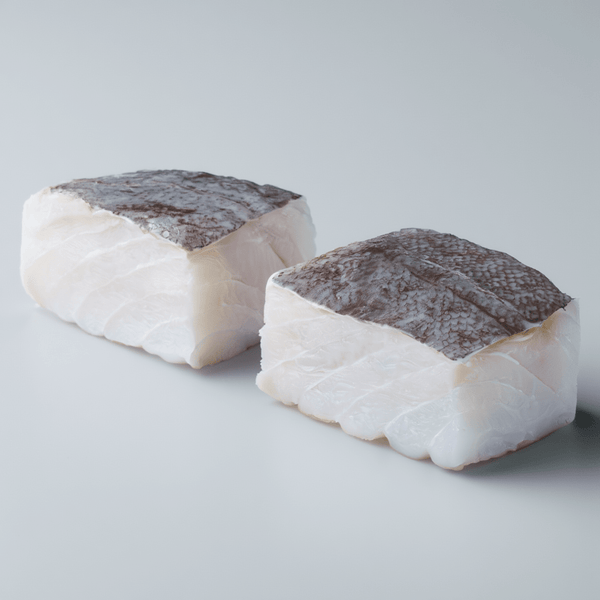
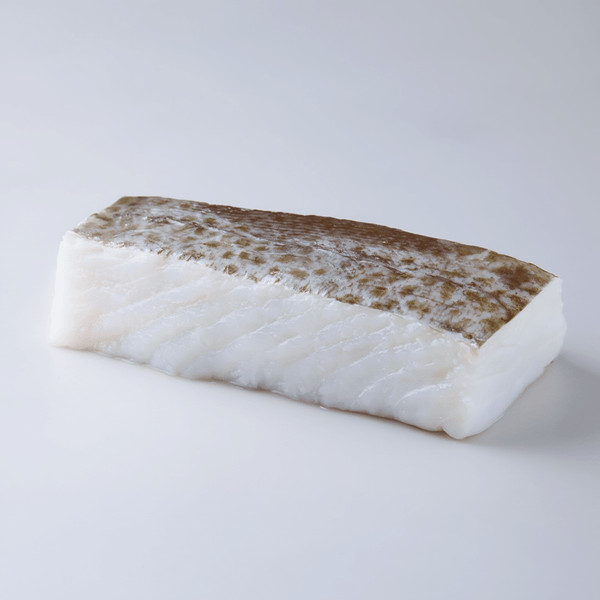
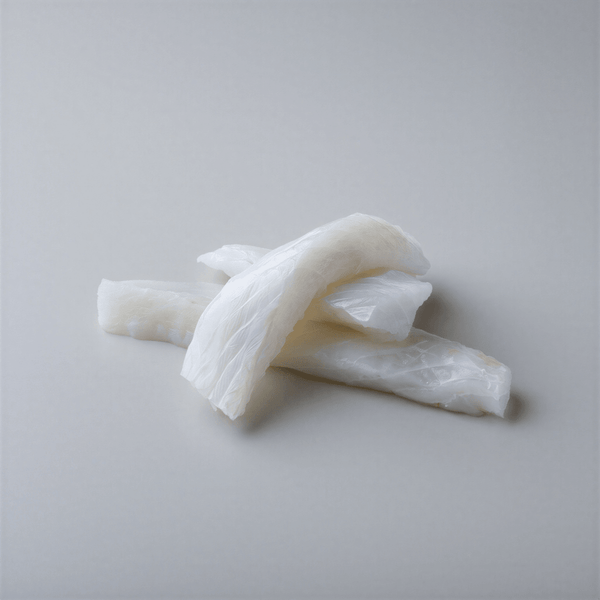
For revoltijo, look for good quality dried salted cod, preferably in flakes or small pieces, because in this dish the cod is shredded and integrated into the mole. Loin also works if you prefer it in firmer flakes. Avoid industrial desalted cod packaged in water, which loses flavor and texture. In our selection of desalted and salted cod, you will find pieces prepared with care for stewing.
How to desalt cod step by step
- Rinse the pieces under the tap to remove superficial salt.
- Submerge the cod in plenty of cold water, skin side up, in the refrigerator.
- Change the water every 6-8 hours. A thick loin needs between 36 and 48 hours; flakes, 24 hours is usually enough.
- Check the salt level by tasting a corner before cooking: it should be flavorful, not bland or too salty.
If you want to master the exact timings according to the thickness of the piece, we recommend reading our complete guide to desalting cod, where we explain the 4, 24, and 48-hour methods in detail. If you are in a hurry, we also have a quick desalting technique to get it done in less time.
Ingredients (4-6 servings)
For the romeritos and vegetables:
- 500 g romeritos, clean and free of tough stems
- 300 g nopales, in strips or small squares, already cooked
- 3 medium potatoes, peeled, cooked, and diced
- 400 g salted cod, already desalted and shredded or in pieces
For the shrimp patties:
- 100 g ground dried shrimp (powder)
- 3 eggs (whites and yolks separated)
- Oil for frying
For the mole:
- 150 g red or poblano mole paste (good quality)
- 500-750 ml vegetable broth or romerito cooking water
- 1 teaspoon sugar (optional, to balance)
- Salt to taste (with caution, due to the cod)
Step-by-step preparation
1. Clean and cook the romeritos
Wash the romeritos very well and remove the thickest, woodiest stems, leaving only the tender sprigs. This is the most laborious part of the dish, so be patient. Boil them in water with a pinch of salt for 8 to 10 minutes, until tender but still green. Drain them and reserve some of the cooking water for the mole. If the romeritos release too much bitterness, change the water halfway through cooking.
2. Prepare the shrimp patties
Beat the egg whites until stiff peaks form and, without stopping beating, incorporate the yolks one by one. Add the ground dried shrimp with gentle, folding movements until a fluffy mixture is obtained. Heat oil in a pan and fry small portions of the mixture, forming patties, until golden brown on both sides. Drain them on paper towels. These patties will give a marine flavor and texture to the revoltijo.
3. Make the mole
Dissolve the mole paste in hot broth or the romerito cooking water, stirring over low heat until a homogeneous, slightly thick sauce is obtained. Adjust the sweetness with a pinch of sugar if desired and carefully correct the salt, remembering that the cod already provides saltiness. Cook over low heat for 10 minutes for the mole to concentrate its flavor.
4. Stew the cod and assemble the revoltijo
Add the desalted cod, nopales, and cooked potatoes to the mole, and let everything simmer over medium-low heat for 8 to 10 minutes for the flavors to meld. Add the cooked romeritos and shrimp patties (whole or broken), and cook for 5 more minutes gently so that the patties absorb the mole without falling apart completely. Taste, adjust seasoning, and serve hot.
Regional variations
Revoltijo without cod
The simplest and most economical version omits cod and is made only with romeritos, mole, shrimp patties, nopales, and potatoes. It is equally traditional and very common in Mexican homes during Lent.
With mole poblano or homemade mole
Although many families use commercial mole paste for convenience, the most elaborate versions start with a homemade mole poblano with ancho, mulato, and pasilla chilies, chocolate, and spices. The type of mole completely changes the character of the dish, from a sweeter and more velvety one to a spicier and earthier one.
Tips for a perfect result
- Clean the romeritos well: remove all tough stems; woody ones are fibrous and unpleasant.
- Desalt the cod to its point: it's better to under-desalt and adjust salt at the end, never the other way around.
- Fluffy patties: whip the egg whites well and add the shrimp with gentle movements so they don't deflate.
- Mole with body, not too thick: it should coat the ingredients without becoming a paste; adjust with broth.
- Resting: revoltijo gains flavor if it rests for a few minutes before serving, and it's even better the next day.
Accompaniment and pairing
Romeritos revoltijo with cod is traditionally served with warm corn tortillas for scooping and dipping in the mole. At a Christmas table, it coexists with turkey, Christmas Eve salad, punch, and other seasonal classics. For drinks, it pairs well with a light beer, a refreshing jamaica water, or a young, fruity red wine that doesn't compete with the intensity of the mole. If you're looking for more ideas to use desalted cod, check out our quick and easy recipes with desalted cod.
Frequently asked questions
What are romeritos and what do they taste like?
Romeritos are a wild vegetable with thin, fleshy stems that grows in saline soils in Mexico. Despite their visual resemblance to rosemary, they are not related to that herb: their flavor is vegetal, mineral, and slightly acidic, similar to spinach or watercress.
Why is it called revoltijo?
It is called revoltijo because the dish "stirs" or mixes several elements in a single pot: romeritos, mole, dried shrimp patties, nopales, potatoes, and, in its festive version, desalted cod. It is a dish of mestizo origin that combines pre-Hispanic and Atlantic ingredients.
What cod is best for romeritos revoltijo?
Ideally, good quality dried salted cod, in flakes or small pieces, because in this dish it is shredded and integrated into the mole. Avoid industrial desalted cod packaged in water, which loses flavor and texture.
How long do you have to desalt cod?
It depends on the thickness: flakes usually need about 24 hours and thick loins between 36 and 48 hours, changing the water every 6-8 hours in the refrigerator. Taste a corner before cooking to adjust the salt level.
Can I prepare revoltijo in advance?
Yes. In fact, it gains flavor if it rests and is usually better the next day. You can have the cooked romeritos, fried patties, and desalted cod ready the day before, and assemble the dish with the mole just before serving.