Summary: Cod with pisto is the perfect combination of protein and vegetables: a juicy loin over a bed of zucchini, bell pepper, tomato, and onion sautéed Manchego style. Healthy, colorful, flavorful, and ready in 30 minutes. The weekday dinner that always works.
Content
Cod and Pisto: The Ideal Combination
Manchego pisto is one of the most flavorful vegetable preparations in Spanish cuisine: zucchini, bell pepper, tomato, and onion slowly simmered until each vegetable contributes its sweetness and texture. Adding a cod loin on top transforms a vegetable dish into a complete meal, high in protein, low in calories, and full of flavor.
Ingredients for 4 people
For the pisto
- 2 zucchinis, diced medium
- 2 red bell peppers, diced
- 1 green bell pepper, diced
- 1 eggplant, diced (optional)
- 2 onions, chopped
- 3 ripe tomatoes, grated
- 3 cloves garlic, minced
- Extra virgin olive oil, salt, pepper
For the cod
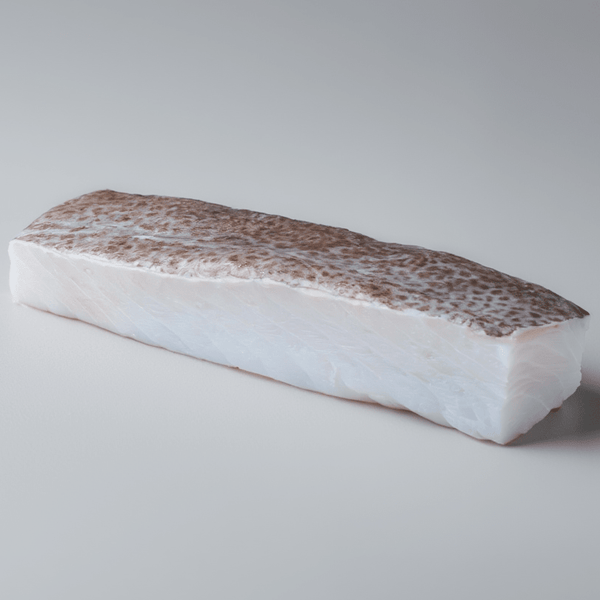
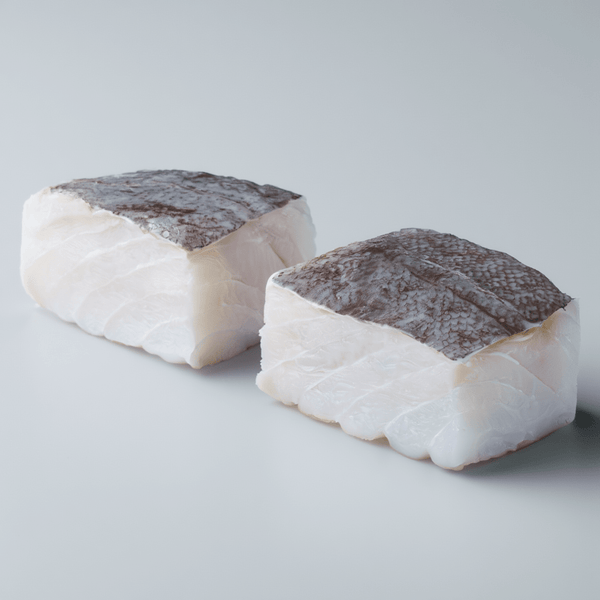
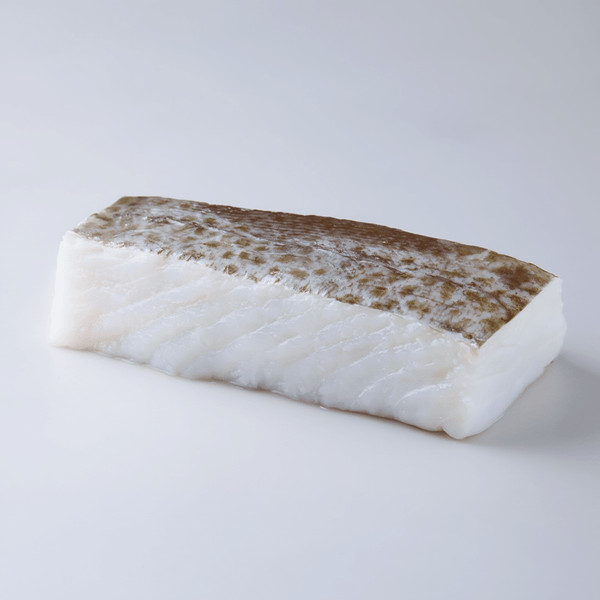
- 4 desalted cod loins (200 g each)
- Olive oil and salt
Step-by-step recipe
- Prepare the pisto: In a large pan with generous oil, sauté the onion for 10 minutes. Add the bell peppers and cook for 8 minutes. Add the zucchini (and eggplant if using) and cook for 5 minutes. Stir in the garlic, grated tomato, and season. Cook everything together for another 10 minutes over medium-low heat until the vegetables are tender and the tomato is well integrated.
- Cook the cod: While the pisto finishes, heat a pan with a drizzle of oil. Sear the cod loins for 3-4 minutes on the flesh side and 2 minutes on the skin side. Alternative: bake at 200°C for 12-15 minutes.
- Assemble the dish: Serve a generous bed of pisto on each plate, place the cod loin on top, and drizzle with extra virgin olive oil.
Related Cod Products


Recommended Products

Natural Cod Liver Foie Gras - 120g | Smoked C...
3,90 €

CHATKA Wild King Crab 60% Legs 40% Shredded | ...
95,00 €

Hand-cut Smoked Cod Carpaccio | 1 Tray Pack
15,90 €

Dried Cod Cheeks (1 tray) - 500g
19,95 €
Refrigerated shipping 24-48h throughout the Peninsula
Variations
- With egg: Add a fried egg on top of the cod. The runny yolk mixed with the pisto is extraordinary.
- Baked all together: Place the pisto in a baking dish, the loins on top, and bake for 20 minutes at 190°C. Easier, fewer dishes.
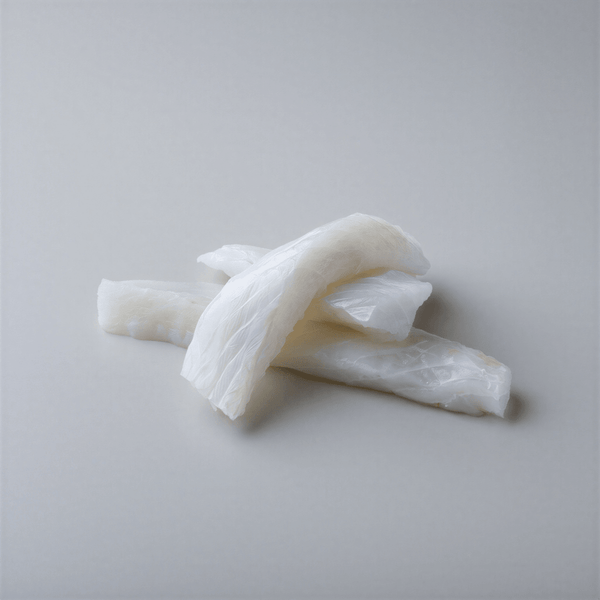
- With shredded cod: Mix the shredded cod directly with the pisto. More rustic and perfect to serve with bread.
🛒 Products mentioned in this article
⭐ 4.9/5 · Chilled delivery 24-48h · Since 1990 at Mercat del Ninot
Frequently Asked Questions
Manchego Origin: The History of Pisto
Manchego pisto has roots dating back to the 16th century, when products from America — especially tomatoes and bell peppers — transformed Spanish cuisine. In La Mancha, a land of orchards and agriculture, these ingredients found their ideal climate and became integrated into a humble but powerful dish: pisto.
Originally, pisto was a meal for laborers and shepherds: seasonal vegetables slowly stewed with local olive oil. The combination with cod arose naturally on Lenten Fridays, when the Church prohibited meat consumption and salted cod was the most accessible protein in inland Spain.
Today, cod with pisto is a dish that unites two Spanish culinary traditions — the preservation of cod in salt and the resourceful Manchego cuisine — resulting in a dish that far exceeds the sum of its parts.
How to choose vegetables: freshness and seasonality
The quality of the pisto depends directly on the vegetables you use. These are the criteria for each ingredient:
- Tomatoes: Use ripe, in-season tomatoes (June-October). Pear tomatoes are ideal for their pulp/water ratio. Out of season, a good canned crushed tomato works better than a bland greenhouse tomato.
- Bell peppers: Mix red and green to balance sweetness and freshness. Bell peppers should be firm, shiny, and wrinkle-free. Italian peppers (Lamuyo type) are perfect for pisto.
- Zucchini: Choose small, firm pieces (no more than 20 cm). Large zucchinis have more seeds and water, which dilutes the flavor of the pisto.
- Onion: Sweet onion or Fuentes de Ebro onion are the best options. Cut it into small, uniform cubes so it blends well.
- Eggplant: Optional but recommended. Dice it and salt it 20 minutes beforehand to draw out bitterness. Pat dry with paper towels before adding to the sauté.
The golden rule is to cook each vegetable separately or add them in order of hardness (onion → bell pepper → eggplant → zucchini → tomato). This way, each maintains its point and texture, instead of everything becoming a uniform mass.
Step-by-step preparation of the perfect pisto
- Confit the onion (15 min): In a large pan with plenty of extra virgin olive oil, sauté the onion over low heat until transparent and sweet. Take your time.
- Add the bell peppers (10 min): Add the diced bell peppers and slightly increase the heat. Cook until tender but with some texture.
- Eggplant and zucchini (8-10 min): Add both and cook, stirring occasionally. Do not add more oil even if it seems dry — eggplant quickly releases liquid.
- The tomato (15-20 min): Grate the tomatoes directly into the pan and lower the heat. Cook until the water evaporates and the tomato acquires a dark, intense color. This step is crucial — a pisto with raw tomato cannot compare to one that is well-sautéed.
- The cod: While the pisto finishes, lightly brown the pieces of desalted cod in another pan with hot oil, 2-3 minutes per side. Place over the pisto and serve.
Pairing: Wines from La Mancha and beyond
Manchego pisto calls for a wine from its region:
- Young Airén (D.O. La Mancha): The quintessential regional pairing. Fresh, fruity, and with just the right acidity for the tomato.
- Verdejo (D.O. Rueda): More aromatic, with herbaceous notes that connect with the pisto vegetables.
- Garnacha rosé (D.O. Navarra): If you prefer rosé, Garnacha has enough body for the pisto without competing with the cod.
- Young Mencía (D.O. Bierzo): For red wine lovers, a young and fresh Mencía served slightly chilled (14°C) works surprisingly well.
Seasonal variations and leftover tips
Pisto is a living dish that adapts to the calendar:
- Spring: Replace zucchini with wild asparagus and tender broad beans. The result is fresher and greener.
- Summer: The classic version, with all vegetables at their optimal ripeness.
- Autumn: Add diced pumpkin to the pisto. It provides sweetness and a spectacular orange color.
- Winter: A more robust version with roasted bell peppers instead of raw, and a touch of pimentón de la Vera.
Leftover tip: Leftover pisto is the perfect base for huevos a la flamenca the next day. You can also use it as a filling for empanadillas or as a base for homemade pizza.
For this recipe, we recommend Icelandic cod fillets, whose firm texture and clean flavor contrast wonderfully with the intensity of the pisto.
Frequently Asked Questions about Cod with Pisto
Can pisto be made in advance?
Yes, and in fact, it improves. Pisto gains flavor if prepared the day before and reheated gently. Cod, on the other hand, should be cooked just before serving. Prepare the pisto, store it in the refrigerator, and heat it while you sear the cod fillets right before serving.
Which cut of cod is best for this recipe?
Thick cuts from the central loin are ideal: they maintain their shape when seared and don't fall apart over the pisto. Avoid cod tips or flakes — they become too dry. A 150-180g portion per person is the perfect amount.
What is the difference between pisto and ratatouille?
Although they use similar ingredients, the technique is different. In Manchego pisto, the vegetables are cooked together progressively to form an integrated whole. In French ratatouille, traditionally each vegetable is cooked separately and assembled at the end. Additionally, pisto contains proportionally more tomato and olive oil.
Can I add an egg to cod with pisto?
Of course! It's a very popular variation. Place the cod fillets over the pisto, make indentations with a spoon, and crack an egg into each. Cover the pan and cook for 4-5 minutes until the whites are set but the yolk remains runny. It's almost a different dish, heartier and perfect for dinner.
Is cod with pisto suitable for freezing?
Pisto alone freezes perfectly (up to 3 months). However, cod loses texture when frozen after being cooked. The best strategy is to freeze the pisto in portions and cook fresh cod when you are ready to consume it.