

Summary: Grandma's clams marinara are prepared with a slow sauté of onion and garlic, white wine, a touch of flour to thicken the sauce, and plenty of fresh parsley. The difference with the modern version lies in patience: a low and slow sauté, clams cooked just right, and a sauce that thickens unhurriedly. In 25 minutes, you have a dish that tastes like real home cooking.
Grandma's recipe vs. modern version
When you search for "almejas a la marinera" (clams marinara), you'll find dozens of versions. Many are quick: garlic, wine, clams, and done. They work, but they're not what Galician and Cantabrian grandmothers used to make.
Grandma's traditional recipe has key differences:
- Slow sauté with onion: Modern versions often omit the onion. Grandma would slowly poach it over low heat for 15 minutes. That natural sweetness is the base.
- Flour to thicken: A pinch of flour that thickens the sauce without making it heavy. It's the trick to give the sauce body and make it cling to the bread.
- Sweet paprika: Many modern versions skip it. Grandma would add half a teaspoon that gave color and depth.
- No rush: Grandma didn't open the clams "in 2 minutes on high heat." She cooked them over medium heat, covered, so they would slowly release their juices and the sauce would integrate.
If you're looking for the more modern version with white wine and garlic, we also have the clams marinara with white wine recipe. But today, we're going with Grandma's.
Ingredients for 4 people
- 1 kg of fresh clams (Japanese or fine, purged)
- 1 medium onion, very finely chopped
- 3 cloves of garlic, sliced
- 150 ml dry white wine
- 1 tablespoon flour
- 1 teaspoon sweet paprika from La Vera
- 1 bay leaf
- Plenty of fresh parsley, chopped
- Extra virgin olive oil
- Salt
- Dried chili pepper (optional — Grandma sometimes added it)
Step-by-step preparation
Step 1: Purge the clams. Submerge the clams in cold salted water (30g per liter) for 2-3 hours to allow them to expel sand. Change the water once halfway through. Rinse well before cooking.
Step 2: Slow sauté (10 min). In a clay pot or large skillet, heat 3 tablespoons of olive oil over medium-low heat. Add the finely chopped onion and bay leaf. Poach slowly for 10-12 minutes until the onion is translucent and sweet. In the last 2 minutes, add the sliced garlic and the chili pepper if using.
Step 3: Paprika and flour (1 min). Remove from heat for 10 seconds. Add the sweet paprika and the tablespoon of flour. Stir quickly to prevent the paprika from burning (it will become bitter). Return to low heat and sauté for 30 seconds.
Step 4: Wine and reduction (3 min). Increase heat to medium and pour in the white wine. Stir well to incorporate the flour. Reduce for 2-3 minutes until the alcohol evaporates and the sauce thickens slightly.
Step 5: The clams (5 min). Add the drained clams. Stir to coat them with the sauce. Cover and cook over medium heat for 4-5 minutes, shaking the pot occasionally. The clams are ready when they open.
Step 6: Parsley and serve. Remove from heat. Discard any unopened clams. Sprinkle with plenty of fresh parsley. Serve immediately in the same pot with crusty bread for dipping.
How to properly purge clams
Purging is essential if you don't want to bite into sand. Salt mimics seawater and makes the clam open and close its shells, expelling accumulated sand.
- Fill a large bowl with cold water. Add 30g of salt per liter (2 tablespoons per liter).
- Submerge the clams. Don't crowd them — they need space.
- Leave for 2-3 hours at room temperature or in the refrigerator if it's warm.
- Change the water with fresh salt halfway through the process.
- Rinse under the tap, gently rubbing shell against shell.
For a complete guide to this process, check out our article how to purge clams: method, times, and tricks.
Grandma's tricks for clams marinara
- Clay pot: Grandma always used clay. It retains heat evenly, and the dish arrives at the table hot.
- Do not overcook: Clams become rubbery if overcooked. As soon as they open, remove from heat.
- Bread is mandatory: The sauce of a good marinara is for dipping. Crusty country bread.
- Parsley at the end: Never in the sauté. Add it with the heat off to maintain color, freshness, and flavor.
- Shake, don't stir: Grandma would move the pot with a circular motion instead of using a spoon. This way, the clams don't break, and the sauce emulsifies better.
Which clams to use
| Type | Flavor | Price | For marinara |
|---|---|---|---|
| Fine clam (Galician) | Intense, sweet | High (30-60 EUR/kg) | Excellent but expensive |
| Japanese clam | Good, slightly less sweet | Medium (8-15 EUR/kg) | Best value for money |
| Warty clam | Mild | Low (5-10 EUR/kg) | Decent, less meaty |
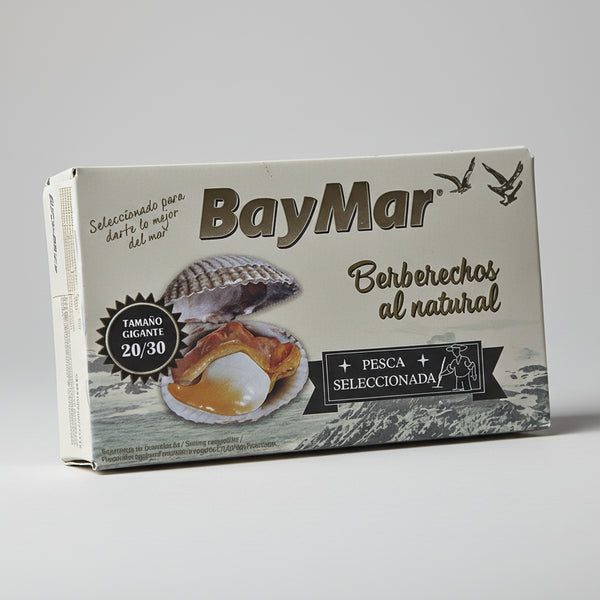
| Cockle | Intense sea flavor | Medium (10-18 EUR/kg) | Excellent alternative |
To learn about the differences in detail, consult our complete guide to clam types.
Ideal accompaniment
Grandma's clams marinara are served as a first course or a generous tapa. The best accompaniments:
- Country bread: Mandatory. Crispy crust, dense crumb. For the sauce.
- White wine: Albariño or Galician Godello. Ideally, the same wine you used for cooking.
- White rice: If serving as a main course, white rice on the side to absorb the sauce.
- Green salad: Something fresh to balance the intensity of the seafood.
Nutritional information (per serving, 250 g clams)
| Nutrient | Per serving |
|---|---|
| Calories | 180-220 kcal |
| Protein | 22 g |
| Fat | 8 g |
| Iron | 15 mg (107% RDI) |
Conclusion
Grandma's recipe isn't more complicated than the modern one — it just requires 10 more minutes of sautéing and a pinch of flour. These two details transform clams opened in wine into a dish with a sauce that clings to the bread, with depth and the flavor you remember from home.
Use Japanese clams if you don't want to spend a fortune, purge them well, don't overcook them, and have country bread on the table. It's that simple and that good.
Frequently asked questions
How long should clams be purged?
At least 2 hours in cold salted water (30g/liter). Ideally, 3 hours, changing the water halfway through. If using canned clams in natural brine, purging is not necessary.
Can I use frozen clams?
Yes, but thaw them in the refrigerator the night before. The texture will be slightly less firm than fresh ones. They don't need purging. Add them directly to the sauce without thawing for a juicier result.
What is the difference between Grandma's marinara and the modern version?
Grandma uses a slow sauté with onion, flour to thicken, and sweet paprika. The modern version is usually quicker: just garlic, wine, and parsley. Both are valid, but Grandma's has more body and depth of flavor.
Can it be made without wine?
Yes, substitute with fish broth or fumet. It won't be exactly the same, but it works. Another option is natural Asturian cider, which adds an interesting acidic touch.
How many clams per person?
As a tapa: 200-250g per person (with shell). As a main course: 350-400g. With 1kg for 4 people, it makes a generous tapa serving.
Can I reheat clams marinara?
You can, but it's not ideal. Reheat over low heat only until warm, without boiling, so the clams don't shrink. It's best to cook them just before serving.
What if some clams have sand?
If you purged them well, it's rare, but it can happen. If you find sand, strain the sauce with a fine sieve and pour it back over the clams before serving.
María José Sáez Pastor
More than 35 years selecting and preparing seafood products at Mercat del Ninot in Barcelona. She knows every recipe because she has cooked them all — and improves them with professional judgment.