

In summary: Scientific table with the top 30 free glutamate foods per 100g + the top 15 inosinate foods. Validated synergistic combinations (anchovy+parmesan, dashi+tuna). Data from Yamaguchi et al. (1996), Kurihara (2015), and Ninomiya (2002).
Table of contents
Top 30 foods by free glutamate (mg/100g)
Data compiled from Yamaguchi & Ninomiya (University of Tokyo 1996-2002), Kurihara (Nature Reviews 2015) and AESAN measurements:
- Konbu seaweed — 2,240 mg
- Parmigiano Reggiano 24m — 1,200 mg
- Dried porcini mushrooms — 1,140 mg
- Japanese soy sauce — 1,090 mg
- Dried mushroom — 1,060 mg
- Dried tomato — 650 mg
- Aged Manchego cheese — 520 mg
- Cantabrian anchovy — 480 mg
- Mojama (cured tuna loin) — 440 mg
- Bottarga — 380 mg
- Iberian acorn-fed ham — 350 mg
- Smoked sardine — 330 mg
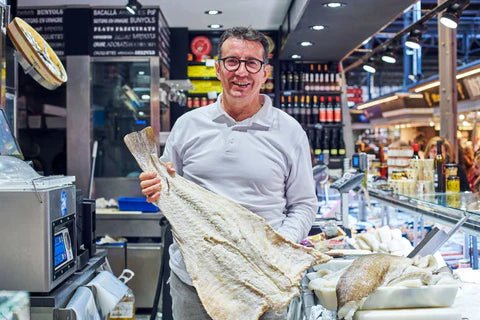
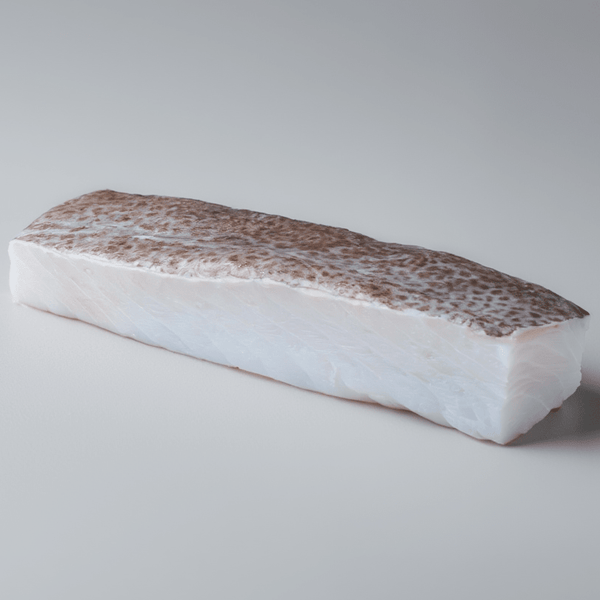
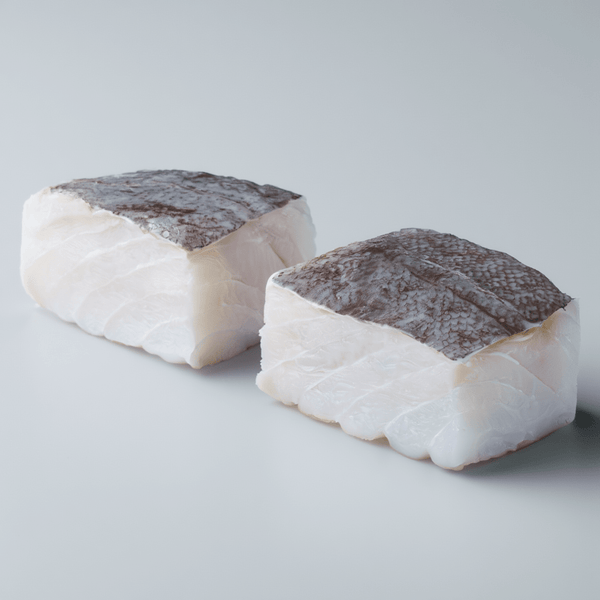
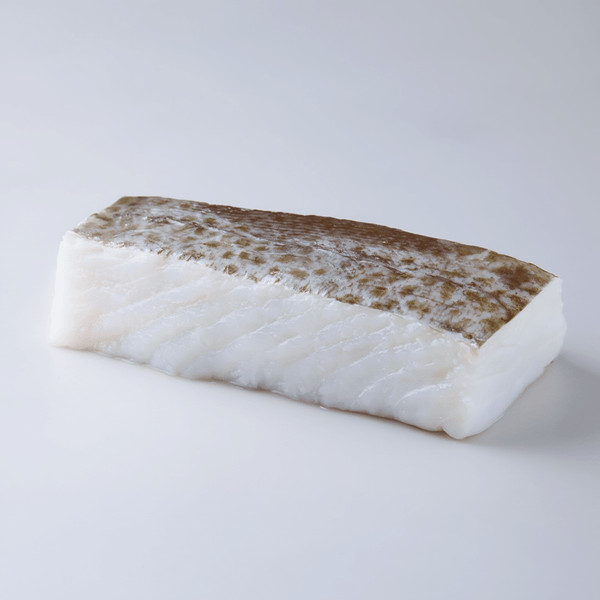
- Cured cod — 320 mg
- Thai fish sauce — 950 mg
- Miso paste — 780 mg
- Caviar (sturgeon) — 240 mg
- Fresh ripe tomato — 140 mg
- Sweet corn — 130 mg
- Smoked salmon — 100 mg
- Cooked chicken — 22 mg
- Cooked beef — 33 mg
Top foods by inosinate (synergistic multiplier)
Inosinate (IMP) does not contribute umami on its own but MULTIPLIES umami when combined with glutamate. This is why fish (high inosinate) + seaweed (high glutamate) = explosive dashi broth.
- Dried bonito (katsuobushi) — 1,300 mg/100g
- Dried tuna — 1,030 mg
- Dried sardine — 540 mg
- Mackerel — 215 mg
- Chicken — 185 mg
- Fresh tuna — 188 mg
This is why traditional dashi (konbu + katsuobushi) has such an intense umami profile: maximum glutamate from the seaweed + maximum inosinate from the dried bonito = exponential synergy.
Scientifically validated umami×2 combinations
| Combination | Theoretical intensity | Classic dish |
|---|---|---|
| Konbu + Katsuobushi | ×8 | Dashi broth |
| Tomato + Anchovy | ×7 | Bread with tomato and anchovy |
| Parmesan + Pasta + Tomato | ×7 | Pasta al pomodoro with cheese |
| Ham + Tomato | ×6 | Pa amb tomàquet with Iberian ham |
| Mushrooms + Chicken | ×6 | Chicken with mushrooms |
How to use this table in daily cooking
Three practical applications:
1. Partially replace salt: add 1 teaspoon of grated Parmesan cheese or 1 chopped anchovy before adding more salt. Deeper flavor, less sodium.
2. Create an "umami bomb" in 5 min: olive oil + 2 crushed anchovies + 1 teaspoon Parmesan cheese + 1/2 chopped dried tomato = umami base for pasta, roasted vegetables, toasted bread.
3. Dashi broth as a replacement for industrial cubes: 1L water + 1 piece konbu (10g) + 30g dried bonito. Boil for 3 min. Strain. Use in soups, risottos, sauces. Superior flavor to industrial cubes without added glutamate.
Frequently asked questions
Is it safe to consume many umami foods?
What is the most cost-effective umami combination?
Why do cured/fermented foods have more umami?
Do fresh or dried mushrooms have more umami?
Vegetables with more umami?
Does umami flavor vegetarian/vegan products?
To conclude
This table is the most useful tool you'll have to improve the flavor of your dishes. Print the top 10 figures on a note in your kitchen and use it when you feel a dish "is missing something." Almost always, what's missing is umami. Premium cured fish and Cantabrian anchovies are the most versatile and long-lasting umami sources to always have in your pantry.