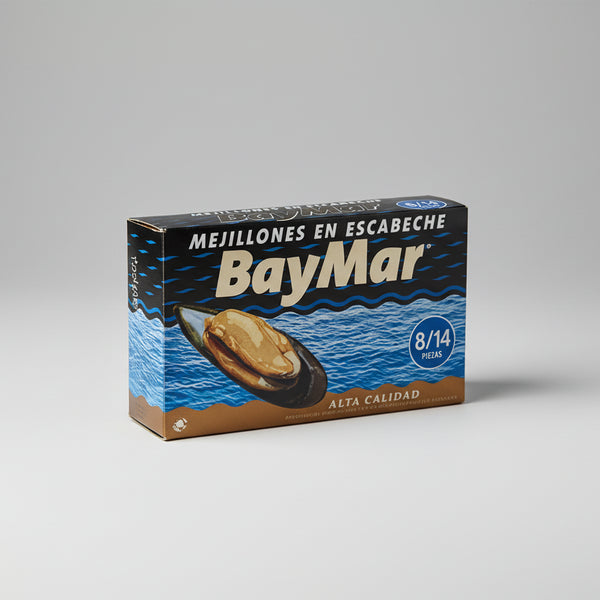


Quick summary: The oil in canned goods is not just a preservation medium—it's an active ingredient that affects the flavor, texture, and gastronomic experience of the product. The difference between canned goods in sunflower oil, refined olive oil, and EVOO is enormous. And what the label says is not always as clear as it seems. In this article, we teach you how to read canned food labels with real discernment.
The three oils in canned goods: what they really are
When a canned product says "in oil", it can refer to three very different products from a gastronomic and nutritional point of view:
Sunflower oil: the cheapest. It is a refined oil from sunflower seeds, neutral in taste and aroma. It adds nothing to the final product beyond the basic function of preservation and lubrication. It is the standard oil for the most economical canned goods.
Olive oil (unspecified): when the label just says "olive oil" without adding "virgin" or "extra virgin", it refers to refined olive oil. This oil is obtained by refining lampante olive oil (not suitable for direct consumption) through chemical and physical processes that eliminate defects, but also remove most of the aromatic and antioxidant compounds. It tastes like very little.
Extra virgin olive oil (EVOO): oil obtained exclusively by mechanical means, without refining. It retains all its polyphenols, antioxidants, and aromatic compounds. It has flavor (fruity, bitter, spicy in varying intensities depending on the olive variety). It is the oil used in premium canned goods and the one that makes the biggest difference.
A key fact: the cost difference between sunflower oil and EVOO can be 5-10x per liter. In a can of preserved food, oil accounts for between 30-45% of the net weight. This explains why EVOO canned goods are significantly more expensive—it's not just the fish, it's also the oil.

How oil affects the flavor of canned goods
The oil in a canned product is not a passive element. During the months (or years) the product is in the can, a flavor exchange occurs between the fish and the oil. It is a bidirectional infusion process:
With sunflower oil: the oil absorbs some flavor from the fish but contributes nothing in return. The result is fish that tastes like fish and oil that tastes like stale fish. The oil is discarded without hesitation.
With refined olive oil: similar to sunflower but with a minimum of character. The exchange of flavors is limited because refined oil has little to offer. Better than sunflower, but far from EVOO.
With EVOO: this is where the magic happens. The compounds in EVOO (oleocanthal, polyphenols, phenolic compounds) interact with the proteins and fats of the fish during maturation. The fish acquires notes from the oil and the oil acquires notes from the fish. The result is a synergy where the total is more than the sum of the parts. This oil is eaten—it is part of the product.
Artisanal canned goods with EVOO are designed for this exchange: they select the variety of oil that best complements each type of fish. Arbequina (mild, sweet) for tuna belly and delicate fish. Picual (intense, bitter) for sardines and more robust products. Hojiblanca (balanced) as a versatile option.
Learn to read the label: what it says and what it hides
Canned food labels can be misleading for the uninformed consumer. Here's what you need to know:
"In oil": can be any oil—sunflower, refined olive, vegetable. If not specified, assume the cheapest.
"In olive oil": refined olive oil. The law allows this designation for oil that has been refined. It is NOT extra virgin.
"In extra virgin olive oil": this is the designation that guarantees real EVOO. If it says exactly this, the oil used must meet EVOO standards (acidity <0.8%, zero defects).
"In vegetable oil": can be any vegetable oil—sunflower, soybean, rapeseed, or a blend. The most economical and least informative option.
The ingredient order trick: in the ingredients list, the order indicates proportion (from highest to lowest). If "olive oil" appears before the fish, there is more oil than fish in the can. In quality canned goods, fish is always the first ingredient.

Comparison table: canned goods by oil type
| Characteristic | Sunflower oil | Olive oil (refined) | EVOO |
|---|---|---|---|
| Oil flavor | Neutral (none) | Minimal | Fruity, bitter, spicy |
| Interaction with fish | None | Minimal | Bidirectional synergy |
| Polyphenols | No | Very few | Yes (antioxidants) |
| Is the oil eaten? | Discarded | Can be used | Eaten (it's part of the product) |
| Maturation | Does not improve with time | Slightly improves | Significantly improves |
| Cost of oil/liter | €1-2 | €3-5 | €6-15 |
| Extra nutritional value | Omega-6 (excess) | Oleic acid (good) | Oleic + polyphenols + vitamin E |
Is the oil in canned goods for eating or discarding?
This question best summarizes the difference between a cheap canned product and a premium one.
If you discard the oil from a canned product, the product is not good. It's that simple. In a quality canned product with EVOO, the oil is an integral part of the product. It has absorbed flavors from the fish, contributed its own aromatic compounds, and has its own gastronomic and nutritional value.
What to do with the oil from good canned goods?
- Dip bread: the classic option. Crystal bread or country bread with the oil from premium anchovies is a delight.
- Dress salads: the oil from a can of bonito del norte in EVOO is an exceptional dressing.
- Vinaigrette base: mixed with vinegar and mustard, it creates a vinaigrette with a marine depth.
- Pasta aglio e olio sea version: use oil from canned anchovies or tuna as a base for a quick pasta dish.
If, upon opening a can, the oil smells bad, is cloudy, or is unappetizing, that says more about the canned product than the oil.
Preservation and maturation: the role of oil
Oil performs three functions in canned goods:
1. Barrier against oxidation: oil creates an anoxic (oxygen-free) environment that protects fish from oxidation. Both sunflower oil and EVOO fulfill this function. But EVOO has an additional advantage: its polyphenols are natural antioxidants that enhance protection.
2. Flavor transfer medium: fat-soluble compounds from fish (fats, aromas) dissolve in the oil and vice versa. The more complex the oil, the richer this exchange.
3. Maturation: artisanal canned goods in EVOO improve with time. Like wine, the interaction between ingredients over months creates new compounds that enrich the flavor. Canneries like Güeyu Mar produce "vintage editions" of aged canned goods. This does not happen with sunflower or refined oil.
Canned goods in selected EVOO
All Bacalalo canned goods use extra virgin olive oil. Anchovies, bonito, tuna belly—where the oil is part of the pleasure, not a filler.

The blind test: can you tell the difference?
The short answer is yes, absolutely, if you pay a minimum of attention.
Try this at home: buy three cans of tuna of the same format (loin) with three different types of oil. Open them, smell each one, and taste a piece of each as is, without bread or dressing. The differences will be obvious:
- The sunflower oil one will smell like generic "canned tuna". Simple, somewhat metallic flavor.
- The refined olive oil one will have a bit more body but without defined aromas.
- The EVOO one will have an olive and ripe fruit aroma, a more complex flavor, and a pleasant aftertaste.
The oil-only test is even more revealing: put a tablespoon of each oil on separate small plates and taste them with bread. You won't want to repeat the sunflower oil. The refined one will be tasteless. The EVOO from a good canned product will be a pleasure in itself.
Frequently asked questions
Are "olive oil" and "extra virgin olive oil" the same thing?
No. "Olive oil" (without further specification) is refined oil—chemically processed, without significant flavor or aroma. "Extra virgin olive oil" is oil obtained only by mechanical means, with all its aromatic and nutritional compounds intact. The difference in quality and flavor is enormous.
Are canned goods in sunflower oil bad?
They are not "bad" in terms of food safety. They are perfectly safe. But from a gastronomic point of view, sunflower oil adds nothing to the product. It is the most economical option and functionally fulfills preservation, but the flavor experience is inferior.
Why do some expensive canned goods not use EVOO?
There are well-known brands of canned goods that use "olive oil" (refined) despite having a high price. This is generally because the average consumer does not distinguish between designations, and the brand can maintain higher margins. Reading the label is the only protection for the informed consumer.
Does the EVOO in canned goods lose quality over time?
EVOO outside of canned goods degrades over time (oxidation, light, heat). But inside a hermetically sealed can (without oxygen or light), EVOO is preserved and evolves positively, interacting with the fish. It is an ideal preservation environment for the oil.
Are there canned goods with virgin olive oil (not extra)?
Few. The category "virgin olive oil" (with acidity between 0.8-2%) exists but is rarely used in canned goods. Typically, EVOO is used in premium products and refined olive oil in standard ones. If you see "virgin" without "extra," it is a decent oil but with some minor organoleptic defect.
🛒 Recommended products in this guide
⭐ 4.9/5 · 24-48h chilled delivery · Since 1990 at Mercat del Ninot
Conclusion
The oil matters. A lot. It's the difference between a canned product you open, drain, and eat out of obligation, and one you open, smell, taste, and dip bread into its oil with pleasure. Extra Virgin Olive Oil (EVOO) in a canned product is not a superfluous luxury — it's an ingredient that transforms the product.
Next time you buy a canned product, check the label. Not "in oil." Not "in olive oil." Look for "in extra virgin olive oil." That's the canned product that deserves your attention. It's not marketing — there are verifiable factors.