Acarreto is one of the most emblematic dishes of Galician cuisine: desalted cod with potatoes, onion, extra virgin olive oil and La Vera paprika, slow-cooked until a rich and irresistible sauce is achieved. In this complete guide, you'll discover its history, the step-by-step recipe for 4 people, the tricks that make all the difference, and the most popular variations. If you're looking for a hearty, Atlantic-inspired dish, acarreto is your answer.
What is Acarreto?
Updated March 2026. What we tell you here comes from serving thousands of customers in Barcelona.
Acarreto (also spelled acarreto gallego) is a traditional stew from Galician cuisine made with desalted cod, potatoes, onion, extra virgin olive oil, and paprika. Its name comes from the Galician word acarretar, meaning to transport or carry, referring to the muleteers and sailors who carried the basic ingredients to prepare this dish during their long working days.
Unlike other cod stews, acarreto is distinguished by its simple yet robust preparation: the ingredients are cooked together in the same pot, creating a thick and gelatinous sauce thanks to the combination of potato starch and the natural gelatin from the cod. The result is a dish humble in origin but extraordinarily flavorful, where every bite condenses centuries of Galician seafaring tradition.
The paprika—preferably sweet La Vera paprika—provides the characteristic reddish color and a smoky aroma that envelops the entire stew. It is, without exaggeration, one of those dishes that define Galicia's gastronomic identity as much as pulpo á feira or Galician caldo.

History and origin of Acarreto
To understand acarreto, one must go back to 18th and 19th-century Galicia, when salted cod was one of the most important foods in the popular diet. Cod arrived from the fishing grounds of Newfoundland and northern Europe to Galician ports, and its ability to be preserved made it an accessible and essential product for humble families.
Acarreto originated as a meal for muleteers and farm workers. These men, who transported goods between towns and cities, needed dishes that met three requirements: easy-to-transport ingredients, quick preparation with minimal utensils, and high nutritional value. Salted cod, potatoes, onions, and oil met all these conditions.
The interior regions of Galicia—especially Ourense, Lugo, and the rural areas of Pontevedra—were the birthplace of this dish. While fresh fish was consumed on the coast, salted cod was the most accessible marine protein in the interior. Over time, each region and family developed its own version, but the base always remained: cod, potato, onion, oil, and paprika.
From the 20th century onwards, acarreto transitioned from rural kitchens to traditional Galician taverns and restaurants. Today, it is recognized as part of Galicia's intangible gastronomic heritage and appears on the menus of the best Galician cuisine restaurants, both within and outside the region.
Acarreto ingredients for 4 people
The key to acarreto lies in the quality of the ingredients, not the complexity of the technique. With only six main ingredients, each one should be the best you can get:
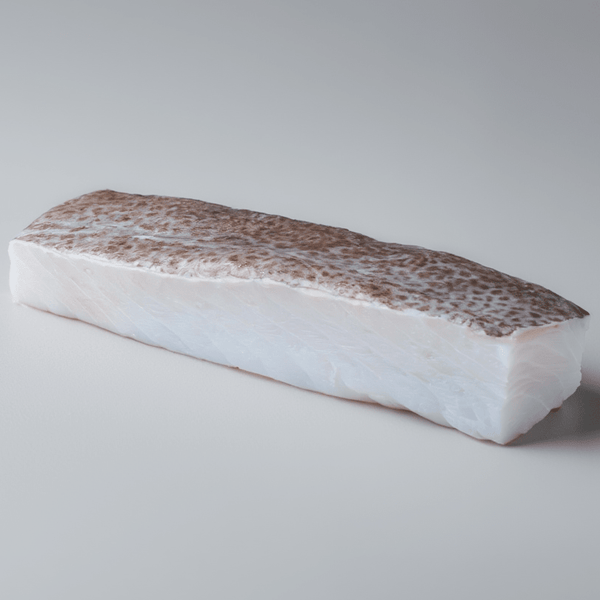
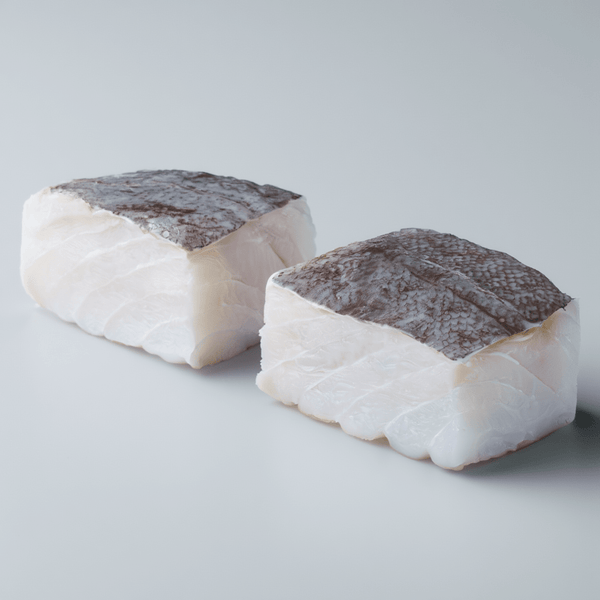
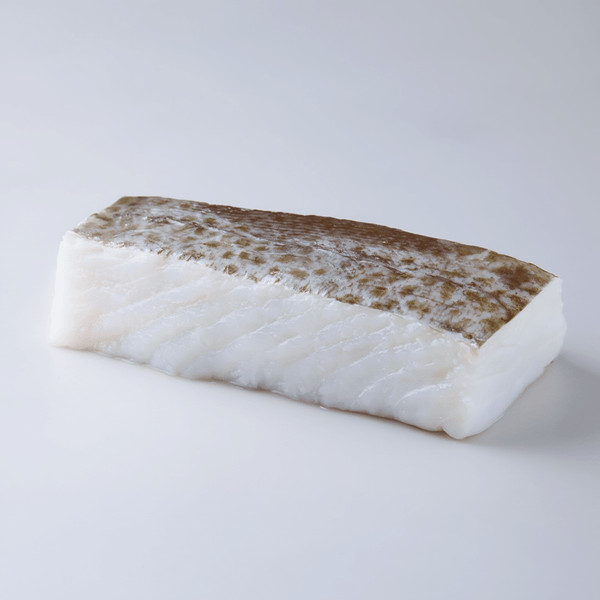
- 600g desalted cod — preferably thick loin, already desalted and ready to cook
- 800g potatoes — Galician variety (Kennebec or similar) that will slightly break apart when cooked
- 2 large onions — thinly sliced julienne
- 150ml extra virgin olive oil — generous, it's the base of the sauce
- 1 tablespoon sweet La Vera paprika — the smoky flavor makes all the difference
- 2 bay leaves
- 2 cloves garlic — sliced
- Salt — with caution, the cod already adds saltiness
- Water — just enough to cover the ingredients
Note on cod: The final result largely depends on the quality of the cod. A premium desalted cod with a firm and juicy texture will completely transform the dish. Perfectly salted cod flakes into large pieces and provides a natural gelatin that thickens the sauce incomparably.

Acarreto recipe step by step
Acarreto does not require complicated techniques, but it does require patience and attention to timing. Follow these 8 steps for a flawless result:
Step 1: Prepare the cod
If starting with salted cod, desalt it correctly for 24-48 hours, changing the water every 8 hours. If using already desalted cod, simply pat it dry with kitchen paper and cut it into large pieces (about 5-6 cm). Set aside.
Step 2: Peel and cut the potatoes
Peel the potatoes and "casca" them rather than cutting: stick the tip of the knife in and twist to break them into irregular pieces. This Galician trick is essential because the rough surfaces release more starch and naturally thicken the sauce.
Step 3: Sauté the onion and garlic
In a wide saucepan (preferably earthenware), heat the olive oil over medium heat. Add the julienned onion and sliced garlic. Sauté for 10-12 minutes until the onion is transparent and tender, but not browned.
Step 4: Add the paprika
Remove the saucepan from the heat for 10 seconds (this is crucial so that the paprika doesn't burn and become bitter). Add the tablespoon of La Vera paprika and stir quickly to incorporate it with the oil. Return to the heat for just 30 more seconds: just enough time for the paprika to release its smoky aroma.
Step 5: Add the potatoes
Add the "cascado" potatoes to the saucepan and stir well so they are impregnated with the paprika-infused sofrito. Cover with just enough water (it should barely cover them) and add the bay leaves. Increase the heat until it boils.
Step 6: Cook the potatoes
Once it boils, reduce to medium-low heat and simmer for 15-20 minutes. The potatoes should be almost cooked but still firm in the center. During cooking, gently shake the saucepan (without stirring with a spoon) in a circular motion. This helps the starch to release without breaking the potatoes.
Step 7: Add the cod
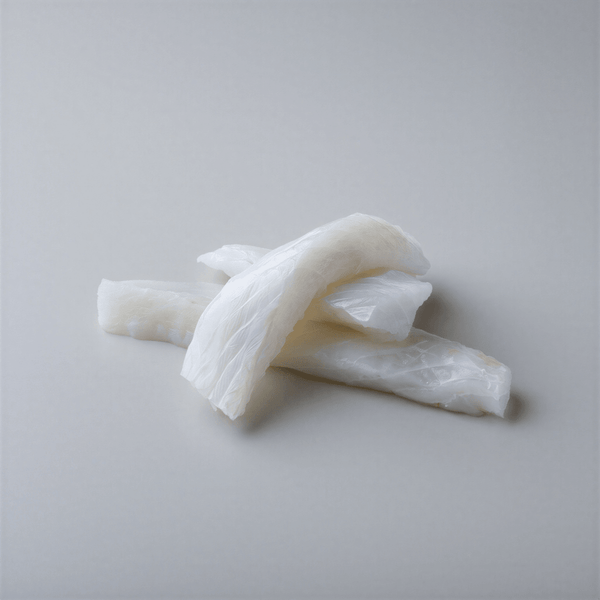
Place the cod pieces on top of the potatoes, without submerging them. Cover the saucepan and cook for 8-10 minutes over low heat. The cod will cook with the steam and begin to release its gelatin, which will integrate with the broth and thicken it. Do not stir: just gently shake the saucepan.
Step 8: Rest and serve
Turn off the heat and let the covered saucepan rest for 5 minutes. This resting period allows the cod's gelatin to finish thickening the sauce, which should be rich and full-bodied. Serve directly in the earthenware pot, with a good drizzle of raw olive oil on top.
7 tips for a perfect Acarreto
These are the details that separate a homemade acarreto from one you might find in a traditional Galician tavern:
- "Casca" the potatoes, don't cut them. The irregular surfaces release more starch and create a thicker, more cohesive sauce. This is the most important trick in the entire recipe.
- Never burn the paprika. Remove from heat before adding it. Burnt paprika makes the whole dish bitter and there is no remedy.
- Shake the pot, don't stir with a spoon. Gently shaking the pot in circles (what in Galicia they call menear) integrates the flavors without mashing the potatoes or the cod.
- Don't skimp on the oil. Acarreto is not a light dish. Olive oil is a protagonist, not an accompaniment. The 150ml are necessary.
- Just enough water. If you add too much water, the sauce will be watery. If you add too little, it will stick. The water should cover the potatoes by no more than a finger's width.
- Resting is mandatory. Those final 5 minutes with the covered pot and the heat off allow the cod's gelatin to finish thickening the sauce.
- A drizzle of raw oil when serving. This is the finishing touch that adds freshness and shine to the dish.
Difference between Acarreto and Bacalao a la Gallega
This is one of the most common confusions. Although both are Galician dishes with cod and potatoes, there are important differences in technique and result:
| Characteristic | Acarreto | Bacalao a la gallega |
|---|---|---|
| Cooking Method | All together in one pot, stewed | Cod and potatoes cooked separately |
| Sauce | Thick, creamy (starch + gelatin) | Oil with paprika (ajada) poured on top |
| Paprika | Integrated into the sofrito from the start | Added at the end in the hot ajada |
| Potato Texture | Partially mashed, integrated into sauce | Whole, cooked al dente |
| Presentation | Stew in an earthenware pot | Potatoes and cod arranged, ajada on top |
| Origin | Interior of Galicia (muleteers) | Galician coast (sailors) |
| Dish Type | Stew / spoon dish | Assembled dish / boiled dish |
In summary: acarreto is a stew where everything is cooked together and the sauce is the star, while bacalao a la gallega is a dish where the ingredients are cooked separately and assembled on the plate with the ajada. Both are extraordinary, but they are distinct dishes.
Acarreto variations
Like any orally transmitted dish, acarreto has as many versions as there are Galician families. These are the three most popular variations:
Acarreto with grelos (turnip greens)
The most authentically Galician version. Grelos (tender turnip stems) are added during the last 10 minutes of potato cooking, just before incorporating the cod. The grelos provide a bitter note that balances the richness of the dish. This is the version you'll find in many taverns in Ourense and Lugo during grelos season (January to March).
Acarreto with peppers
Strips of red and green pepper are added to the sofrito along with the onion. The pepper adds sweetness and a crunchy texture that contrasts with the stew's soft texture. This variation is more common in the Rías Baixas and the southern area of Pontevedra.
Acarreto with egg
Some cooks add hard-boiled eggs cut in half during the final resting period, placing them on top of the stew with the yolk facing up. This is a heartier variation, intended as a single course, which became popular in households where large families had to be fed with limited resources.
Frequently asked questions about acarreto
Can acarreto be made with frozen cod?
Yes, it can, but the result is not the same. Frozen cod releases more water during cooking, which dilutes the sauce and makes it lose its characteristic rich texture. If you use frozen cod, defrost it completely in the refrigerator (24 hours) and pat it very dry with kitchen paper before adding it to the stew. That said, for an authentic acarreto, quality desalted cod makes an enormous difference.
How much cod do I need per person for acarreto?
The ideal proportion is 150g of desalted cod per person. This equates to about 600g for 4 diners. If you want the cod to be more prominent, you can increase to 180-200g per person, but remember to adjust the water and potatoes proportionally.
What type of paprika is used in acarreto?
The traditional paprika for acarreto is sweet La Vera paprika (Cáceres), which has a characteristic smoky flavor. You can also use sweet Murcia paprika, although the result will be different: less smoky and more fruity. Never use hot paprika as a base; if you want a touch of spice, add half a teaspoon of hot paprika in addition to the sweet.
How long does it take to make an acarreto?
Active preparation takes about 15 minutes (peeling, cutting, sautéing) and total cooking time is 25-30 minutes plus 5 minutes of resting. In total, you'll have acarreto ready in less than 50 minutes. This does not include the desalting time for cod if you start with salted cod (an additional 24-48 hours).
Can acarreto be reheated?
Not only can it be, but many Galicians will tell you it's better the next day. When rested in the refrigerator, the flavors integrate even more, and the sauce thickens. Reheat over very low heat in the same pot, adding a couple of tablespoons of water if it has thickened too much. Avoid the microwave: it dries out the cod.
Which wine pairs best with acarreto?
The classic pairing is an Albariño from Rías Baixas or a Godello from Valdeorras. The acidity and freshness of these Galician white wines cut through the richness of the stew. If you prefer red, a young Mencía from Ribeiro or Ribeira Sacra, served slightly chilled, also works very well with the smoked paprika.
What is the difference between acarreto and caldeirada de bacalao?
Caldeirada is a fisherman's stew that includes various types of fish and seafood, in addition to cod, and has more broth. Acarreto is specifically cod with potatoes and has a thicker, more reduced sauce. Caldeirada is coastal; acarreto is from inland. They are cousins, but not siblings.
Premium Seafood — Bacalalo
Since 1990, selecting the best from the sea at Mercat del Ninot, Barcelona. Refrigerated shipping 24-48h.
View Icelandic cod →🛒 Products used in this recipe
"Discover Bacalalo" Assortment
Our best-selling pack — ideal for first purchase
€19.90
View product →⭐ 4.9/5 · Chilled delivery 24-48h · Since 1990 at Mercat del Ninot
Conclusion: acarreto, the essence of Galicia on a plate
Acarreto is much more than a cod and potato recipe. It is a piece of Galician history: the dish that fed muleteers, peasants, and entire families with humble ingredients, but treated with the respect that good cooking deserves. Its simplicity is deceptive, because every detail matters: breaking the potatoes instead of cutting them, not burning the paprika, stirring the pot without a spoon, respecting the final resting period.
If you've never tried acarreto, this recipe is your starting point. And if you already know it, we hope the tips and variations in this article inspire you to prepare it with the best cod you can get. The difference always starts with the raw material.
Related articles you might find interesting: