Quick summary: Caviar doesn't need complicated recipes — the product is the star. 7 proven ways to serve it: classic blini canapé, boiled egg, baby potato, creamy pasta, salmon tartare, oysters, and tasting board. Quantity: 15-30g per person as an appetizer. Cutlery: never metal, always mother-of-pearl/bone/plastic. Pairing: brut champagne or iced vodka. Below 15g per diner, the nuance is not appreciated.
The 7 recipes in this article
- 1. Classic caviar canapé with blinis and sour cream
- 2. Boiled egg with caviar (Oeuf Impérial)
- 3. Boiled potato with caviar and sour cream
- 4. Fresh pasta with cream and caviar
- 5. Salmon tartare with caviar
- 6. Oysters with caviar (luxury combo)
- 7. Crème fraîche with caviar and thin toasts (tasting board)
- Common mistakes that ruin the recipe
- Pairings and accompaniments
- Frequently asked questions
Which caviar to choose before cooking
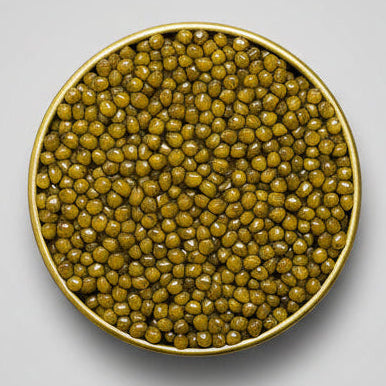
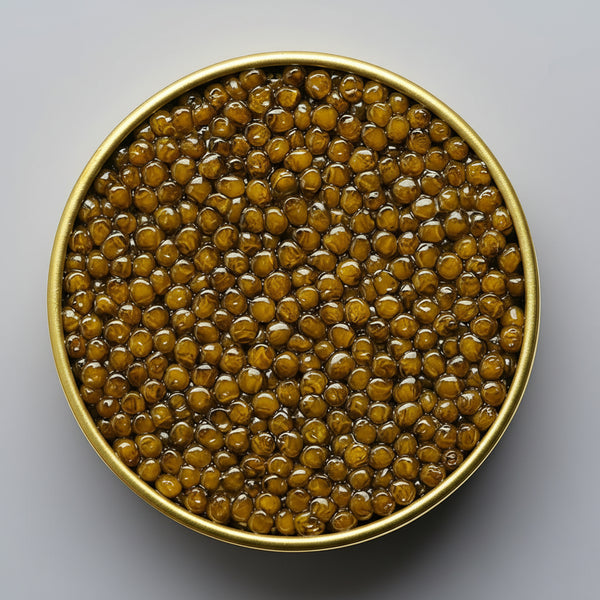
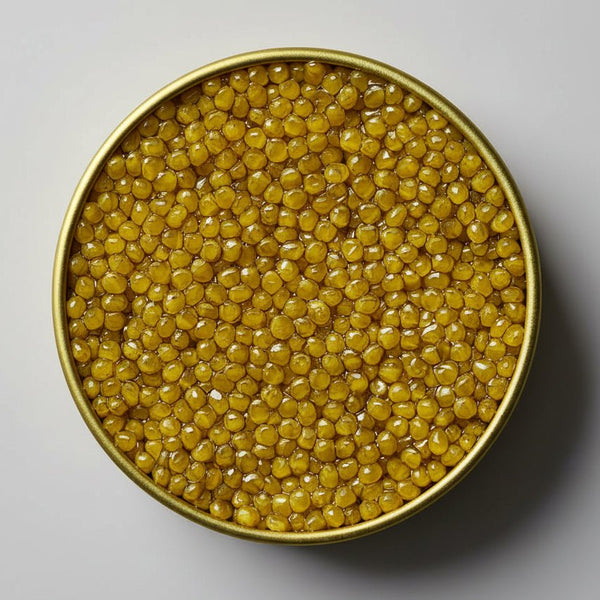
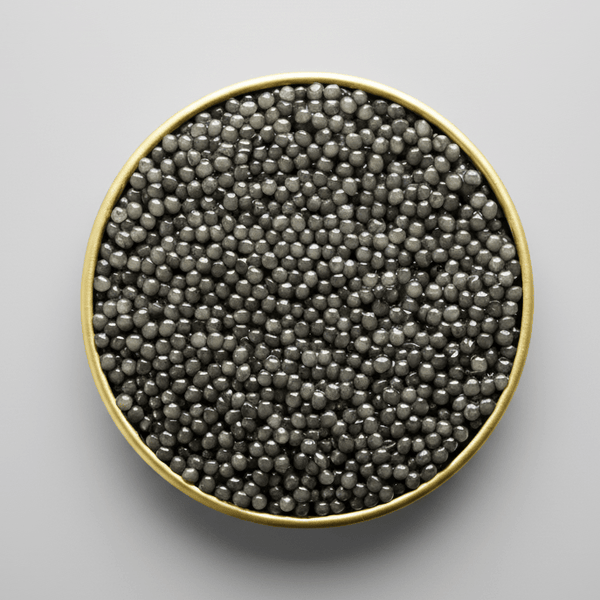
Before thinking about recipes, you need to choose the right caviar. The three main families (all of Caspian origin or Iranian sturgeon) are:
- Sevruga (~€100/30g): small grains, intense, marine flavor. For beginners or large quantities.
- Osetra Imperial (~€75/30g): the balanced one. Medium grains, nutty flavor with sweet notes. We recommend it to start.
- Beluga Imperial (~€90/30g): large grains, buttery flavor, creamy texture.
- Beluga 000 (~€125/30g): the pinnacle. Only for connoisseurs who will appreciate the difference.
For a comparative tasting (recipe #7), the Caviar Starter Pack includes a selection of types to start without making a mistake.
The first caviar of your life
If you've never tried it, start with Osetra Imperial — perfect balance of flavor and price. Medium grains, sweet nuances.
View Osetra Imperial Caviar →It's not marketing — recipes proven at Mercat del Ninot since 1990. Every recipe on this page has been cooked at home or at the stall before being published. With the same products we sell. If a recipe doesn't work, it doesn't go on the blog.
The 3 classic canapés
The first 3 recipes are the historical ones — blini, boiled egg, and baby potato. They are the foundation for learning how to serve caviar. Without them, no subsequent sophistication makes sense.
1. Classic caviar canapé with blinis and sour cream
If there's only one way to serve caviar you should know, this is it. Warm blini (not hot), sour cream, caviar. That's it. The goal isn't to show off the preparation — the caviar is the star.
Ingredients
- 12 small blinis (homemade or store-bought)
- 30g Beluga Imperial or Osetra caviar
- 4 tablespoons sour cream (smetana or thick crème fraîche)
- Finely chopped fresh chives
- Freshly ground white pepper (optional)
- 1 lemon (just a few drops, optional)
Steps
- Warm blinis. Heat the blinis for 30 seconds in a dry pan or oven at 100°C. Warm, not hot (heat "cooks" the caviar).
- Sour cream. Place half a teaspoon of sour cream on each blini.
- Caviar. Using a mother-of-pearl, bone, or plastic spoon (never metal — it oxidizes the caviar), place ¼ teaspoon of caviar per canapé.
- Garnish. Sprinkle with some chopped chives. Optional: a pinch of white pepper.
- Serve. Immediately. Accompany with brut champagne or iced vodka.
2. Boiled egg with caviar (Oeuf Imperial)
This recipe comes from Parisian bistros. Egg, cream, caviar — three ingredients, impeccable presentation. It works because the warm egg yolk combines perfectly with the saltiness of the caviar.
Ingredients
- 4 fresh eggs (size M)
- 20-30g Osetra or Imperial caviar
- 3 tablespoons sour cream
- Fresh dill
- Flaky salt
- Black pepper
- Thin toasted white bread
Steps
- Boil eggs. Place eggs in boiling water and cook for exactly 9 minutes. Transfer to ice water for 5 minutes.
- Peel. Carefully peel under cold water — fresh eggs are harder to peel.
- Cut. Cut each egg in half lengthwise. Carefully scoop out the yolk with a spoon.
- Mix yolk. In a cold bowl, mash the yolk with sour cream, salt, and pepper until creamy.
- Fill. Using a spoon or piping bag, fill the egg whites with the mixture.
- Caviar. Place a teaspoon of caviar on top of each filling. Garnish with dill.
- Serve. Accompany with thin toasts and champagne. Serve at room temperature, not cold from the fridge.
3. Boiled potato with caviar and sour cream
In Nordic and Russian countries, small boiled potatoes are the classic base for caviar — not blinis. The potato absorbs the saltiness and provides an earthy sweetness. It works very well.
Ingredients
- 16 baby potatoes (small waxy type)
- 30g Osetra or Sevruga caviar
- 4 tablespoons sour cream
- Chopped chives
- Flaky salt
- Extra virgin olive oil
- Black pepper
Steps
- Wash. Wash the potatoes thoroughly with a brush (they will be cooked with the skin on).
- Boil. Boil in salted water for 18-22 minutes until a toothpick goes through without resistance.
- Temper. Drain in a colander. Let cool for 5 minutes (warm, not cold).
- Halve. Cut each potato in half. Lightly mash the inside with the back of a fork.
- Season. Drizzle with olive oil. Pinch of flaky salt.
- Sour cream. Place ¼ teaspoon of sour cream on each potato half.
- Caviar. With a mother-of-pearl spoon, place ¼ teaspoon of caviar.
- Garnish. Pinch of chopped chives. Pepper to taste. Serve warm.
Recipes where caviar is the star
The next 3 recipes are where caviar plays a more structural role — creamy pasta, salmon tartare, oysters. Here, caviar is not just a finishing touch; it's part of the dish.
4. Fresh pasta with cream and caviar
If you want to turn 30g of caviar into a main dish for 2-3 people, this is the formula. Fresh pasta, good butter, cream, caviar. No garlic, no tomato, no parmesan — caviar does not forgive aggressive company.
Ingredients
- 250g fresh tagliatelle or spaghetti
- 30g Osetra or Imperial caviar
- 50g French butter (Échiré or similar)
- 100ml heavy cream
- Zest of half a lemon
- Salt
- Freshly ground white pepper
- Fresh chives
Steps
- Boil water. Bring plenty of salted water to a boil. While it boils, prepare the other ingredients (this goes quickly).
- Cream. In a large pan, melt butter over low heat. Add cream and let it warm (do not boil).
- Pasta. Cook fresh pasta for 2-3 minutes (al dente). Reserve a ladleful of cooking water.
- Sauté. Transfer the pasta to the pan with the cream. Mix gently. Add lemon zest.
- Adjust. If it's too thick, add 2-3 tablespoons of the cooking water. Salt and white pepper.
- Plate. Serve in a pre-warmed deep plate.
- Caviar. With a spoon, place a generous mound of caviar in the center. Finely chopped chives.
- Serve. Immediately — the caviar should not be heated.
5. Salmon tartare with caviar
If you're going to serve caviar as the main ingredient in a more substantial dish, salmon tartare is the formula that works best — the richness of the salmon and the saltiness of the caviar work together.
Ingredients
- 300g sashimi-grade fresh salmon (or diced smoked salmon)
- 20g Osetra caviar
- 1 very finely chopped shallot
- 1 tablespoon chopped small capers
- 1 teaspoon Dijon mustard
- 2 tablespoons extra virgin olive oil
- 1 tablespoon lemon juice
- Chopped chives
- Salt and white pepper
- Thin toasted bread
Steps
- Cut salmon. Clean the salmon. Cut it into small 5mm cubes (do not mash — cube definition).
- Dressing. In a cold bowl, mix shallot, capers, mustard, oil, lemon, salt, pepper.
- Combine. Add the salmon and mix gently. Refrigerate for 5-10 minutes for flavors to meld.
- Plate. Place a plating ring on the plate. Fill with the tartare. Press lightly.
- Caviar. Remove the ring. Place a generous spoonful of caviar over the tartare.
- Finish. Chopped chives, a crystal of oil or drops. Serve with warm thin toasts.
6. Oysters with caviar (luxury combo)
It's not a "recipe" in the strict sense; it's a combo. But it deserves to be here: fresh oyster + caviar is the simplest and most expensive combination you can serve. Ideal for intimate celebrations.
Ingredients
- 12 fresh oysters (Gillardeau, Marennes or Cap Ferret)
- 15-20g Imperial or Beluga caviar
- 1 very finely chopped shallot
- 3 tablespoons red wine vinegar
- 1 tablespoon Cabernet vinegar
- Freshly ground black pepper
- Crushed ice
- Half a lemon
Steps
- Mignonette. Mix shallot, vinegars, and pepper. Let rest for 10 minutes in the fridge.
- Open oysters. Using an oyster knife and a cloth, open the oysters at the hinge. Clean off any shell fragments.
- Present. Arrange the oysters on a bed of crushed ice on a platter. Keep the oyster liquor.
- Caviar. Place ¼ teaspoon of caviar on each oyster. Do not add mignonette at the same time — offer it separately.
- Serve. Accompany with brut champagne. Each diner adds mignonette if they want extra acidity.
For a celebration: comparative tasting
If you're going to invest in a memorable experience, a comparative tasting of 3 different caviars (Sevruga + Osetra + Imperial) is the best option. The difference between the three is only perceived by tasting them one after another.
7. Crème fraîche with caviar and thin toasts (tasting board)
If you've invested in premium caviar for a celebration, a comparative tasting is the best way to serve it. Showcase the differences between Sevruga, Osetra, and Imperial. Here's how to organize it.
Ingredients
- 15-20g Sevruga Caviar
- 15-20g Osetra Imperial Caviar
- 15-20g Beluga Imperial Caviar
- Crème fraîche or smetana
- Quality French butter
- 12-16 small blinis
- Thin white bread toasts
- Toasted brioche bread
- Mother-of-pearl spoons (3-4)
- Brut champagne or chilled vodka
- Fresh chives
Steps
- Prepare board. Use a large wooden or slate board. Place a layer of crushed ice on the base if you have a suitable container.
- Caviar tins. Open the 3 tins just before serving. Keep on ice. Each with its own mother-of-pearl spoon.
- Bases. Arrange blinis, toasts, brioche in small piles. Butter and crème fraîche in small bowls.
- Tasting order. Always serve and taste from least to most intense: Sevruga → Osetra → Beluga Imperial.
- Cleanse palate. Between caviars, a small sip of champagne and a bite of neutral brioche bread.
- Decorate. Chopped chives, dill sprigs, decorative lemon slices.
- Serve. At controlled temperature (not hot), paired with brut champagne or very cold vodka.
Basket or tasting?
The "Caviar Initiation" assortment combines caviar with accessories for serving it well. If you are giving it as a gift or serving it for a couple, it is the most complete option.
View Initiation Assortment →Common mistakes that ruin the experience
- Using a metal spoon: oxidizes caviar instantly. Mother-of-pearl, bone, wood, or plastic — always.
- Heating the bases: blinis warm, not hot. Potatoes lukewarm, not freshly cooked. Caviar "cooks" with heat and loses texture.
- Serving too cold: between 4-8°C. If frozen or very cold, the palate won't detect the nuances.
- Mixing caviar: never mix caviar into batter or sauce. It always goes in at the end, without stirring. Each bite should find it separate.
- Combining with aggressive flavors: garlic, strong spice, parmesan, soy. All mask the caviar. Minimalism is better: cream, butter, egg, potato.
- Buying cheap generic caviar: "caviar" under €20/30g is rarely real sturgeon caviar. These are usually substitutes (dyed lumpfish, capelin). They lack any real nuance. Better to have less quantity of good quality.
- Opening and leaving at room temperature: oxidation is rapid. Opened caviar should be consumed within 24 hours maximum, ideally in the same sitting.
Pairings
| Recipe | Suggested drink | Why it works |
|---|---|---|
| Blini canapé | Brut nature champagne | Bubbles cleanse cream's fat |
| Imperial egg | Brut champagne or chilled vodka | Acidity balances yolk's fat |
| Baby potato | Premium cold vodka | Traditional Nordic combination |
| Creamy pasta | Oaked Chardonnay | Wine's body complements density |
| Salmon tartare | Sauvignon Blanc or Albariño | Citrus acidity cleanses salmon fat |
| Oysters with caviar | Extra brut champagne | Ultimate luxury combination |
| Tasting | Brut champagne + vodka | Alternate between tastings |
Which product to buy for each recipe
- For classic canapés (recipes 1-3): Osetra Imperial Caviar — ideal balance with neutral bases.
- For pasta or tartare (4-5): Sevruga Caviar — more intense flavor so it doesn't get lost in the dish.
- For oysters or a memorable gift: Beluga Imperial Caviar.
- For a high celebration: Beluga 000 Caviar.
- For gifting / complete tasting: Caviar Initiation Assortment.
Discover our premium selection
Seafood products carefully selected since 1990 in Mercat del Ninot, Barcelona. Refrigerated shipping in 24-48h.
In summary
Caviar is a product that is served, not cooked. Successful recipes are those where the caviar maintains its integrity — without heating, without mixing, without combining with aggressive flavors. 15-30g per person, mother-of-pearl cutlery, and brut champagne or chilled vodka pairing are the three pillars of any correct caviar service.
To discover our entire selection of premium caviar, visit the Bacalalo caviar collection.
Frequently Asked Questions
How much caviar per person?
As an elegant cocktail appetizer, 8-15g per person. As a starter with blinis and cream, 15-30g per person. For a comparative tasting (Sevruga + Osetra + Beluga), 30-50g total per person distributed among the 3 types. A 30g tin serves 2-3 people as an appetizer or 1-2 for tasting.
What type of caviar is best for beginners?
Osetra Imperial Caviar is the best introduction — a balance between intensity and elegance, reasonable price compared to Beluga, medium grains. Sevruga is more affordable but has a more intense/briny flavor, not everyone likes it at first. Beluga is the pinnacle but its subtlety can be lost if you are not trained.
Why shouldn't you use a metal spoon with caviar?
Metal ions (especially silver, steel, aluminum) react with caviar and oxidize it, giving it an unpleasant metallic taste. Traditional spoons are made of mother-of-pearl, bone, wood, or horn. Failing that, plastic is preferable to metal.
Can caviar be frozen?
No. Freezing caviar breaks the grain membranes and destroys the texture. It should be consumed refrigerated between 2-4°C and ideally within 3-4 weeks after opening (always 1-2 days once the tin is open). Keep the tin on ice if the tasting lasts for a while.
How long does opened caviar last in the fridge?
Opened and well-sealed tin in the fridge: 24-48 hours maximum, ideally consumed the same day. Oxidation on contact with air degrades it quickly. If there's any left, cover with plastic wrap touching the caviar (without air) and consume the next day.
What is the best pairing for caviar?
Classic options are brut or brut nature champagne (bubbles and acidity cleanse the richness), or very cold vodka. For Sevruga, a dry Sauvignon Blanc also works. Avoid red wines, beers, and sugary soft drinks — they destroy the nuance.
Is caviar served cold or at room temperature?
Serve refrigerated but NOT frozen: ideally between 4-8°C. Too cold numbs the palate and the nuances are not perceived. Take the tin out 5-10 minutes before serving, keep it on ice during the tasting. Creams and bases (blinis, potato) should be warm.
Is there a real difference between Beluga, Osetra, and Sevruga?
Yes, a clear one. Beluga: larger grains (3-3.5mm), light gray color, buttery and nutty flavor. Osetra: medium grains (2.5-3mm), golden brown color, nutty flavor with marine notes. Sevruga: small grains (2-2.5mm), dark gray color, more intense and saline flavor. The price follows the same order — Beluga > Imperial > Osetra > Sevruga.
Is Beluga caviar necessary, or is Imperial sufficient?
For 95% of celebrations, Osetra Imperial or Beluga Imperial are more than sufficient and offer excellent value for money. Pure Beluga 000 is for connoisseurs who can detect the difference — if you are not a trained enthusiast, the nuance will be lost and you will pay a premium for something you cannot appreciate.