In short: Galician "pulpeiras" (women who cook octopus at traditional fairs) use an ancient technique: pre-freezing for 48h, "frightening" three times, cooking in a copper pot over a wood fire with a cork, and a final resting period. Myths (cork) vs. validated science (freezing, frightening).
Table of Contents
Who are the Galician "pulpeiras"?
The pulpeiras are women specializing in cooking octopus at traditional Galician fairs (San Froilán in Lugo, San Lucas in Mondoñedo, San Marcos in Cariño). It is a centuries-old trade, passed down from mother to daughter, considered a living gastronomic heritage of Galicia.
Each pulpeira has her own technique, perfected over decades. Some families have been cooking octopus for 4-5 generations. Their technique is distinguished by: copper pot, wood fire, intuitive control of doneness, and specific rituals.
The traditional process step by step
- Whole fresh octopus: 1.5-3 kg, freshly caught in a Galician fish market.
- Freeze for 48h at -20°C: the "frightening" technique doesn't work without this step. Ancient pulpeiras used to beat it against a stone; today, freezing replaces this.
- Thaw for 24h in the refrigerator.
- Copper pot with boiling water + coarse salt (preferably salty Galician well water, according to ancient pulpeiras).
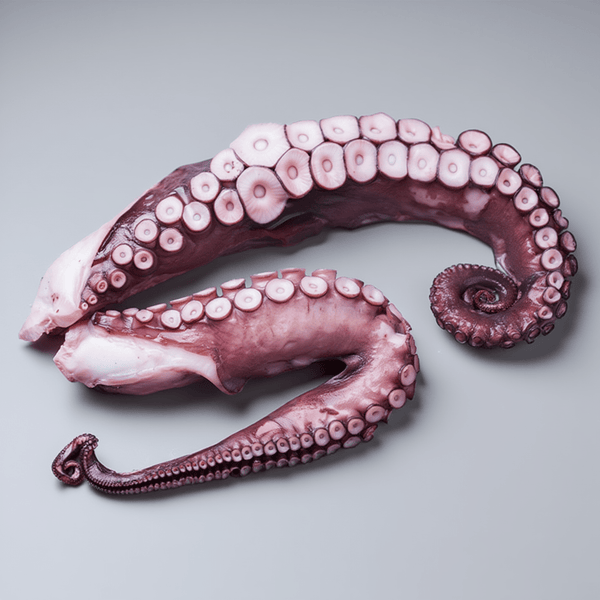
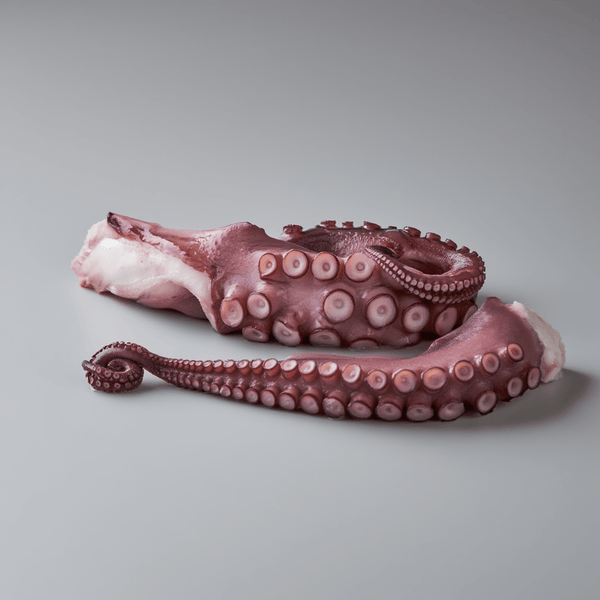
- "Frighten" 3 times: submerge the octopus holding it by the head, remove, submerge, remove, submerge, remove. Each time for 5 seconds. The tentacles curl during cooking.
- Cook for 18-25 min (depending on weight) with the pot uncovered. Ensure it does NOT boil vigorously — medium-low heat, "simmering."
- Check doneness: pierce with a fork in the thickest part of a tentacle. It should go in easily but with some resistance.
- Rest for 10-15 min off-heat inside the pot.
- Cut hot on a wooden board with scissors (not a knife).
- Serve on a wooden plate with EVOO, smoked paprika from La Vera, Maldon salt.
Myths vs. science: what's real?
Myth 1: "Cork tenderizes the octopus."
VERDICT: NOT scientifically proven. Some pulpeiras add 1 bottle cork to the water. The belief is that it releases tannins. There is no biochemical evidence. What DOES work: freezing + frightening.
Myth 2: "You have to 'frighten' it 3 times, no more, no less."
VERDICT: partially real. Frightening helps the tentacles curl (aesthetics) and prevents tearing. 3 times is tradition; 2 or 4 give similar results. The important thing is the THERMAL SHOCK.
Myth 3: "Galician well water is essential."
VERDICT: marginal. Galician well water has more mineral salts (calcium, magnesium) than urban tap water. But the difference in octopus cooking is minimal. Tap water + sea salt works identically well.
Biochemical reality:
What REALLY tenderizes the octopus: (1) pre-freezing for 48h (breaks muscle fibers), (2) cooking over medium-low heat WITHOUT vigorous boiling (proteins don't contract aggressively), (3) final resting for 10-15 min (fibers relax).
How to replicate the technique at home
Without a copper pot or wood fire, it still works:
- Large stainless steel pot (minimum 8L for 2kg octopus)
- Medium-low heat, gentle simmer, NOT vigorous boil
- Essential pre-freezing for 48h at -20°C
- "Frighten" 3 times (visual effect + marginal technical benefit)
- Final rest for 10-15 min with the pot off-heat
- Cut hot, wooden plate, EVOO + smoked paprika + Maldon salt
Result: 90% of the traditional pulpeira's octopus with home equipment. The remaining difference depends on the quality of the octopus (fresh Galician vs. frozen Moroccan).
Frequently asked questions
Copper pot or stainless steel?
Is "frightening" 3 times necessary?
How long to cook based on octopus size?
Why freeze for 48 hours beforehand?
Does pre-cooked octopus have the same quality as a pulpeira's?
Wooden plate vs. ceramic?
To conclude
The "secret" of Galician pulpeiras is not a magic trick — it's an ancient technique validated by science: pre-freezing to break fibers, frightening for presentation + initial thermal shock, gentle cooking without vigorous boiling, final resting, traditional presentation. Fresh frozen Galician octopus allows you to replicate 95% of this experience at home. Fair pulpeiras maintain the other 5% with their copper pot, wood fire, and decades of intuitive practice.