Fish is introduced into a baby's diet starting at 6 months: beginning with low-mercury white fish (hake, cod, sole), transitioning to oily fish at 9-12 months (salmon, sardines), and avoiding swordfish, shark, bluefin tuna, and pike until 10 years of age. In this guide, we provide the official guidelines from AESAN and AEP.

When to start giving fish to your baby
The Spanish Association of Pediatrics (AEP) and the WHO agree: fish can be introduced from 6 months of age, when complementary feeding begins. There is no evidence that delaying introduction reduces the risk of allergy — in fact, current recommendations suggest that early introduction may be protective.
The usual order recommended by Spanish pediatricians is:
- 6 months: Mild white fish — hake, cod, sole, John Dory
- 9-12 months: Oily fish — salmon, sardines (boneless), small mackerel
- From 12 months: Shellfish and crustaceans (with caution due to allergy)
A new fish is introduced every 3-5 days to detect possible allergic reactions before moving on to the next.
Safe fish for babies by age
| Age | Recommended fish | Why |
|---|---|---|
| 6-9 months | Hake, cod, sole, John Dory | White, mild, low in mercury, easy texture |
| 9-12 months | Salmon, sardines (boneless), trout | Oily, rich in omega-3 DHA for brain development |
| 12+ months | Sea bream, sea bass, anchovies, prawns | More variety, seafood if no allergic history |
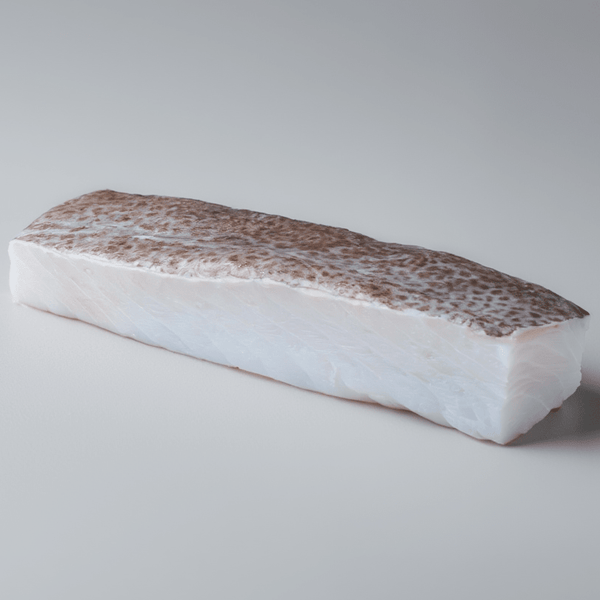
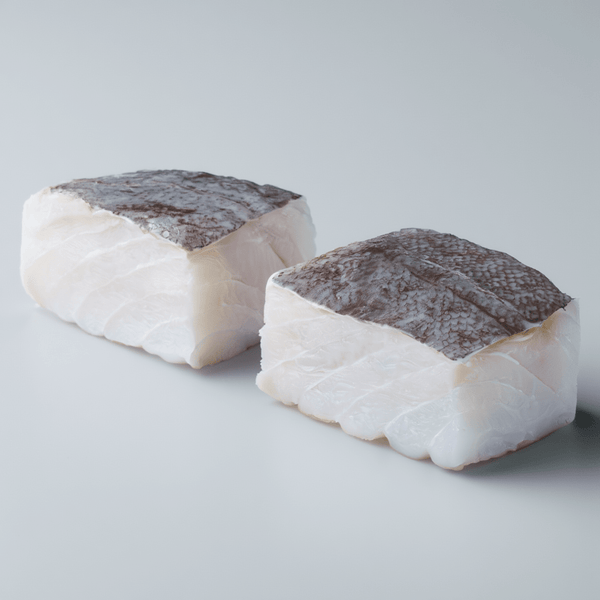
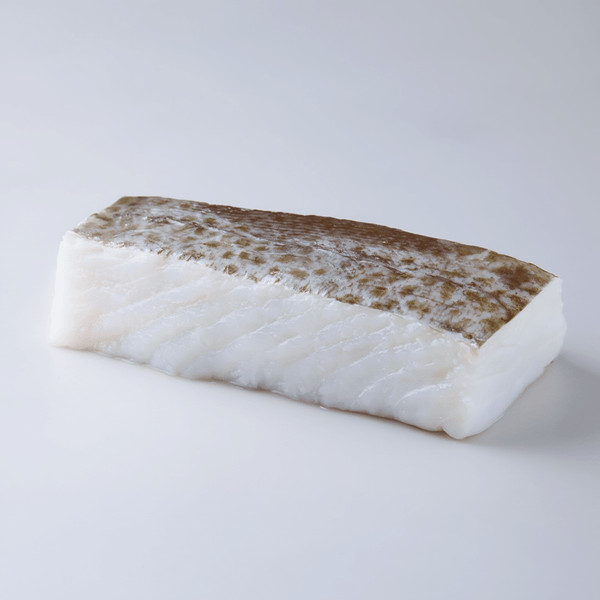
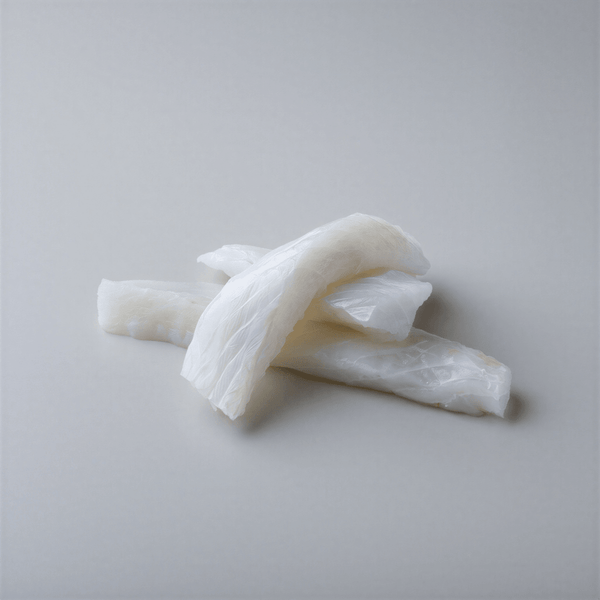
Cod deserves special mention as a first fish: it has a texture that flakes easily (ideal for purees), a mild flavor that babies accept well, is very low in mercury (50-110 µg/kg), and is one of the most complete protein sources available. Read more about mercury levels by species.
Fish to avoid in babies and children
AESAN explicitly states that 4 species should be avoided in children under 10 years of age and pregnant women due to their high mercury levels:
- Swordfish / Emperor — up to 1500 µg/kg of mercury
- Shark (dogfish, mako shark, blue shark) — up to 2000 µg/kg
- Bluefin tuna (sashimi/sushi type) — up to 1000 µg/kg
- Pike — up to 800 µg/kg
Canned tuna (light tuna) is different and safer — it can be given from 12 months in moderate amounts (1-2 servings per week).
How to prepare fish for babies
6-8 months (purees): Steam or boil the fish (without salt) for 5-8 minutes. Flake it with a fork, ensuring no bones remain. Mash it with cooked vegetables (potato, carrot, zucchini) and a drizzle of extra virgin olive oil.
8-10 months (textures): Flake the cooked fish into small pieces. Babies can start chewing with their gums. Mix with cooked rice or mashed potato.
10-12 months (soft solids): Larger pieces that the baby can pick up with their hand. Fish patties (flaked fish + potato + egg, baked). Baked cod croquettes.
Important: Do not add salt until 12 months. A baby's kidneys are not ready to process it. Desalted cod is perfect because the desalting process has already removed excess salt, leaving a minimal sodium level.
Fish for BLW (Baby Led Weaning)
Baby-Led Weaning allows solid foods to be offered from 6 months. Fish works very well in BLW if prepared correctly:
- Shape: Pieces the size of an adult's finger (so the baby can hold them in their fist).
- Texture: Steamed, that flakes easily when pressed. Never fried.
- Bones: ZERO bones. Use boneless fish fillets (hake, desalted cod). Check each piece with your fingers before serving.
- Temperature: Lukewarm, not hot. Always check before offering.
Steamed salmon is excellent for BLW: it flakes into pieces that the baby can handle, has a mild taste, and its high fat content makes it juicier and easier to swallow.
Fish allergy: signs and precautions
Fish allergy affects 0.1-0.5% of children. It is more common than shellfish allergy and can be severe. Signs of an allergic reaction:
- Hives or rash on the skin (most common)
- Swelling of the lips, tongue, or face
- Immediate vomiting or diarrhea (first 30 minutes)
- Cough, difficulty breathing (rare but serious — go to the emergency room)
Precautions: Offer the first fish at home (not in a restaurant), during the day (not before bedtime), and have a pediatric antihistamine on hand just in case. Introduce one new fish at a time and wait 3-5 days before the next.
If there is a family history of food allergies, consult your pediatrician before introducing fish. The current recommendation is not to delay introduction, but to do it under supervision.
Mercury and babies: clear facts
Methylmercury crosses the blood-brain barrier and can affect neurological development in young children. But the dose makes the poison:
- The tolerable weekly intake of mercury is 1.3 µg/kg of body weight (EFSA).
- An 8 kg baby would have a limit of 10.4 µg/week.
- A 30 g serving of cod provides ~2-3 µg of mercury — far below the limit.
- A 30 g serving of swordfish would provide ~15-45 µg — could exceed the limit with a single serving.
The conclusion is clear: with low-mercury fish (cod, hake, salmon, sardines), babies are completely safe even eating fish 3-4 times a week.
How often to give fish to baby
The AEP recommends 2-3 servings of fish per week for babies aged 6-12 months, alternating white and oily fish. From 12 months, 3-4 servings per week.
A serving for babies aged 6-12 months is small: 20-40 g of cooked fish (equivalent to 1-2 tablespoons of flaked fish). Do not force quantities — the baby will regulate according to their appetite.

3 easy fish recipes for babies
1. Cod and potato puree (6+ months)
Steam 30g of desalted cod and 1 small potato for 10 minutes. Blend with a drizzle of extra virgin olive oil until smooth. No salt.
2. Flaked steamed salmon (9+ months)
Steam 40g of fresh salmon for 8 minutes. Flake with a fork (check for bones). Serve with mashed cooked rice and a touch of olive oil.
3. Baked hake patties (10+ months)
Mix 50g of cooked, flaked hake with 1 small mashed potato and 1 egg yolk. Form small patties and bake for 15 minutes at 180°C. Ideal for BLW.
Conclusion
Fish is one of the best foods you can offer your baby: high-quality protein, omega-3 DHA for brain development, vitamin D, and essential minerals. The key is to start with low-mercury white fish (cod, hake, sole) at 6 months, introduce oily fish at 9-12 months, and avoid the 4 major mercury accumulators until age 10.
Don't be afraid of fish in children's diets — just be careful to choose the correct species.
Frequently asked questions
At what age can a baby eat fish?
From 6 months, starting with mild white fish such as hake, cod, or sole.
What is the best fish to start with for a baby?
Hake and desalted cod. Smooth texture, neutral taste, low in mercury, and high in protein. They flake easily for purees.
Is salmon safe for babies?
Yes, from 9-12 months. Low in mercury and very rich in omega-3 DHA, essential for brain development. Steamed and flaked is the best preparation.
Can I give canned tuna to my baby?
From 12 months, in moderate amounts (1-2 servings/week). Canned light tuna has less mercury than fresh bluefin tuna.
Does desalted cod have too much salt for a baby?
No. The desalting process reduces sodium to minimal levels (similar to fresh fish). It is a perfectly safe option from 6 months.
How do I know if my baby is allergic to fish?
Reactions usually appear within the first 30 minutes: hives, swelling of the lips/face, vomiting. If you observe difficulty breathing, go to the emergency room immediately.
How often should a baby eat fish?
2-3 times a week from 6-12 months. 3-4 times a week from 12 months. Alternating white and oily fish.
Lalo González Rodríguez
Since 1990 at Mercat del Ninot, Barcelona. We select cod and seafood products directly from the producer. It's not marketing — there are verifiable factors.