

Gambas al pil pil are one of the most iconic appetizers in Spanish cuisine: shrimp, olive oil, garlic, and chili, served in a sizzling clay pot. But there are important differences between a well-made pil pil and a mediocre one, starting with the quality of the shrimp. Here’s a step-by-step recipe with tricks that make all the difference.
What are Gambas al Pil Pil
Updated March 2026. Based on our 30+ years of experience at Mercat del Ninot, this is what we recommend.
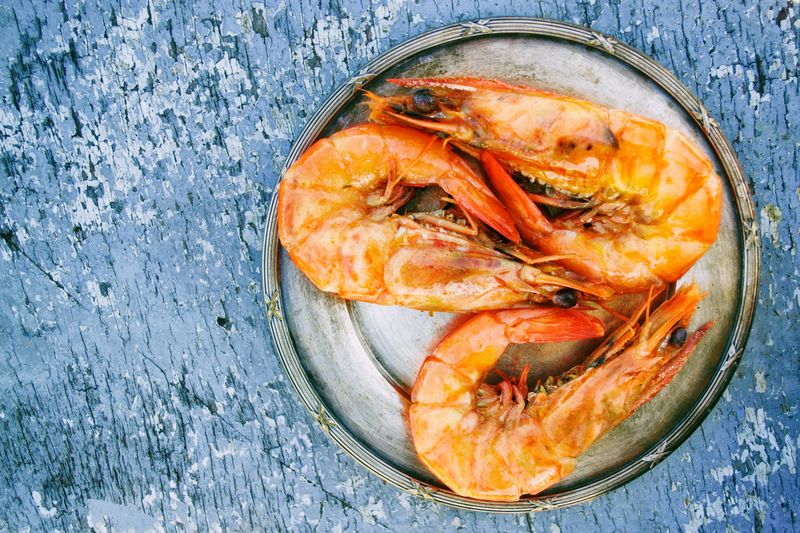
Gambas al pil pil is a Spanish dish (with roots in Basque and Madrid cuisine) where shrimp are cooked in very hot olive oil with sliced garlic and spicy chili. The name "pil pil" refers to the sound of the oil sizzling as it comes into contact with the shrimp.
It is a dish served directly in the earthenware casserole, still bubbling, and should be eaten immediately. The magic lies in the combination of oil flavored with garlic and chili, the perfect cooking point of the shrimp, and the urgency of eating it hot with bread for dipping.
Despite its apparent simplicity (only 4-5 ingredients), it is a dish where every detail matters: the quality of the shrimp, the oil temperature, the degree of browning of the garlic, and the exact moment to remove the casserole from the heat.
Gambas al pil pil vs. gambas al ajillo: The differences
They are used synonymously, but technically there are differences between pil pil and ajillo:
| Characteristic | Gambas al pil pil | Gambas al ajillo |
|---|---|---|
| Oil temperature | Very high (oil bubbles when served) | Medium-high |
| Garlic | Sliced, crispy browned | Sliced or minced, sautéed |
| Chili | Always present (spicier) | Optional or moderate |
| Presentation | In a sizzling clay pot | In a casserole or plate |
| Parsley | Optional (purist: no parsley) | Common |
| Shrimp cooking | Quick, in very hot oil | Gentler, in flavored oil |
| Origin | Basque Country / Madrid | General Spanish tradition |
In practice, many restaurants prepare them identically. The main difference is temperature: authentic pil pil arrives at the table with the oil still bubbling, implying faster and more aggressive cooking.
If you're interested in the ajillo version in more detail, check out our gambas al ajillo recipe.
Ingredients for the original recipe (2 servings)
- 300 g shrimp (peeled or shell-on, as preferred)
- 100 ml extra virgin olive oil (mild, not intense picual)
- 5-6 cloves garlic, thinly sliced
- 1-2 dried chilies (or cayenne to taste)
- Flaked sea salt (Maldon or similar)
- Crusty bread for dipping
- Optional: a tablespoon of brandy or white wine
About the shrimp: it is the main ingredient, and quality makes the biggest difference. Fresh or blast-frozen shrimp will always yield better results than shrimp slowly thawed at the fish counter. The ideal size is medium-large (16/20 pieces per kilo).
Premium Shrimp and Seafood -- From the sea to your table in 24-48h
Selection of fresh and blast-frozen shrimp, prawns, and seafood. Guaranteed cold chain, product from the Atlantic and Mediterranean. The foundation of a good pil pil.
Step-by-step recipe
Preparation (10 minutes)
- Prepare the shrimp: if using shell-on, remove only the head and intestine (the black vein on the back). The shell adds flavor to the oil. If you prefer them peeled, peel them leaving the tail.
- Dry the shrimp: with kitchen paper, dry them thoroughly. Moisture causes the oil to splatter and drop in temperature.
- Slice the garlic: thin and uniform slices so they brown at the same rate.
- Heat the clay pots: if using individual pots, heat them in the oven at 100 degrees Celsius (212°F). This helps the oil continue bubbling when it reaches the table.
Cooking (5 minutes)
- Heat the oil: in a wide pan (or directly in the clay pot if it's stovetop-safe), heat the oil over medium-high heat. It should be hot but not smoking (180-190 degrees Celsius / 350-375°F).
- Brown the garlic and chili: add the sliced garlic and the chili broken in half. Fry, stirring constantly, for 30-45 seconds. The garlic should be golden, NOT burnt. If it burns, discard everything and start over (burnt garlic will make the whole dish bitter).
- Add the shrimp: turn the heat to maximum and add the shrimp all at once. They should sizzle on contact with the oil.
- Cook for 1-2 minutes: without stirring too much. Flip the shrimp only once. They should change from translucent to pink but without overcooking. Overcooked shrimp are rubbery.
- Optional: flambé: if you want an extra touch, add a tablespoon of brandy and ignite with a long lighter. The flame will extinguish itself in 5 seconds.
- Serve immediately: transfer to the preheated clay pots or serve directly from the pan. The oil should still be bubbling.
Cooking time chart by shrimp size
| Shrimp type | Size (pieces/kg) | Time per side | Total time | Visual indicator |
|---|---|---|---|---|
| Small shrimp (quisquilla) | 60/80 | 30 sec | 1 min | Uniform pink, curled tail |
| Medium shrimp | 30/40 | 45 sec | 1.5 min | Pink with a barely translucent center |
| Large shrimp | 16/20 | 1 min | 2 min | Deep pink, firm but flexible |
| Prawns | 10/15 | 1.5 min | 3 min | Deep orange, C-shaped tail (not O-shaped) |
| Red shrimp | 16/20 | 45 sec | 1.5 min | Deeper red, tender texture |
The golden rule: it's better to undercook than overcook. The shrimp continues to cook with the residual heat of the oil. If, when cut, the center is barely translucent, it's perfectly done.
7 chef tips for a perfect pil pil
1. Make a head oil
If you've peeled the shrimp, don't throw away the heads. Sauté them in the oil for 3 minutes before adding the garlic, crushing them with a spoon to extract the coral. Then strain the oil. You'll get oil with an incredible seafood flavor.
2. Cold garlic
Add the garlic to the oil before turning on the heat. As it heats gradually, it releases more aroma without the risk of burning.
3. Chili in pieces, not whole
Break the chili in half and shake out the seeds if you don't want too much spice. If you want a pil pil with character, leave the seeds and break it into 3-4 pieces.
4. Don't crowd the pan
The shrimp should be in a single layer, not piled up. If you add too many, they will lower the oil temperature and steam instead of fry.
5. Preheat the clay pot
Put the individual clay pots in the oven at 100 degrees Celsius (212°F) 15 minutes beforehand. When pouring the hot oil into the hot pot, the bubbling will last longer at the table.
6. Salt at the end, not before
Salting shrimp before cooking extracts moisture. Add flaked salt when serving, over the shrimp already in the pot.
7. Bread is mandatory
The oil from pil pil has all the flavor of garlic, chili, and shrimp. Good crusty bread for dipping is as important as the shrimp themselves.
What shrimp to use: variety guide
| Variety | Flavor | Approx. price/kg | Ideal for pil pil? |
|---|---|---|---|
| Huelva red shrimp | Intense, sweet, iodized | €40-60 | Excellent (but almost a crime to fry them) |
| Mediterranean white shrimp | Mild, sweet | €20-35 | Very good |
| Vinaròs prawn | Meaty, intense | €30-50 | Good (more meaty than shrimpy) |
| Frozen shrimp (Atlantic) | Decent | €12-18 | Adequate for everyday |
| Frozen prawn | Mild | €8-15 | Works, firmer texture |
My recommendation: for a celebratory pil pil, fresh Mediterranean white shrimp. For a weekday appetizer, quality frozen shrimp, properly thawed (in the fridge, never under the tap or in the microwave). Red shrimp are too good for this dish: better grilled with salt.
Fresh and Blast-Frozen Seafood -- Shrimp, prawns, and more
Selection of Atlantic and Mediterranean seafood with refrigerated shipping. Blast-frozen at origin or fresh depending on the season. The quality of the raw material is everything.
Variations of shrimp pil pil
- With mushrooms: add sliced boletus or shiitake to the oil before the shrimp. It combines land and sea spectacularly.
- With cherry tomatoes: halve 6-8 cherry tomatoes and add them to the oil 1 minute before the shrimp. The acidity balances the fat.
- With clams: combine shrimp and clams. The clams go in first (they need more time to open). Check out our traditional clams al ajillo recipe.
- With brandy: flambé with brandy just before serving. The alcohol evaporates, leaving a sweet smoky aroma.
- With paprika: a teaspoon of sweet or bittersweet Pimentón de la Vera in the oil along with the garlic. It completely changes the flavor profile.
What to pair and combine with
- Wine: albariño, verdejo, or a very cold txakoli. The acidity cuts through the oil's richness.
- Beer: a cold lager or pilsner. The bitterness cleanses the palate.
- Bread: mandatory. Crusty country bread for dipping in the oil.
- As a tapa: serve it with other seafood appetizers (vinegar-marinated anchovies, octopus, mussels) for a shared platter.
Frequently asked questions
What is the difference between gambas al pil pil and al ajillo?
The main difference is in temperature and intensity: pil pil is cooked over very high heat and arrives at the table with bubbling oil, with more chili and spice. Ajillo is milder, with garlic sautéed at medium temperature and parsley as a common aromatic. In many restaurants, they are prepared identically.
Can frozen shrimp be used for pil pil?
Yes, but thaw them in the refrigerator (never under running water or in the microwave) and dry them very well with paper towels before cooking. Extra moisture causes the oil to splatter and drop in temperature, steaming the shrimp instead of frying them.
Why is it called pil pil?
The name is onomatopoeic: it imitates the sound of the bubbling oil as the shrimp cook. It has no relation to the Basque pil pil of cod (which is a gelatin emulsion). They are two different dishes with the same name.
How long do you cook gambas al pil pil?
Between 1 and 3 minutes in total, depending on the size. The key is for them to change from translucent to pink without overcooking. Overcooked shrimp are rubbery and lose all their flavor. It's better to undercook: the residual heat from the oil continues to cook them off the heat.
Can pil pil be made without chili?
Yes, but it loses its character. If you don't like spice, use only half a chili without seeds. The touch of mild spiciness is an essential part of the dish. Without chili, it's more of a "mild gambas al ajillo" than a true pil pil.
What oil is best for gambas al pil pil?
Mild extra virgin olive oil (Arbequina or Hojiblanca). An intense Picual oil can overpower the shrimp's flavor. The oil must be of good quality because it's a main ingredient, not just a cooking medium: you'll be eating the oil by dipping bread.
Can you make shrimp pil pil without a clay pot?
Yes, you can cook it in a cast-iron skillet or steel pan. But the individual clay pot presentation is not just aesthetic: the clay retains heat and keeps the oil bubbling longer at the table, which is part of the dish's experience.
🛒 Related Products from Bacalalo
⭐ 4.9/5 · Cold delivery 24-48h · Since 1990 at Mercat del Ninot
Discover our premium selection
Carefully selected seafood products since 1990 at Mercat del Ninot, Barcelona. Refrigerated delivery in 24-48h.
Conclusions
Gambas al pil pil proves that Spanish cuisine creates masterpieces with just a few ingredients. Four elements (prawns, oil, garlic, chili), an earthenware pot, and five minutes of cooking. The magic lies in the quality of each ingredient and not overcooking them.
Two unfailing rules: the best quality prawns you can afford and golden, never burnt, garlic. With that, everything else falls into place.