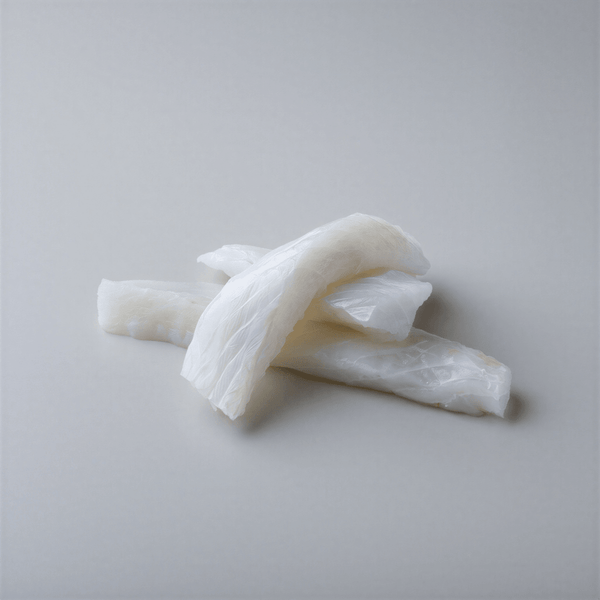
Summary: Choosing a cod supplier is not a minor decision. Cod likely appears in several dishes on your menu — from esqueixada to pil-pil, from brandade to the main course "a la llauna." A poorly managed supplier change can alter the consistency of your recipes and disappoint regular customers.
Content
Changing your cod supplier: a decision that affects your entire menu
Choosing a cod supplier is not a minor decision. Cod likely appears in several dishes on your menu — from esqueixada to pil-pil, from brandade to the main course "a la llauna." A poorly managed supplier change can alter the consistency of your recipes and disappoint regular customers.
Whether your current supplier has closed, you're looking for better quality, or you need better commercial terms, these are the 7 criteria you should evaluate before making a decision.
1. Product origin and traceability
Not all cod is the same. Icelandic cod (Gadus morhua) caught in the cold waters of the North Atlantic offers a firm texture and clean taste that distinguishes it from cod from other origins. Always ask:
- What fishing zone does it come from? (Iceland, Norway, Faroe)
- Is there lot-to-lot traceability?
- Is the desalting artisanal or industrial?
- Can you visit the facilities?
A serious supplier will provide you with technical data sheets including origin, catch method, salting and desalting process, and storage conditions.
2. Consistency between orders
The biggest problem with generalist suppliers is variability. One day you receive perfect fillets, and the next, irregular pieces that don't fit your standard dish. Evaluate:
- Are the grammages consistent from order to order?
- Is the residual salt level uniform?
- Are the texture and color stable?
Request samples from 3 different deliveries before committing. If all 3 are indistinguishable, you have a good supplier.
Related Bacalalo Products


3. Range of available cuts
A specialized supplier should offer you exactly the cut your menu needs, not force you to adapt your recipe to the available format.
| Dish | Optimal cut | Portion weight |
|---|---|---|
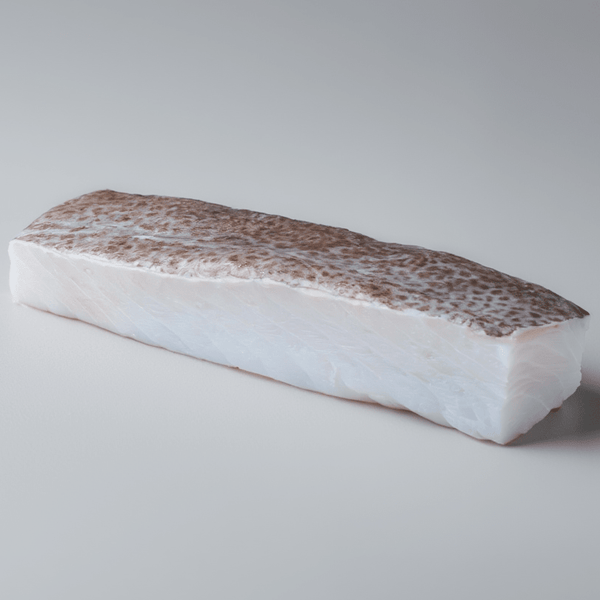
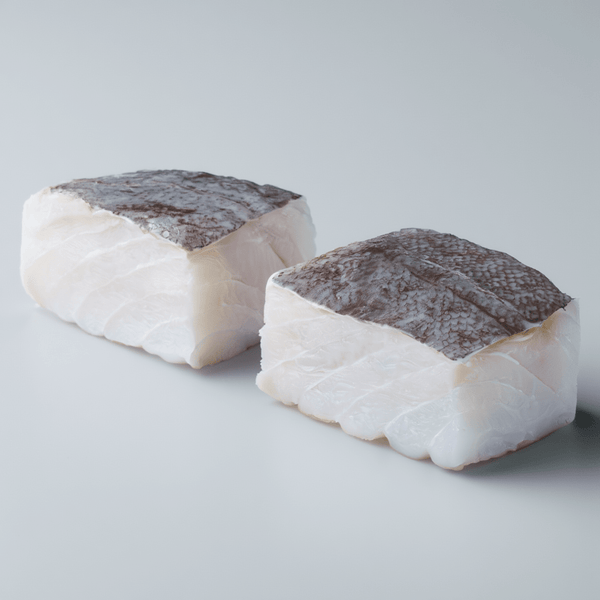
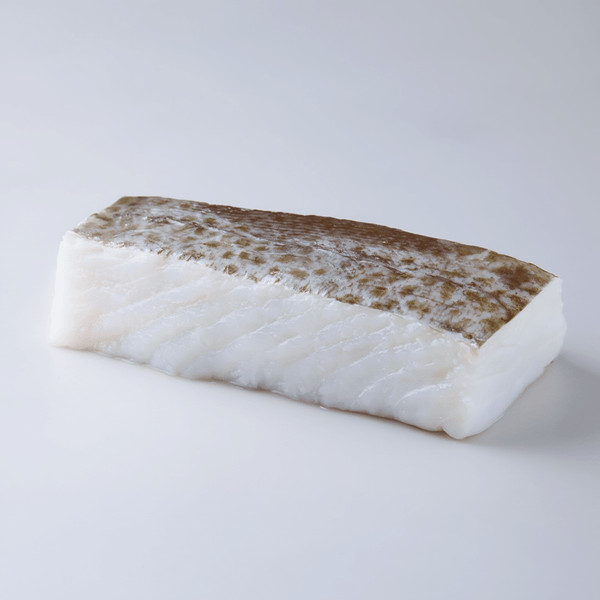
| Cod a la llauna | Thick loin with skin | 180-220g |
| Pil-pil | Special penca (kokotxas) | 150-180g |
| Esqueixada | Flakes or shredded | 100-120g |
| Brandada / Croquettes | Shredded or diced | Variable (per kg) |
| Baked cod | Clean, boneless loin | 200-250g |
4. Logistics and cold chain
The best cod in the world loses its value if it arrives at your kitchen in poor condition. Minimum criteria:
- Refrigerated transport (0-4°C) with temperature recording
- Deliveries within agreed time slot (morning, before service)
- Vacuum-packed individually or by batch
- Possibility to modify orders with 24-48h notice
- Delivery coverage in your area (Barcelona city, metropolitan area)
5. Transparent commercial terms
Be wary of suppliers who don't provide clear prices in writing. A good B2B supplier will offer you:
- Kg rates according to format and volume
- Volume discounts or monthly commitment
- Clear payment terms (cash, 15, 30, 60 days)
- No hidden transport or preparation costs
- Stable prices guaranteed per quarter
6. Gastronomic advisory capacity
The value of a specialized supplier goes beyond the product. A good cod supplier should be able to advise you on:
- Which cut works best for each preparation
- How to optimize waste and yield
- Seasonal trends and complementary products
- Detailed technical sheets for your kitchen team
This gastronomic consultancy is a key differentiator between a generalist and a specialized supplier.
7. References and track record
A supplier with decades of experience in the Barcelona market has survived crises, regulatory changes, and market fluctuations. That says a lot about their reliability. Ask:
- How many years have they been serving the hospitality industry?
- Can you speak to other restaurateurs who work with them?
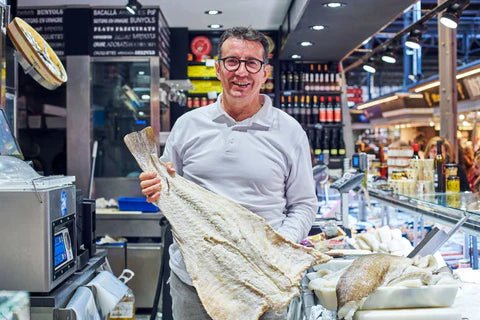
- Do they have a physical presence (store, market stall) or do they only operate online?
🛒 Products mentioned in this article
⭐ 4.9/5 · Cold shipping 24-48h · Since 1990 at Mercat del Ninot
Conclusions
- Changing your cod supplier: a decision that affects your entire menu: Choosing a cod supplier is not a minor decision.
- 1. Product origin and traceability: A serious supplier will provide you with technical data sheets including origin, catch method, salting and desalting process, and conditions.
- 2. Consistency between orders: Request samples from 3 different deliveries before committing.
- 3. Range of available cuts: The best cod in the world loses its value if it arrives at your kitchen in poor condition.
- 4. Logistics and cold chain: Be wary of suppliers who don't provide clear prices in writing.
- 5. Transparent commercial terms: The value of a specialized supplier goes beyond the product.
- 6. Gastronomic advisory capacity: This gastronomic consultancy is a key differentiator between a generalist and a specialized supplier.
- 7. References and track record: If you plan well, 1-2 weeks.
Frequently asked questions
How long does the process of changing suppliers take?
If you plan well, 1-2 weeks. Request samples, test them in 2-3 dishes on your menu, and if everything works, make a gradual transition, keeping stock from the current supplier during the first delivery from the new one.
Is it possible to work with two suppliers at once?
Yes, and many restaurants do. You can use a specialized supplier for premium cod (menu dishes) and another for general-use products (croquettes, brandade). The important thing is not to compromise the quality of your signature dishes.
What do I do if a delivery doesn't meet the standard?
A professional supplier will have an incident protocol: immediate replacement or credit on the next invoice. Establish this in writing before starting the commercial relationship.
Discover our selection of premium desalted cod for restaurants at Bacalalo.
What is the most important factor when choosing an approved food supplier?
A good supplier will give you total transparency and guarantee that their products comply with the highest standards of hygiene and safety, such as those of the following regulations: International Food Standard (IFS): responsible for regulating audits, verifying suppliers, logistics, and safety.
How to choose cod?
Characteristics of premium quality cod Superior cod presents a uniform ivory color, without yellowish spots or brownish areas that reveal lipid oxidation. The surface should exhibit a natural pearlescent appearance, free of excessive salt crystallizations or foreign adhesions.
What suppliers does a restaurant need?
Raw material suppliers. Equipment suppliers. Furniture and accessories suppliers. Service providers.