Corvina is the quintessential Peruvian ceviche fish. This is no accident: its white, firm, and clean-tasting flesh withstands the acidity of lime without falling apart or becoming mealy. If you've tried ceviches that turned out gummy, mushy, or too acidic, the problem was almost always not in the recipe, but in the fish and the timing. Here's the method for making an authentic corvina ceviche, with leche de tigre as the true star.
A note to avoid confusion: on the blog, we have other ceviche versions (cod and octopus), which use different products and techniques. This article is specific to fresh corvina, the classic fish for Lima-style ceviche, with its own cuts and timings.
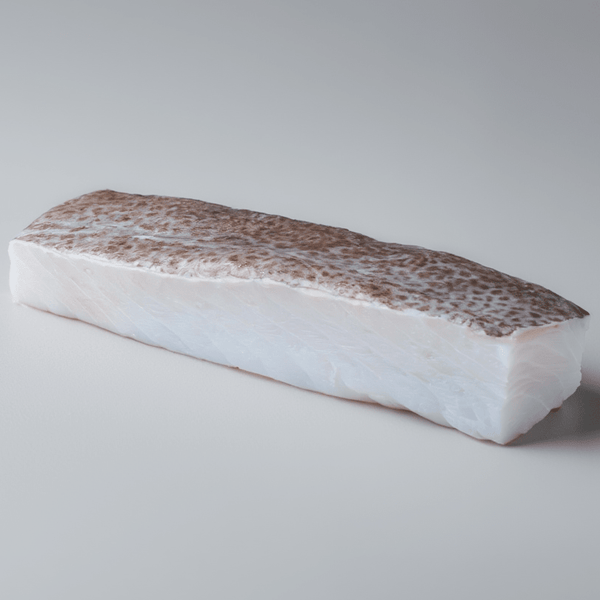
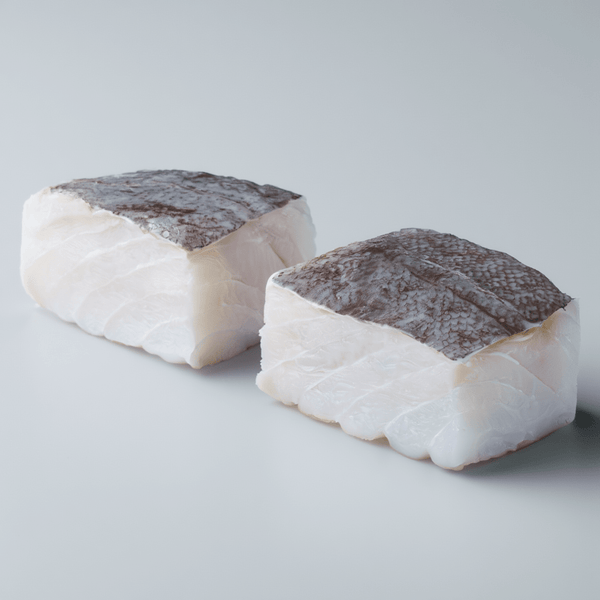
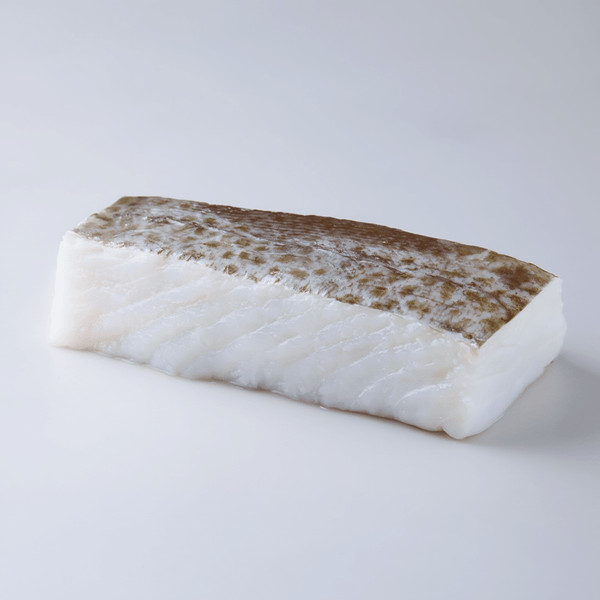
What corvina to use: freshness and quality grade
Ceviche is eaten practically raw: the lime "cooks" the surface, but the fish is not exposed to heat. This makes the quality and freshness of the fish non-negotiable.
- Real freshness: Corvina should smell of the sea, not fish. The flesh should be firm, shiny, and translucent, with no dull areas or yellowish spots. If you buy the whole fish, the eyes should appear bulging and clear, and the gills a vibrant red.
- Clean loin, no blood: Ask for the loins to be filleted without bones and remove the dark central bloodline. This part gives a strong flavor and soft texture; in ceviche, remove it.
- Sushi-grade quality (suitable for raw consumption): Since it will be eaten raw, it's best to use corvina handled with a strict cold chain. In Spain, regulations require pre-freezing fish that will be eaten raw or nearly raw to prevent anisakis: a minimum of 24 hours at -20 °C (or the time indicated by your home freezer, usually 5 days if it doesn't reach that temperature). If you buy fish labeled "suitable for raw consumption," it has already been treated; otherwise, freeze it yourself beforehand and thaw it in the refrigerator.
- Size of the piece: Thicker loins are better than thin fillets. The thickness allows for regular cubes that retain juice inside and don't get "overcooked" by the marinade.
If you can't find corvina, the best substitutes are sea bass, grouper, or snapper: white, firm, and mild-flavored flesh. The technique described below is the same. The same logic of properly treated and correctly desalted fish applies to our desalted cod ready to cook: clean product, perfectly cured, and without surprises.
Ingredients and leche de tigre
Leche de tigre (tiger's milk) is the citrusy, spicy, and aromatic juice that forms when ceviche is marinated. It's the soul of the dish: a good ceviche is recognized by its balanced leche de tigre, neither bland nor aggressive. These quantities are for 4 people as a starter.
- 600 g fresh corvina loin (sushi-grade), skinless and boneless
- 10-12 limes (or small, juicy green lemons), about 150 ml juice
- 1 medium red onion, thinly sliced julienne
- 1 ají limo or ½ fresh chili (to taste for spiciness), seeded
- 1 small piece of celery (15 g) and a few sprigs of fresh cilantro
- 1 small garlic clove
- 1 thumbnail-sized piece of fresh ginger (optional)
- Generous amount of salt (preferably sea salt)
- Ice (1 or 2 cubes for the leche de tigre)
- To accompany: 1 cooked sweet potato or camote, toasted corn (cancha) or boiled corn (choclo), lettuce leaves
The secret to a well-rounded leche de tigre is not just the lime. Celery, garlic, ginger, and cilantro perfume it; onion adds freshness; ice keeps it cold and softens the acidity. And salt, added at the right moment, "awakens" the flavor of the fish.
Step-by-step: cutting, marinating, and timing
Corvina ceviche is made in minutes, but each step has its purpose. Always work with very cold fish and clean utensils.
- Chill everything. Put the bowl where you will marinate and the corvina loins in the coldest part of the refrigerator 20 minutes beforehand. Cold slows down the acidic cooking and maintains a firm texture.
- Cut the corvina into cubes. With a very sharp knife, cut regular cubes of 1.5-2 cm. Cut against the grain (perpendicular to the fibers) so they remain tender. Avoid pieces that are too small: they will over-marinate and become gummy.
- Cure the onion. Thinly slice the red onion julienne and leave it for 5 minutes in ice water. This reduces its aggressive pungency and makes it crisp.
- Prepare the leche de tigre. In a bowl, squeeze the limes without pressing the peel (bitterness comes from there). Add grated garlic and ginger, finely chopped celery, a few sprigs of cilantro, salt, and an ice cube. Stir and let infuse for 2-3 minutes; strain if you want it clear.
- Salt the fish first. Place the corvina cubes in the cold bowl and salt them directly. Stir for 30 seconds: the salt begins to draw out juice and prepares the surface for the lime.
- Add the lime and marinate. Pour the leche de tigre over the corvina. Stir gently and marinate for only 2-3 minutes for a juicy texture (the center of the cube will remain pearly), or up to 8-10 minutes if you prefer it more "cooked" and opaque. Do not leave it longer: the corvina will continue to cook on the plate.
- Assemble and serve immediately. Add the drained onion and chopped ají, adjust salt, sprinkle with cilantro, and serve immediately with sweet potato, corn, and the leche de tigre poured over. Ceviche doesn't wait: it should be eaten freshly made.
Tips to prevent it from being gummy or too acidic
Almost all failures in corvina ceviche boil down to two issues: gummy texture or acidity that overpowers the fish. These are avoided with technique, not luck.
- Do not over-marinate. This is the number one mistake. Lime "cooks" quickly; after a few minutes, the protein contracts too much, and the cube becomes tough and gummy. Watch the clock: 2-3 minutes for juicy.
- Fish and leche de tigre very cold. Heat accelerates acidic cooking and reduces firmness. Cold = texture.
- Squeeze the lime without bitterness. Do not press the peel or use juice that's hours old (it becomes bitter and oxidizes). Squeeze just before using.
- Salt before lime. Salting the fish first enhances its flavor and prevents the acid from "washing it out." If you salt it at the end, it will be bland and watery.
- Balance acidity. If it's too acidic, don't add water: correct with a little more salt, a touch of cured onion, or a few drops of cold fish broth. The sweet potato garnish also helps balance it.
- Regular and dry cubes. Pat the corvina dry with paper towels before cutting; excess water dilutes the leche de tigre.
Variations: mango, ají, and mixed
The classic corvina recipe allows for twists without losing its essence. Some worth trying:
- Corvina ceviche with mango: add cubes of ripe mango when assembling. The tropical sweetness balances the acidity and adds color. Works especially well in summer.
- Ceviche with more ají (northern style): increase the spice with ají amarillo paste or extra ají limo. A touch of creamier leche de tigre, made by blending a piece of fish with the juice, rounds out the dish.
- Mixed ceviche: combine corvina with pre-cooked seafood (shrimp, octopus, or squid). Here, the corvina provides the raw base, and the seafood adds texture and flavor. If you want to add octopus, cook it separately until tender before incorporating it.
- With Asian-inspired leche de tigre: an extra pinch of ginger and a few drops of soy sauce give a very modern Nikkei twist.
Whatever the variation, the rule remains the same: extremely fresh fish, cold, and marinated at the last minute.
Frequently asked questions
Can you make ceviche with frozen corvina?
Yes, and in fact, it is recommended for safety. To consume raw fish in Spain, it must be pre-frozen (minimum 24 hours at -20 °C) to eliminate anisakis. Thaw it slowly in the refrigerator, pat it dry, and use it as you would fresh corvina. The texture will barely change if the piece was of good quality.
How long should corvina marinate in lime?
Between 2 and 3 minutes for a juicy ceviche with a pearly center, and up to 8-10 minutes if you prefer it more opaque and "cooked." Any longer and the fish will become gummy. Serve it immediately because it continues to marinate on the plate.
Why does my ceviche turn out tough or gummy?
Due to over-marinating or working with the fish at room temperature. The acid in the lime contracts the protein: if you leave it too long or the fish isn't cold, it becomes tough. Cut regular cubes of 1.5-2 cm, keep everything cold, and respect the timings.
Want to take your raw, well-treated fish technique to another level? Start with the raw material: discover our quality desalted cod, ready for clean and precise preparations where the product takes center stage.