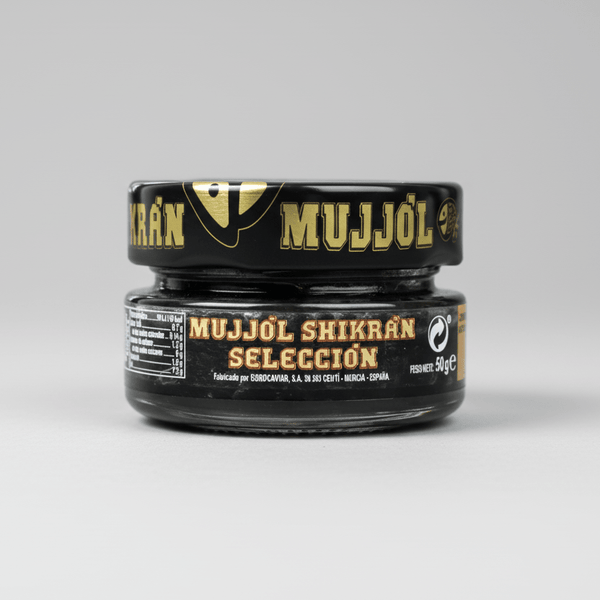
Quick Answer: During pregnancy, fresh (unpasteurized) caviar is not recommended due to the risk of listeria. Pasteurized caviar in jars or cans, sterilized at over 60°C, is safe. AESAN recommends always checking that the label indicates "pasteurized." Mullet and salmon roe with heat treatment are also suitable.
Can you eat caviar during pregnancy?
It depends on the type:
- Fresh caviar (malossol, refrigerated, unpasteurized): NOT recommended. Risk of listeria.
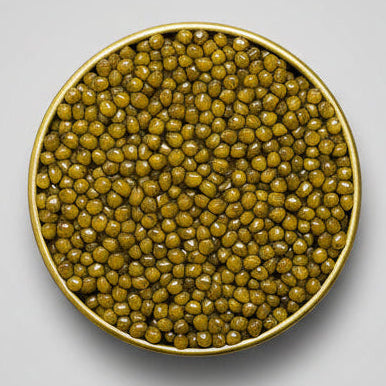
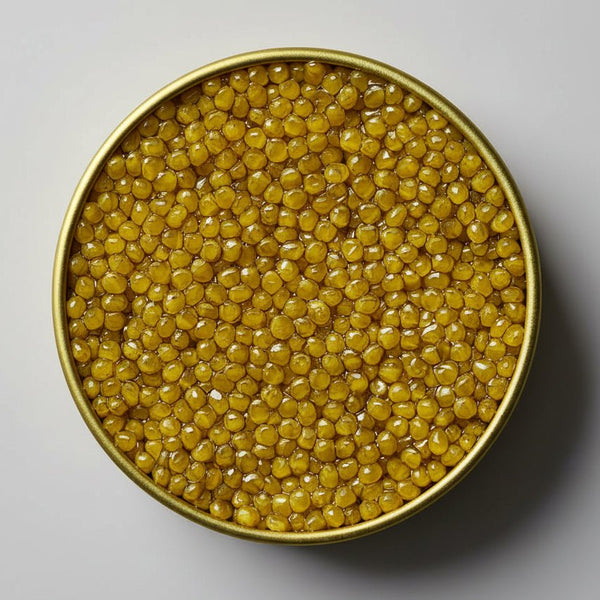
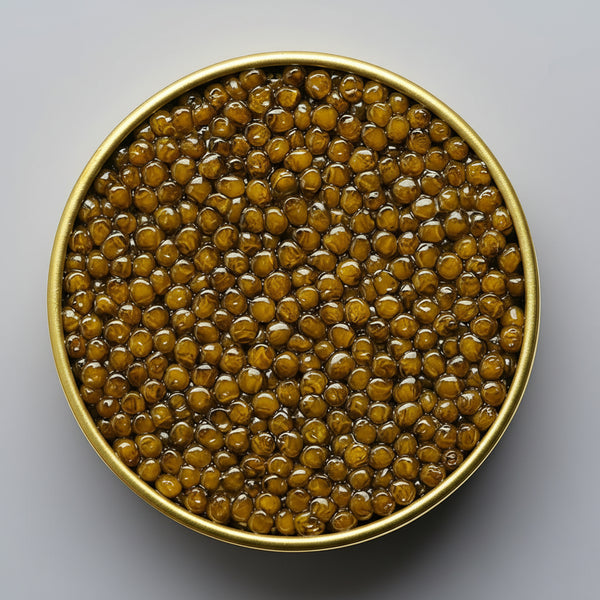
- Pasteurized caviar (jar/can with heat treatment): RECOMMENDED. Safe due to sterilization.
- Caviar substitutes (colored lumpfish roe): generally pasteurized, check label.
Fresh vs. pasteurized caviar: the key difference
"Malossol" caviar (literally "little salt" in Russian) is premium caviar, refrigerated at 0-4°C, without heat treatment. This preserves its delicate texture and flavor, but does not eliminate pathogens like listeria.
Pasteurized caviar is heated to 60-75°C for several minutes to destroy bacteria. It loses some texture and nuances, but gains a lot in safety and preservation. It is the appropriate option during pregnancy.
How to identify:
- Label with "pasteurized" or "pasteurizado": suitable.
- Label "malossol," "fresh," or "raw": not suitable.
- Refrigerated box in a specialty store: probably fresh — ask.
- Can or jar at room temperature: probably pasteurized, but verify.
Listeria risk in caviar
Fresh caviar is stored in cold conditions, precisely the environment in which Listeria monocytogenes can multiply (unlike other bacteria that do not grow in the cold). The consequences for an infected pregnant woman are serious:
- Spontaneous abortion in the first trimester.
- Premature birth in the second/third trimester.
- Neonatal sepsis or meningitis.
Although the statistical probability of infection is low, the consequences justify caution. WHO and AESAN agree on this recommendation.
Safe alternatives during pregnancy
TANIT Premium Trout Roe - 100g Pasteurized roe, with a similar profile to traditional caviar and safe during pregnancy. Verify pasteurization on the label. View product →- Pasteurized roe (mullet, trout, lumpfish): safe if the label indicates it.
- Pasteurized canned caviar: 100% safe.
- Vegetable alternatives: soybean roe or seaweed pearls, with no biological risk.
How to check the label correctly
Look for:
- The word "pasteurized" on the packaging (in Spanish, English, French, or Russian "пастеризованный").
- The pasteurization temperature: ideally between 60-75°C.
- A long expiration date (several months): almost always indicates pasteurization.
- No phrase "Malossol", "Fresh" or "Unpasteurized".
If in doubt, ask the specialist vendor. Most premium stores know how to distinguish and advise.
Common mistakes
- "Since it's expensive, it's safe": price does not guarantee pasteurization. Premium fresh caviar is the riskiest.
- "I'll freeze it, and that's it": freezing does not eliminate listeria.
- "I saw someone pregnant eat it": the risk is statistically low but serious. It's not a justification.
Can I eat pasteurized caviar when pregnant?
Why is fresh caviar not recommended?
Are salmon or trout roe safe?
How do I distinguish fresh from pasteurized caviar?
I ate caviar without knowing if it was pasteurized?
Can I eat sushi with flying fish roe (tobiko)?
After giving birth, can I eat fresh caviar?
Is there safe vegetable caviar?
Discover our premium selection
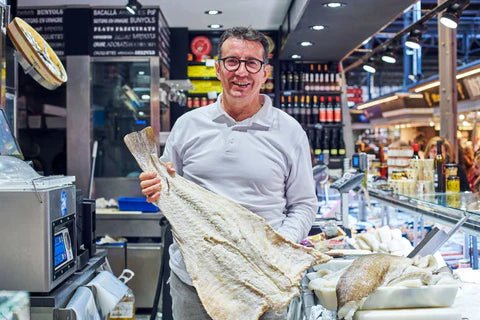
Seafood products carefully selected since 1990 at Mercat del Ninot, Barcelona. Refrigerated shipping in 24-48h.