Summary: Why is salted cod still the king of the Spanish pantry? Current panorama of salted cod in Spanish supermarkets Evolution of the offering in large stores Main brands available in the Spanish market Comparative analysis: packaged versus traditional cod Advantages of vacuum-packed cod Characteristics of traditional bulk cod Complete guide to cod cuts: characteristics and culinary uses Cod loin: the jewel in the crown Shredded cod: practicality and economy Cod jowl: concentrated flavor and gelatinous texture Price comparison: analysis by supermarket chains var coll = document.
- Why is salted cod still the king of the Spanish pantry?
- Current panorama of salted cod in Spanish supermarkets
- Evolution of the offering in large stores
- Main brands available in the Spanish market
- Comparative analysis: packaged versus traditional cod
- Advantages of vacuum-packed cod
- Characteristics of traditional bulk cod
- Complete guide to cod cuts: characteristics and culinary uses
- Cod loin: the jewel in the crown
- Shredded cod: practicality and economy
- Cod jowl: concentrated flavor and gelatinous texture
- Price comparison: analysis by supermarket chains
Content
- Why is salted cod still the king of the Spanish pantry?
- Current panorama of salted cod in Spanish supermarkets
- Comparative analysis: packaged versus traditional cod
- Complete guide to cod cuts: characteristics and culinary uses
- Price comparison: analysis by supermarket chains
- Conclusions
- Frequently asked questions
Why is salted cod still the king of the Spanish pantry?
Salted cod has been part of Spain's gastronomic DNA for centuries. This Nordic fish, transformed by the ancient salting technique, has conquered our kitchens, becoming an essential ingredient for emblematic dishes such as bacalao al pil pil, brandada, and cod croquettes.
Nowadays, finding quality cod no longer necessarily requires visiting a traditional fishmonger. Supermarkets have significantly expanded their offerings, presenting multiple options ranging from traditional cod to vacuum-packed versions. However, this diversification also raises questions: what are the differences between the various presentations? How do you choose the right cut for each recipe?
The choice of the correct cod directly influences the final result of our dishes. A premium loin does not behave the same as economical shredded cod, and knowing these differences will allow us to get the most out of our gastronomic investment.
Current panorama of salted cod in Spanish supermarkets
Evolution of the offering in large stores
Spanish supermarkets have undergone a remarkable transformation in their salted cod section in recent years. Previously limited to one or two basic options, the current offering presents a surprisingly wide range that includes different origins, cuts, and preservation formats.
Large chains such as Mercadona, Carrefour, El Corte Inglés, and Eroski have incorporated both their own brands and specialized brands. This evolution responds to a growing demand from consumers seeking quality without sacrificing the convenience of shopping in one place.
Vacuum-packed format has revolutionized the commercialization of cod in supermarkets. It allows for longer shelf life, facilitates storage, and provides detailed information about origin, dates, and product characteristics.
Main brands available in the Spanish market
The Spanish market has several brands that have firmly positioned themselves on supermarket shelves:
- Ubago: Traditional brand with a wide range of cuts and presentations
- Giraldo: Specializing in premium cod with quality certifications
- Noruega: Focused on authentic Nordic-origin cod
- Hacendado: Mercadona's private label with a competitive quality-price ratio
- Carrefour Bio: Organic option for conscious consumers
Each brand presents distinctive characteristics in terms of origin, processing, and salt levels. Some prioritize artisanal tradition, while others focus on technological innovation to ensure consistency and freshness.
Comparative analysis: packaged versus traditional cod
Advantages of vacuum-packed cod
Vacuum-packed cod offers clear benefits for the modern consumer. Airtight preservation maintains optimal product moisture, preventing excessive dehydration that can affect both texture and final flavor.
This technology allows for precise control of storage conditions. The product maintains its organoleptic properties for longer periods, reducing food waste. Furthermore, packaging facilitates exact portioning, allowing specific quantities to be purchased without loss.
From a sanitary point of view, vacuum packaging minimizes product handling and significantly reduces the risk of cross-contamination. Traceability controls are more effective, providing detailed information on origin, processing dates, and storage conditions.
Characteristics of traditional bulk cod
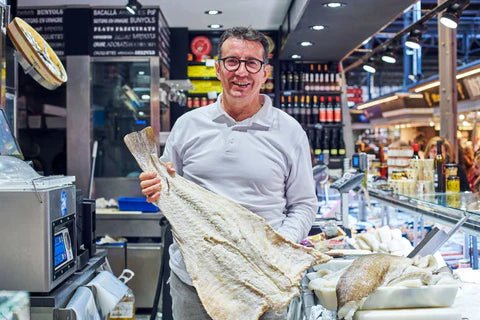
Traditional cod, sold in bulk at specialized fish markets or delicatessen sections, maintains certain attractions that differentiate it from packaged versions. The ability to visually examine the product before purchase allows for evaluation of aspects such as color, surface texture, and moisture level.
Buying traditional cod offers the advantage of being able to request custom cuts according to the specific needs of each recipe, something impossible with pre-packaged products.
However, this format presents obvious limitations. Exposure to air causes progressive dehydration, especially on exposed surfaces. The risks of cross-contamination increase due to constant handling and contact with other products.
Cold chain control is more complex for bulk products, where temperature variations can affect final quality. In addition, traceability information is often more limited, making it difficult to gain precise knowledge about origin and processing.

Related Cod Products


Complete guide to cod cuts: characteristics and culinary uses
Cod loin: the jewel in the crown
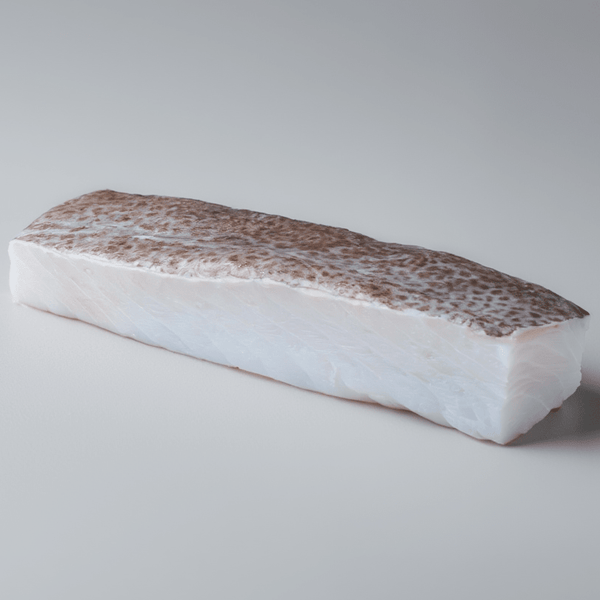
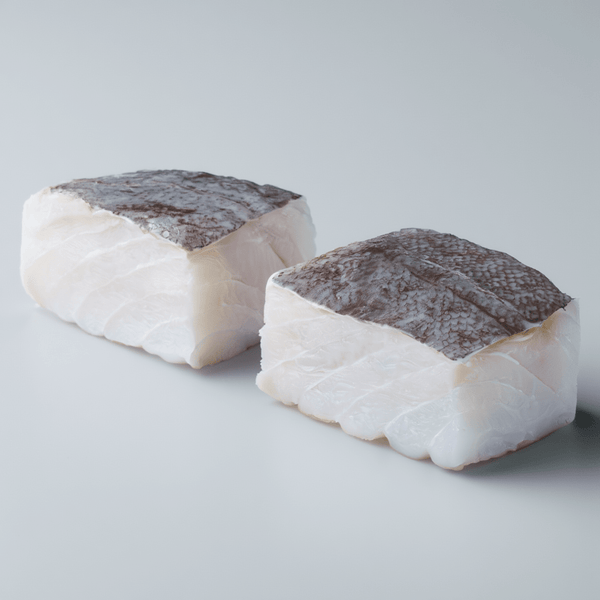
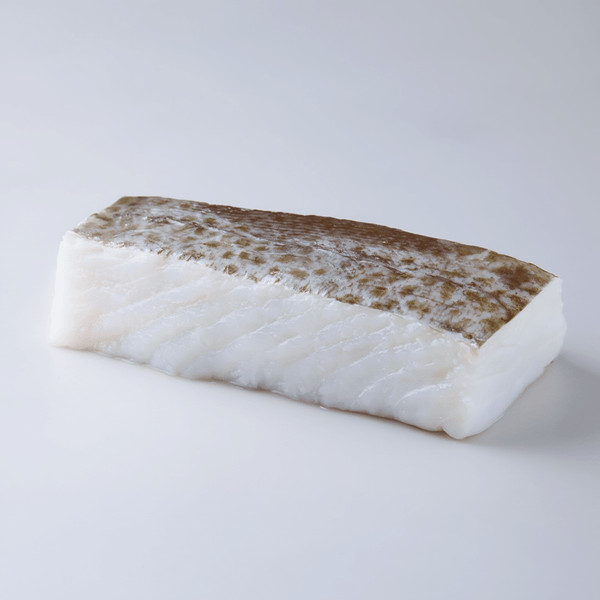
The loin represents the most noble and prized part of salted cod. This central piece of the fish is characterized by its firm texture, pearly white color, and practical absence of bones. The muscle fibers have a regular arrangement that facilitates both desalting and subsequent culinary preparation.
Its considerable thickness allows for multiple cooking techniques without the risk of falling apart. It is ideal for preparations where cod must maintain its structure, such as bacalao al pil pil, confit in oil, or grilled. The price of the loin usually doubles or triples that of other cuts, justified by its superior quality and versatility.
In supermarkets, the loin is often presented in individual vacuum-packed portions, weighing between 200 and 400 grams. This presentation facilitates portion control and allows for more homogeneous desalting.
Shredded cod: practicality and economy
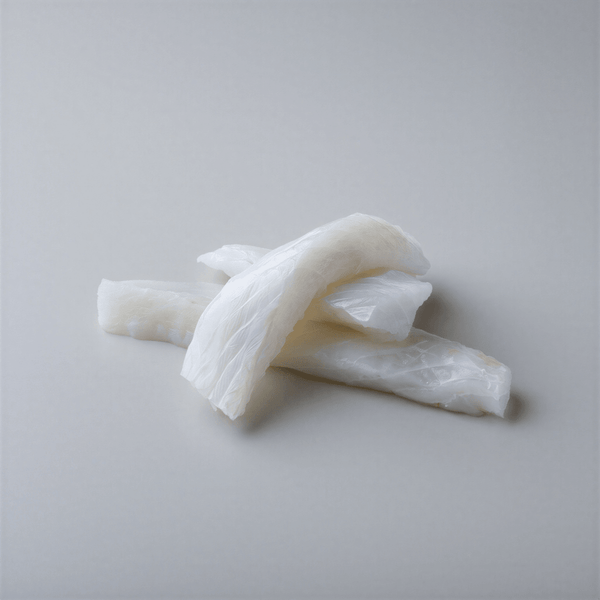
Shredded cod consists of small fragments obtained during the processing of larger pieces. Although it may seem like a lower-category product, it has specific advantages that make it a preferred option for certain preparations.
Its fragmented format significantly speeds up the desalting process, reducing soaking times from 24-48 hours to barely 4-6 hours. This characteristic is especially valuable for home kitchens where prior planning can be complicated.
| Cut | Desalting time | Average price/kg | Main uses |
|---|---|---|---|
| Loin | 24-48h | €35-50 | Main dishes, confits |
| Shredded | 4-6h | €15-25 | Croquettes, brandade, fillings |
| Jowl | 12-18h | €20-30 | Stews, soups, broths |
For preparations like croquettes, brandade, fritters, or empanada fillings, shredded cod offers an exceptional value for money. Its already fragmented texture integrates perfectly into dishes where cod needs to be mixed with other ingredients.
Cod jowl: concentrated flavor and gelatinous texture
The jowl is one of the most distinctive parts of cod, though often misunderstood by consumers unfamiliar with this specific cut. Its high collagen content gives it a unique gelatinous texture that provides exceptional creaminess to stews and broths.
During prolonged cooking, collagen transforms into natural gelatin, thickening sauces and providing a creamy, enveloping mouthfeel. This characteristic makes the jowl a fundamental ingredient for cod soups, traditional stews, and slow-cooked dishes.
Processing the jowl requires specific techniques due to its irregular shape and the presence of cartilage. Careful desalting is crucial, as its dense structure tends to retain salt more intensely than other parts of the fish.

Price comparison: analysis by supermarket chains
Price differences between chains can be substantial, especially for premium products like cod loin. Mercadona maintains a competitive pricing strategy in its basic range, while El Corte Inglés positions itself in the premium segment with high-quality offerings.
Carrefour offers the widest range, from economical options to gourmet products, allowing you to find the optimal balance between quality and price according to specific needs. Eroski focuses on local and sustainable products, with generally higher prices justified by additional certifications.
Seasonal promotions can significantly alter these balances. During holiday or Lenten periods, cod offers intensify, presenting interesting opportunities to stock up on quality products at reduced prices.
Discover our selection of desalted cod at Bacalalo.
→ See our selection of desalted Icelandic cod
The supermarket alternative: Icelandic cod delivered to your home
Same Gadus morhua, better quality, shipped refrigerated in 24-48h.
⭐ 4.9/5 · Refrigerated shipping 24-48h · Since 1990 at Mercat del Ninot
Conclusions
- Why is salted cod still the king of the Spanish pantry?: Salted cod has been part of the Spanish gastronomic DNA for centuries.
- Current panorama of salted cod in Spanish supermarkets: Spanish supermarkets have undergone a remarkable transformation in their salted cod section in recent years.
- Comparative analysis: packaged versus traditional cod: Vacuum-packed cod offers clear benefits for the modern consumer.
- Complete guide to cod cuts: characteristics and culinary uses: The loin represents the noblest and most prized part of salted cod.
- Price comparison: analysis by supermarket chains: Price differences between chains can be substantial, especially for premium products like cod loin.
Frequently asked questions
Which brand of cod is the best?
Nowadays, finding quality cod no longer necessarily requires going to the traditional cod shop. Supermarkets have considerably expanded their offerings, presenting multiple options ranging from traditional cod to vacuum-packed versions. However, this diversification also raises questions: what are the differences between the various presentations?
Is salted cod better than fresh cod?
Spanish supermarkets have undergone a remarkable transformation in their salted cod section in recent years. Previously limited to one or two basic options, the current offering presents a surprisingly wide range that includes different origins, cuts, and preservation formats.
Is salted cod healthy?
Spanish supermarkets have undergone a remarkable transformation in their salted cod section in recent years. Previously limited to one or two basic options, the current offering presents a surprisingly wide range that includes different origins, cuts, and preservation formats.
What is cheaper than cod?
Nowadays, finding quality cod no longer necessarily requires going to the traditional cod shop. Supermarkets have considerably expanded their offerings, presenting multiple options ranging from traditional cod to vacuum-packed versions. However, this diversification also raises questions: what are the differences between the various presentations?