Icelandic cod is renowned as the best in the world, and it's not marketing: it's biology, geography, and fisheries management. The cold, nutrient-rich waters of the Icelandic North Atlantic produce a Gadus morhua with firmer, whiter, more gelatinous flesh and higher protein content than any other origin. From Mercat del Ninot in Barcelona, where we have been selecting cod for over 30 years, I will explain why origin makes a difference, how to distinguish Icelandic cod from Norwegian cod, and what makes this fish so special.
Iceland: A Country Built on Cod
Iceland is a volcanic island in the middle of the North Atlantic, with a population of just 380,000 and an economy that for centuries depended almost exclusively on one thing: cod. Until the 1990s, when tourism and technology began to diversify the economy, cod fishing accounted for more than 70% of Icelandic exports.
Iceland's relationship with cod is so profound that it led to three military conflicts with the United Kingdom, known as the "Cod Wars" (1958, 1972, and 1975), in which Iceland unilaterally expanded its territorial waters to protect its fishing grounds. A country of 200,000 inhabitants facing a world power over a fish. And it won all three times.
This level of importance explains something fundamental: no country in the world manages its cod fishery with more rigor than Iceland. Catch quotas are established with scientific data updated annually, traceability is total (every vessel, every catch, every lot is registered), and investment in processing technology is cutting-edge. Icelandic cod is not only good because of its waters: it is good because the entire system surrounding it is designed to produce the best possible product.

The Coldest Waters, the Best Cod
The quality of cod directly depends on the water temperature where the fish lives. And here Iceland has an insurmountable geographical advantage.
Cod (Gadus morhua) is a cold-water fish that thrives between 2 °C and 8 °C. At these temperatures, its metabolism is slow, which means it grows slowly but develops denser flesh, with more protein and less water. It's the same principle as with mountain animals that grow slowly and yield more flavorful meat.
Icelandic waters are in the perfect range: between 1 °C and 6 °C all year round. Furthermore, the confluence of the warm Gulf Stream (coming from the Caribbean) with the cold Arctic currents creates an area of extraordinary biological richness. Plankton thrives, small fish multiply, and cod feed abundantly. Well-fed cod in cold waters means firm, white, and gelatinous flesh.
Compare this with other fishing areas:
- Norway (Lofoten): waters between 4 °C and 10 °C. Slightly warmer, which produces slightly softer cod.
- Faroe Islands: waters similar to Iceland (3-7 °C). Cod of comparable quality but with lower production.
- Barents Sea (Russia/Norway): very cold waters (0-4 °C) but with less biodiversity. Firm cod but less gelatinous.
- Canada (Newfoundland): waters between 0 °C and 5 °C. Historically the largest fishing ground in the world, but overfishing caused the population to collapse in 1992 and it has never fully recovered.
Icelandic Gadus morhua: Distinguishing Characteristics
Icelandic Gadus morhua has physical characteristics that distinguish it from other origins:
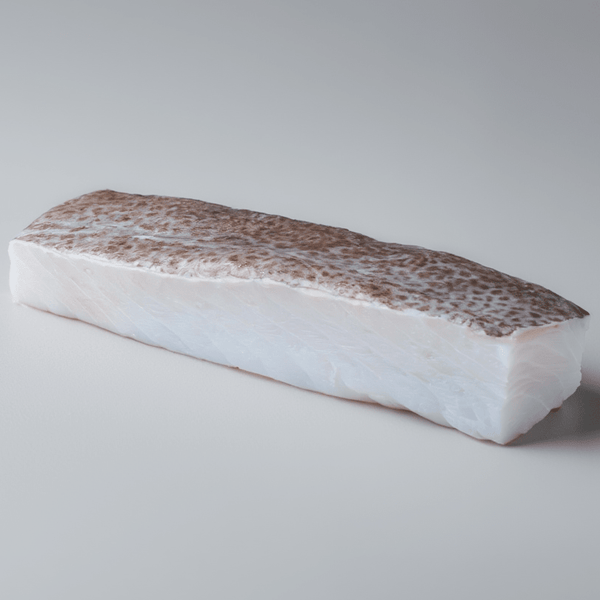
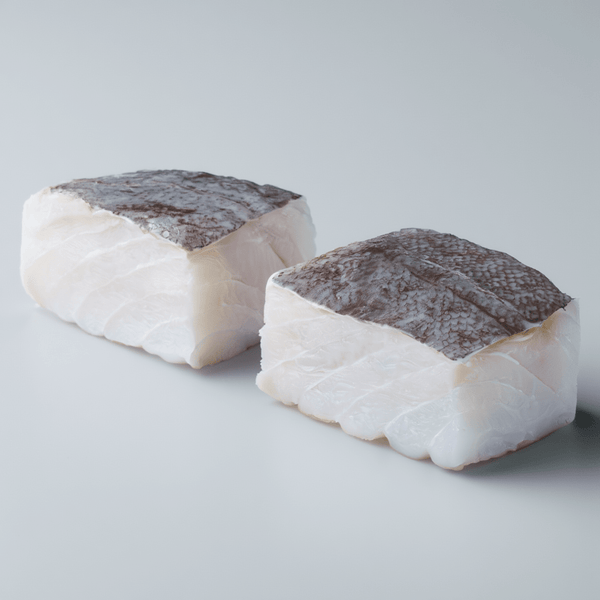
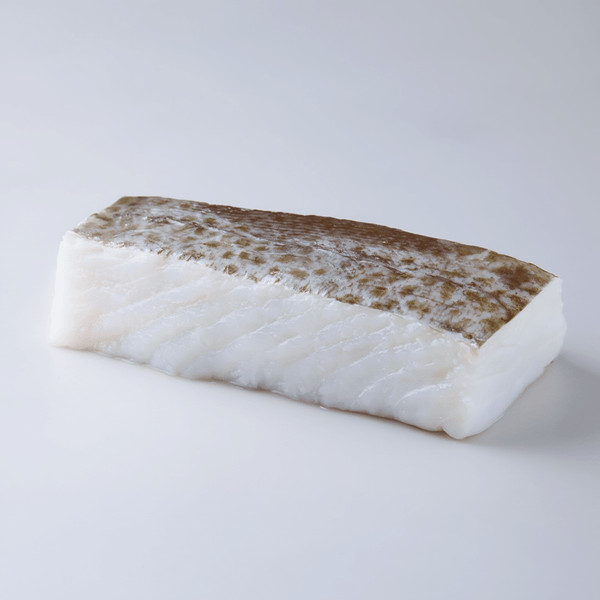
- Whiter flesh: the diet rich in small fish and crustaceans gives Icelandic cod a bright ivory-colored flesh, without yellowish or grayish tones that indicate lower quality.
- More gelatin: the skins of Icelandic cod are thicker and more gelatinous. This is immediately noticeable when making a pil pil: the emulsion forms faster and the result is creamier.
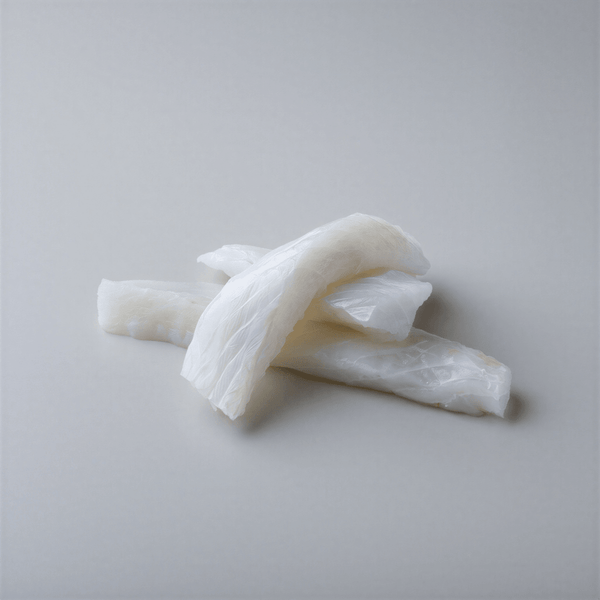
- Flaky texture: when confiting or cooking an Icelandic loin, the flesh opens into wide, regular flakes, separated by thin layers of gelatin. It is the texture that identifies premium cod.
- Higher protein content: between 18% and 20% protein (vs. 15-17% from warmer origins). More protein means more flavor and more body in the dish.
- Lower fat content: Icelandic cod is exceptionally lean (0.5-0.7% fat), but the little fat it has is concentrated in the liver, which is where the famous cod liver oil is produced.

Sustainable Fishing: The Icelandic Model
Sustainability is not a slogan in Iceland: it is survival. A country that depends on cod for its existence cannot afford the luxury of depleting its resources.
The Icelandic system works like this:
- Annual scientific assessment: the Marine and Freshwater Research Institute of Iceland (Hafrannsóknastofnun) annually assesses the cod population through sampling campaigns with scientific trawls and acoustic data.
- Total Allowable Catch (TAC): based on scientific data, a maximum limit of tons that can be fished is established. The quota has varied between 150,000 and 250,000 tons annually in recent decades.
- Individual Transferable Quotas (ITQ): the total quota is distributed among fishing vessels as individual rights. Each vessel knows exactly how much it can fish. Quotas can be sold or leased, creating a market that incentivizes efficiency.
- Full traceability: every catch is registered with GPS, date, time, vessel, method, and volume. From the boat to the shop, every piece of Icelandic cod has a traceable history.
- Control and sanctions: the Icelandic coast guard constantly patrols, and sanctions for exceeding quotas are severe: multi-million dollar fines and loss of license.
The result is that the Icelandic cod stock is one of the healthiest in the North Atlantic. While Newfoundland (Canada) cod collapsed in 1992 and the North Sea remains under pressure, Iceland has maintained a stable and productive fishery for decades. When you buy Icelandic cod, you are buying a product that will exist for future generations.
Icelandic vs. Norwegian Cod: Real Differences
It's the question we get asked most often at Mercat del Ninot: "Is Icelandic or Norwegian better?". The honest answer is that both are excellent, but they have different profiles.
Icelandic Cod
- Firmer, more compact flesh
- More gelatin in skins and bones
- Whiter color
- Wider flaking
- Best for: pil pil, confit, cooking where texture is paramount
- Price: slightly higher
Norwegian Cod (Skrei/Lofoten)
- Slightly more tender and juicy flesh
- Abundant gelatin but slightly less than Icelandic
- White color with slightly creamier tones
- Slightly sweeter flavor
- Best for: stews, brandade, dishes where it is flaked
- Price: similar or slightly lower
- Skrei (Norwegian migratory wild cod) is the premium version from Norway, only available from January to April
In the detailed analysis of Norwegian cod you will find more information about the Norwegian origin. But our professional recommendation, after decades of working with both origins, is clear: for most preparations, Icelandic cod offers the best balance of texture, flavor, and consistency.
Other Origins: Faroe, Russia, Canada
Besides Iceland and Norway, other origins compete in the Spanish market:
Faroe Islands
Danish archipelago between Iceland and Norway. Cold and rich waters, rigorous fisheries management. Faroese cod is of comparable quality to Icelandic cod, with excellent gelatin and firm flesh. Production is much smaller, making it harder to find but equally recommendable.
Russia (Barents Sea)
Enormous volume of production (it is the largest cod fishery in the world). Variable quality: the best Russian pieces are excellent, but traceability and quality controls are less rigorous than Scandinavian ones. Russian cod is usually cheaper and is mainly used for industrial salting and drying.
Canada (Newfoundland)
Historically the most famous origin in the world (Basques fished here in the 15th century), but the 1992 moratorium due to stock collapse changed everything. Fishing has partially reopened, but quantities are small. Canadian cod from Newfoundland, when found, is excellent: very cold waters, slow-growing fish, firm flesh.
Pacific (Alaska)
Pacific cod (Gadus macrocephalus) is a different species from Atlantic cod (Gadus morhua). It is smaller, less gelatinous, with less flavor and a softer texture. It is significantly cheaper and is massively used in processed products (fish sticks, surimi). It is not comparable in quality to Gadus morhua.
How Icelandic Cod Reaches Spain
The journey of cod from Iceland to your plate in Spain is a fascinating process that combines centuries-old tradition with modern logistics:
- Catch: trawlers or longliners catch cod in Icelandic waters. Longline (hook) cod is of higher quality because it suffers less physical damage.
- Processing on board or in port: cod is eviscerated, washed, and sorted by size. More modern vessels process on board, ensuring maximum freshness.
- Salting: the pieces are covered with sea salt (in alternating layers of fish and salt) for weeks. The salt extracts moisture and creates an inhospitable environment for bacteria. It is the same technique that has been used for more than 500 years.
- Drying (for dried cod): some pieces are air-dried outdoors on wooden racks (stockfish) for 3-5 months. It is the oldest method, which produces extremely hard cod that is rehydrated in water. Others are dried in rooms with controlled ventilation.
- Transport: salted cod travels in refrigerated containers by ship from Reykjavik to Spanish ports (Barcelona, Bilbao, Vigo). The journey takes 5-7 days.
- Distribution: specialized importers receive the containers and distribute them to markets, shops, and restaurants. In our case, we personally select each batch that enters Mercat del Ninot.
How to Identify Good Icelandic Cod
In the market or store, these are the signs of premium quality Icelandic cod:
- Color: uniform ivory-white, without yellow spots or dark areas. If salted, the surface is white with visible salt crystals.
- Texture: firm to the touch. When pressed with a finger, it should spring back. If it sinks and does not recover, the cod has been around for too long or is not of good quality.
- Smell: clean sea. Never ammonia, rancid, or "old fish". Quality salted cod has a pleasant, even appetizing, smell.
- Thickness: the best pieces have loins 4-5 cm thick at the widest part. A thin cod (less than 2 cm) is probably from a young fish or from a warmer water area.
- Skin: thick, silver or light gray, firmly adhered to the flesh. Thick skin = more gelatin = better pil pil.
- Certified origin: look for the MSC (Marine Stewardship Council) seal or the indication of Icelandic origin. Serious distributors certify the origin.
How to Cook Icelandic Cod to Harness its Quality
Cod of this quality deserves techniques that respect its texture and flavor:
- Confit at 65 °C: the technique that best shows the flaky texture of Icelandic cod. 12-15 minutes in warm olive oil. It is the quintessential restaurant preparation.
- Pil pil: the abundant gelatin of Icelandic cod makes pil pil emulsify almost by itself. The thick skins release collagen that naturally thickens the sauce.
- Baked at low temperature: 120 °C for 20 minutes. Gentle heat maintains juiciness and flaky texture.
- Brandada: the high proportion of gelatin in Icelandic cod creates a naturally creamy brandade, without the need to add too much potato or cream.
- Avoid: aggressive frying, prolonged boiling in water, or microwave. Any method that dehydrates or breaks the flakes wastes the quality of the product.
Frequently Asked Questions
Is Icelandic cod more expensive than other origins?
Yes, slightly. Premium Icelandic cod can cost 10-20% more than the equivalent Norwegian and 30-40% more than Russian. The price difference is justified by the superior quality of the meat, traceability, and sustainable fisheries management. In a finished dish, where 200g of cod costs €4-5, the difference between origins is cents per serving.
Is all cod sold as Icelandic actually Icelandic?
Unfortunately, not always. Origin fraud exists in the fishing sector as in any other. The best way to ensure this is to buy from specialized establishments (markets, trusted fishmongers) that work directly with importers and can show you traceability documentation. Large supermarkets usually have reasonable origin controls, but in small shops or street markets, verify.
Is there a better season to buy Icelandic cod?
The main fishing season in Iceland runs from September to April, with a peak in winter (November-February). Cod caught in winter is usually fattier and more gelatinous (the fish accumulates reserves for the cold months). However, thanks to salting and drying, quality Icelandic cod is available all year round. The season affects fresh cod more than salted cod.
What is the relationship between Icelandic cod and the Cod Wars?
The Cod Wars (1958, 1972, 1975) were three conflicts between Iceland and the United Kingdom over fishing rights. Iceland expanded its territorial waters from 4 to 200 nautical miles to protect its cod fishing grounds, which were being overexploited by British fleets. Despite being a country without a standing army, Iceland won all three disputes, establishing the foundations of modern maritime law and the 200-mile Exclusive Economic Zone that governs the world today.
Does Icelandic cod have anisakis?
Wild Gadus morhua can contain anisakis larvae, like any wild marine fish. However, the salting process (with over 20% salt for weeks) effectively kills anisakis larvae. Salted and desalted Icelandic cod is safe for consumption without prior freezing. The complete article on anisakis and cod explains this in detail.
What is the difference between fresh and salted Icelandic cod?
Fresh Icelandic cod (which is rarely exported to Spain) has a softer texture and a more delicate flavor. Salted Icelandic cod has a firmer, more concentrated flavor (salt extracts water and concentrates proteins) and greater culinary versatility. For traditional Spanish cuisine (pil pil, vizcaína, brandada), salted and then desalted cod is always superior to fresh.
Is it sustainable to buy cod from Iceland?
Yes. The Icelandic cod fishery is MSC (Marine Stewardship Council) certified and is considered one of the best managed in the world. Stocks are healthy, quotas are respected, and traceability is complete. Buying certified Icelandic cod is one of the most sustainable wild fish options available.

Premium Seafood Products — Bacalalo
Since 1990, selecting the best seafood in Mercat del Ninot, Barcelona. Refrigerated shipping 24-48h.
View Icelandic cod →🛒 Our premium alternative
"Discover Bacalalo" Assortment
The best-selling pack — ideal for first-time buyers
€19.90
View product →⭐ 4.9/5 · Cold shipping 24-48h · Since 1990 in Mercat del Ninot
Conclusions
Icelandic cod is not the best in the world by chance. It is the result of cold, nutrient-rich waters, a species that thrives in those conditions, and a country that has built an entire infrastructure to manage, catch, process, and export this fish with the highest standards of quality and sustainability.
When you buy Icelandic cod, you are paying for a product that has grown slowly in the coldest waters of the Atlantic, that has been caught with scientifically established quotas, processed with cutting-edge technology, and traced from the boat to your kitchen. That is the difference between a product of verified origin and generic cod without an identity. And that difference, when you cook it, can be felt in every flake, in every bite.