Summary: Why is pre-marinating cod crucial? Preparing desalted cod for marinating Selecting the ideal cod Cutting and preparation techniques Marinating times according to preparation type Controlling salinity in marinating How to avoid a "rubbery" texture Professional techniques for perfect textures var coll = document.
Why is pre-marinating cod crucial?
Marinating cod is a fundamental culinary technique that transforms this salted fish into a gastronomic delight. When we talk about marinating cod, we refer to the process that allows the fish fibers to absorb complementary flavors while maintaining their characteristic texture.
Traditional cod salting creates a dense protein structure that requires specific treatment. Without proper marinating, cod can turn out bland or develop that dreaded "rubbery" texture that ruins any preparation.
"Well-marinated cod is the difference between a mediocre dish and a memorable gastronomic experience. Patience in this process is rewarded with extraordinary flavors."
Preparing desalted cod for marinating
Selecting the ideal cod
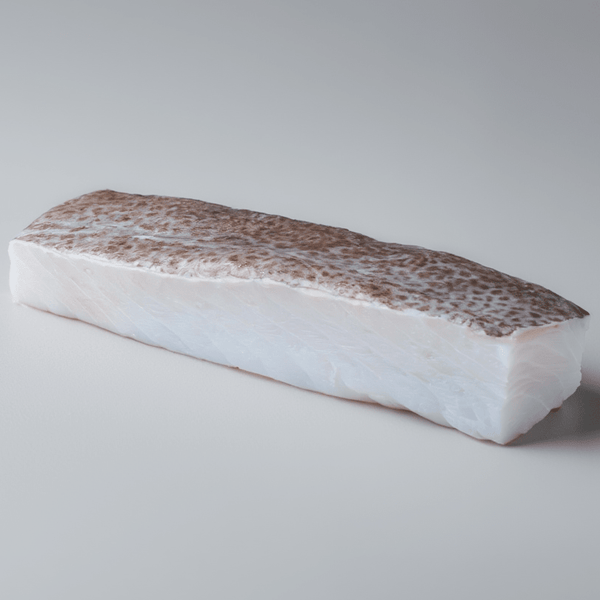
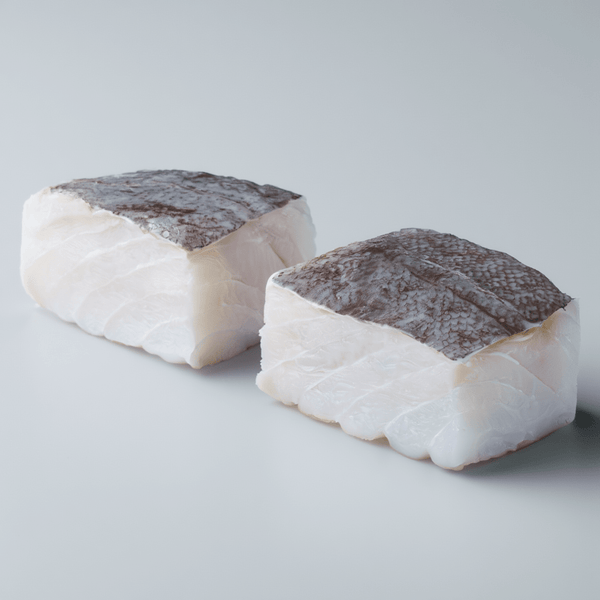
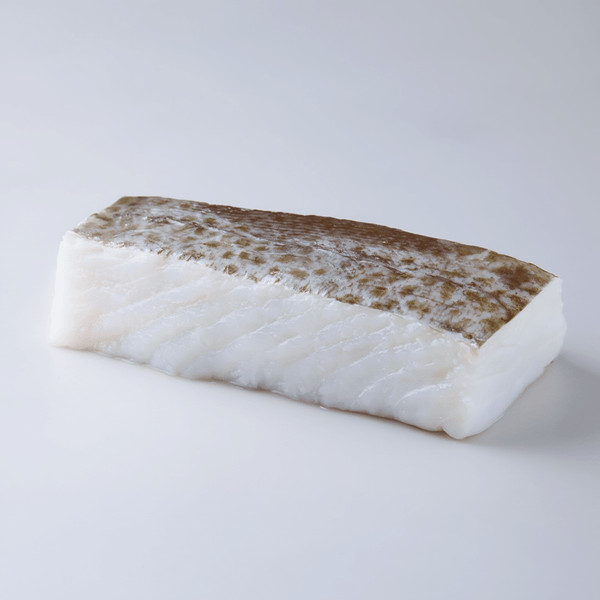
Desalted cod for marinating must have certain specific characteristics. The flesh should be firm, with a uniform pearly color and no yellowish areas. Fish fillets from Iceland or Norway offer the optimal consistency for prolonged marinades.
It is essential to check the previous desalting level. Overly salted cod will compromise the marinade's balance, while insufficiently desalted cod will result in unpleasant textures.
Cutting and preparation techniques
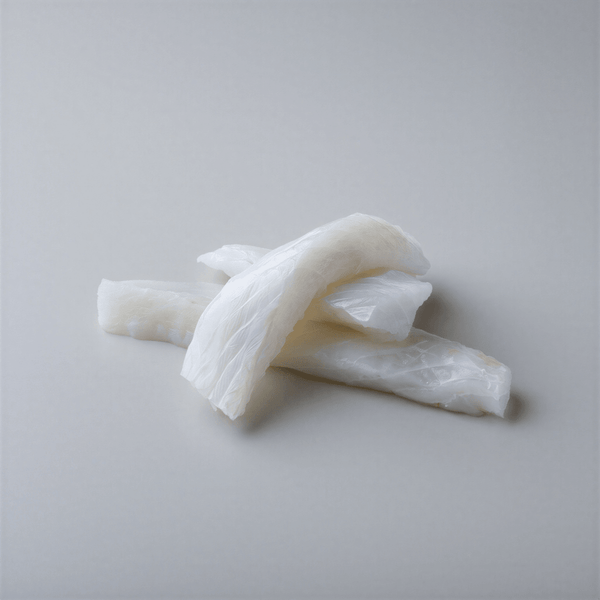
The cut directly influences the penetration of the marinade. Fillets approximately 1.5 centimeters thick allow for homogeneous absorption. Remove any residual bones and silvery membranes that might interfere with the final texture.
The fish's temperature during preparation also matters. Slightly chilled cod facilitates handling and prevents protein decomposition during the marinating process.
Marinating times according to preparation type
Cod marinating times vary considerably depending on the technique used and the desired result. Establishing precise timings makes the difference between culinary success and failure.
| Type of marinade | Minimum time | Maximum time | Notes |
|---|---|---|---|
| Basic marinade (oil and lemon) | 2 hours | 6 hours | Ideal for salads |
| Vinegar marinade | 30 minutes | 2 hours | Strict time control |
| Spice marinade | 4 hours | 12 hours | Allows for complex flavors |
| Marinade for stews | 1 hour | 4 hours | Will be completed with cooking |

Related Cod Products


Controlling salinity in marinating
The residual salinity of the cod interacts with the marinade ingredients, creating delicate balances. A preliminary organoleptic analysis determines whether you need to adjust the salt proportions in your mixture.
Consider these factors to control salinity:
- Previous desalting time of the fish
- Concentration of acids in the marinade
- Presence of sweet ingredients that counteract salt
- Ambient temperature during the process
How to avoid a "rubbery" texture
A rubbery texture results from excessive protein denaturation. Several factors contribute to this common problem in cod marinating.
The pH of the marinade plays a crucial role. Excessively acidic marinades (pH below 3.5) cause protein coagulation similar to cooking. Balance acids with quality oils and aromatic herbs.
Temperature also decisively influences. Keep the cod refrigerated throughout the process. Temperatures above 8°C accelerate unwanted chemical reactions that compromise texture.

Professional techniques for perfect textures
Professionals employ specific techniques to guarantee optimal textures. Layered marinating, alternating fish and aromatic mixture, ensures uniform distribution without oversaturation.
Have you ever wondered why some marinades turn out exceptional? The answer lies in respecting the timing and the quality of the base ingredients. Extra virgin olive oil and premium lemons make huge differences in the final result.
Patience is the most important secret ingredient. Resist the temptation to speed up the process. Authentic flavors require their natural development time.
Discover our selection of desalted cod at Bacalalo.
→ See our selection of desalted cod from Iceland
🛒 Products mentioned in this article
⭐ 4.9/5 · Cold shipping 24-48h · Since 1990 at Mercat del Ninot
Conclusions
- Why is pre-marinating cod crucial?: Marinating cod is a fundamental culinary technique that transforms this salted fish into a gastronomic delight.
- Preparing desalted cod for marinating: Desalted cod for marinating must have certain specific characteristics.
- Marinating times according to preparation type: Cod marinating times vary considerably depending on the technique used and the desired result.
- Controlling salinity in marinating: The residual salinity of the cod interacts with the marinade ingredients, creating delicate balances.
- How to avoid a "rubbery" texture: A rubbery texture results from excessive protein denaturation.
Frequently asked questions
What is the best way to marinate cod?
Summary: Why is pre-marinating cod crucial? Preparing desalted cod for marinating Choosing the ideal cod Cutting and preparation techniques Marinating times according to preparation type Controlling salinity in the marinade How to avoid a "rubbery" texture Professional techniques for perfect textures var coll = document.
How long should cod be soaked?
Desalted cod for marinating should have certain specific characteristics. The flesh should be firm, with a uniform pearly color and no yellowish areas. Fish fillets from Iceland or Norway offer the optimal consistency for long marinating periods.
What spice goes well with cod?
Summary: Why is pre-marinating cod crucial? Preparing desalted cod for marinating Choosing the ideal cod Cutting and preparation techniques Marinating times according to preparation type Controlling salinity in the marinade How to avoid a "rubbery" texture Professional techniques for perfect textures var coll = document.
How long should fish be marinated?
Desalted cod for marinating should have certain specific characteristics. The flesh should be firm, with a uniform pearly color and no yellowish areas. Fish fillets from Iceland or Norway offer the optimal consistency for long marinating periods.