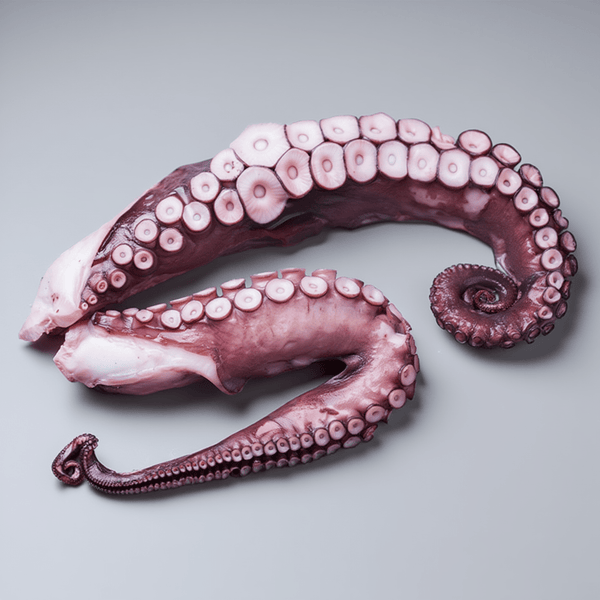
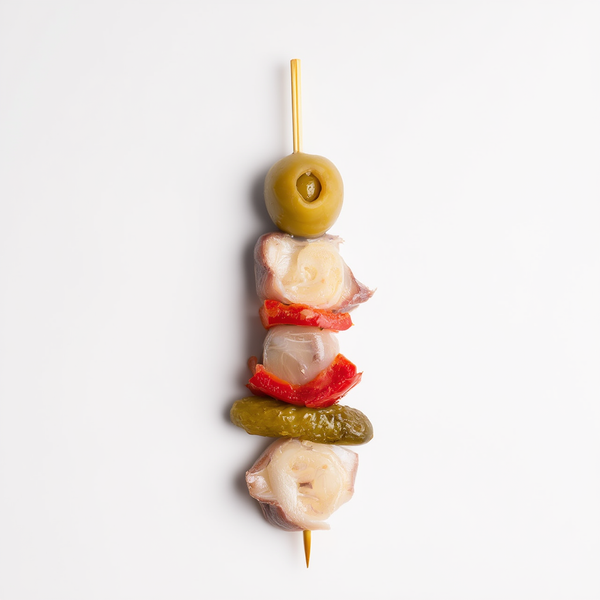
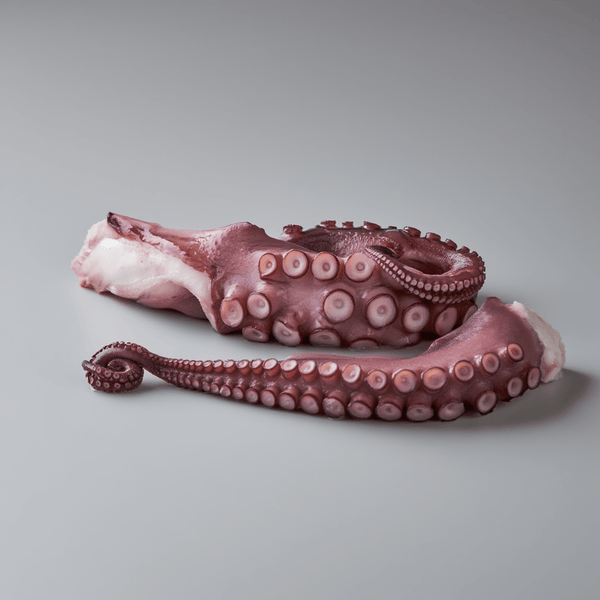
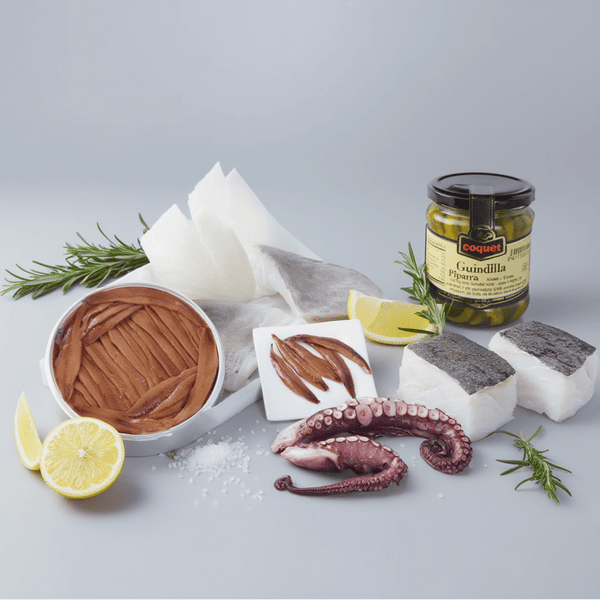
In short: Reheating cooked octopus without gumminess: NO full power microwave. Use 50% power for 1-2 min, or a bain-marie at 80°C (NO boiling), or pan-fry for 1 min per side, or sous vide at 60°C for 5 min. The key: gentle temperature, not excessive time. Galician-style recipe at the end.
Table of contents
Why cooked octopus turns rubbery when reheated
Octopus is muscle rich in collagen. When cooked properly (45-60 min in water), the collagen transforms into soft gelatin. But when REHEATING, if you raise the temperature too high or for too long, the muscle proteins contract and expel water from the tissue, leaving a tough, fibrous (rubbery) texture.
The microwave at full power is the main culprit: it applies extreme and uneven heat, "re-cooking" the octopus and hardening it.
Method 1: Correct microwave use (90 seconds)
Octopus cut into slices (1cm): cover with perforated plastic wrap, MICROWAVE AT 50% POWER for 90 seconds. Stir halfway through. Check final temperature: it should be warm to the touch but not steaming.
Whole octopus (1 leg): add 2 tablespoons of water or broth + cover with plastic wrap. 2-3 min at 50% power.
Mistake to avoid: NEVER 100% power. NEVER more than 2 minutes at 50% power.
Method 2: Bain-marie (5 minutes) — chefs' preferred method
Saucepan with hot, NOT boiling water (80°C). Cooked octopus IN ITS BAG (if vacuum-sealed) or wrapped in plastic wrap. Submerge for 5 minutes. The water transfers gentle and even heat without damaging the tissue.
Advantage: texture identical to freshly cooked. Used by good Galician bars.
Method 3: Quick pan-frying (3 minutes)
Hot griddle with a drizzle of EVOO. Cooked octopus cut into slices. 1 minute per side, lightly sear. Only for immediate serving (oven, griddle causes it to dry out if you wait).
Bonus: griddle marks provide visual texture and a toasted touch that improves presentation.
Frequently asked questions
Microwave or bain-marie: which is better?
Can I heat the octopus in its own juice from the package?
What if I thawed it but won't use it the same day?
For Galician-style: do I heat the octopus first or serve it cold on hot potato?
Is sous vide overkill for home use?
How to prevent octopus from falling apart when cutting?
To conclude
Properly reheating cooked octopus is an underestimated skill. Once you master it, you have a quality dish in 5 minutes from a bag of cooked octopus. For optimal results, you need quality cooked octopus: Galician-style cooked octopus is the base, the reheating method is the detail.