Summary: Canned tuna is not emergency food or a resource for students on a budget. A good conserve of tuna or albacore tuna in olive oil is a gourmet product with 25-30g of protein per can, omega-3s, and the versatility to become a salad, pasta, pie, toast, or rice dish in under 20 minutes. Here are 10 concrete ideas.
Table of contents
Why canned tuna is not "sad food"
Let's start by debunking a baseless prejudice. Canned tuna has a reputation as survival food, a last resort when you don't want to cook, an ingredient you add to a sad salad to feel like you've eaten protein. That's a perception problem, not a product problem.
The facts: a standard can of tuna in olive oil (112 g drained) provides approximately 25-30 g of protein, 10-15 g of fat (mostly unsaturated from olive oil), and about 200 kcal. It's one of the foods with the best protein/cost ratio available. A medium-quality can costs 2-3 euros; a gourmet can of albacore tuna, 5-8 euros. In both cases, the cost per gram of protein is lower than that of chicken.
But there are cans and cans. Canned tuna's reputational problem comes from cheap cans of light tuna (Thunnus albacares, yellowfin) in sunflower oil, which indeed lack flavor and have a dry texture. That is not representative of the industry.
At the other end, you have albacore tuna (Thunnus alalunga) in extra virgin olive oil, canned by artisanal canneries in the Cantabrian Sea. This product has a juicy texture, a complex flavor (umami + fat + sea salt), and a quality that rivals any fresh fish. In Italy, tonno sott'olio is a restaurant ingredient, not sad packed lunch fare.
The key lies in a decision: do you buy tuna as cheap fuel or as an ingredient to actually cook with? The 10 recipes that follow assume the latter.
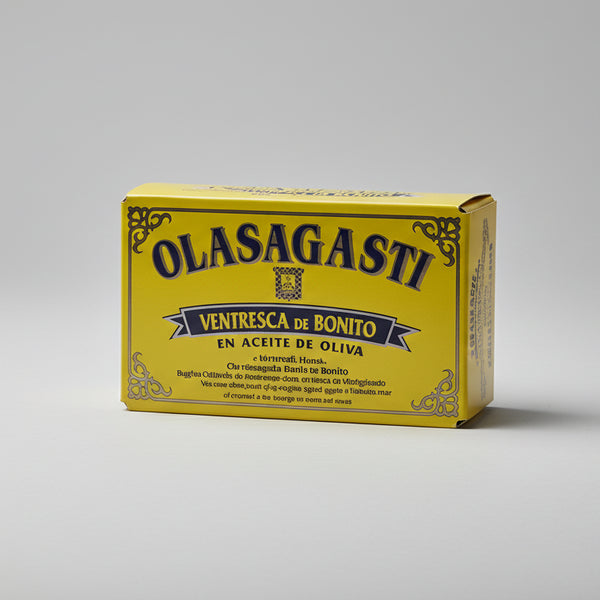
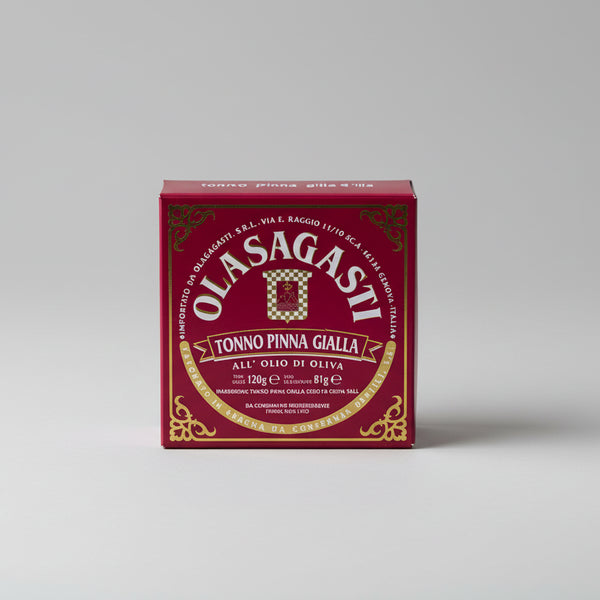
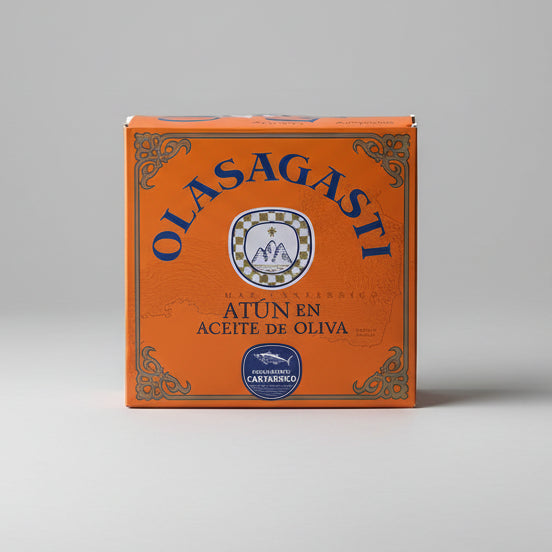
We work with canned tuna and albacore tuna from artisanal producers in the Cantabrian Sea. Albacore in olive oil, belly tuna, pickled tuna. Real product, not industrial. See Olasagasti preserves.
Salads that actually fill you up
Most people's tuna salad: iceberg lettuce, canned corn, drained tuna, salt. That's not a salad, it's a punishment. Here are three versions that are complete meals.
1. Salade Niçoise (the real deal): The original Niçoise from Nice doesn't include lettuce. It features ripe tomatoes sliced, green beans cooked al dente, hard-boiled eggs, black olives from Nice (or Kalamata), anchovies, spring onion, and large chunks of tuna in olive oil (not flaked). The dressing is an olive oil vinaigrette, red wine vinegar, garlic, and Dijon mustard. You can add boiled potatoes, capers, and green pepper. It's a hearty dish that works well as a summer dinner.
2. Tuna salad with cannellini beans: The Tuscan version. Drain a can of cooked cannellini beans, mix with tuna in oil (use the oil from the can as part of the dressing), finely julienned red onion, chopped parsley, lemon juice, and black pepper. It's protein + carbohydrate + fat in one bowl. Satisfying, nutritious, ready in 5 minutes. The secret: use good quality jarred beans (glass, not the cheapest) and let it rest for 15 minutes for the flavors to meld.
3. Tuna, avocado, and mango salad: This combination sounds strange but works. Diced avocado, diced ripe mango, drained and flaked tuna, red onion, fresh cilantro, and a lime dressing with a hint of soy sauce. It's sweet, salty, sour, and umami all at once. If you want to elevate it, add some diced cucumber and toasted sesame seeds.
Toasts and montaditos
Tuna toasts are the most underrated appetizer or quick dinner. Four versions ranging from simple to elaborate:
4. Tuna toast with tomato and olives: Toasted rustic bread, rubbed with ripe tomato (like "pa amb tomàquet"). Topped with drained tuna in oil, sliced black olives, and a drizzle of extra virgin olive oil. It's the seafood version of Catalan tomato bread. 3 minutes.
5. Tuna montadito with piquillo pepper: Toasted baguette, a base of piquillo pepper (from the jar, drained), tuna on top, a touch of homemade mayonnaise (or aioli), and a sprig of parsley. This is a classic pintxo from northern Spain that disappears quickly at any gathering.
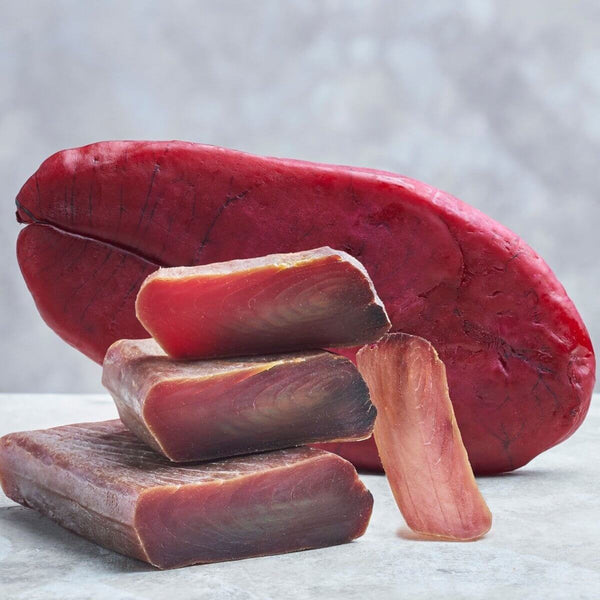
6. Ventresca toast with caramelized onion: Here we use albacore tuna belly (ventresca), which is the fatty, most succulent ventral part. On toasted crystal bread, a bed of caramelized onion (onion slowly sautéed with a little sugar and balsamic vinegar for 30 minutes), a generous piece of ventresca, and a few flakes of salt. This is a gourmet dish disguised as a toast.
The difference between a mediocre toast and an exceptional one is not the technique — it's the quality of the conserve. With albacore tuna belly in extra virgin olive oil, even the simplest toast tastes like a restaurant dish.
Galician tuna empanada
7. Galician empanada: If there's one dish that proves canned tuna can be an absolute star, it's the Galician empanada. It's probably the noblest preparation of canned tuna in all of Spanish gastronomy.
The dough: 500 g wheat flour, 100 ml olive oil, 100 ml warm water, a teaspoon of salt, one egg. Mix until you get a smooth, elastic dough. Let rest for 30 minutes wrapped in cling film.
The filling: Sauté 2 finely chopped large onions in olive oil until soft and lightly golden (20 minutes over medium-low heat). Add 2 diced red peppers, 2 grated tomatoes, and cook for 10 more minutes. Incorporate 3 cans of drained, flaked tuna in oil, salt, sweet paprika, and a touch of hot paprika. Let cool.
Assembly: Divide the dough in two. Roll out the first half on baking paper, place the filling leaving a 2 cm border, cover with the second half, seal the edges with a fork. Brush with beaten egg and make a few holes for steam to escape. Bake at 200 °C for 25-30 minutes until golden.
Note: the empanada is the exception to the "don't turn on the oven" rule — but once baked, it can be eaten cold or at room temperature, perfect for taking to the beach, countryside, or any gathering. It lasts 2-3 days in the fridge and tastes even better the next day.
Tuna pasta: beyond basic spaghetti
8. Pasta alla puttanesca with tuna: The original puttanesca doesn't include tuna, but it should. In a large pan, heat olive oil with 2 sliced garlic cloves, 4-5 anchovies in oil (which dissolve in the hot oil), pitted black olives, capers, and a good handful of halved cherry tomatoes. Cook for 5 minutes, add al dente cooked pasta (spaghetti or penne), incorporate a can of flaked tuna in oil and mix off the heat. A touch of parsley and chili pepper. 15 minutes on the clock.
9. Pasta with tuna and lemon (pasta al tonno e limone): The minimalist Italian version. Cook spaghetti, drain, reserving a glass of cooking water. In the pan, heat olive oil with a garlic clove, add flaked tuna in oil, the zest and juice of one lemon, the reserved cooking water, and the pasta. Sauté over high heat for 1 minute to emulsify. Parsley and black pepper. It's so simple it seems impossible that it's good, but the lemon transforms the tuna into something fresh and elegant.
The rule with pasta and tuna: never completely drain the tuna. The oil from the conserve is flavor. It's your sauce base. Draining and discarding that oil is wasting half the product.
Rice dishes with canned tuna
10. Rice with tuna and vegetables: We're not talking about paella — this is a quick, brothy or creamy rice dish made in 25 minutes with pantry ingredients. Sauté onion and pepper in olive oil. Add 2 grated tomatoes, cook for 5 minutes. Incorporate 300g of Bomba rice, sauté for 1 minute, add 750ml of fish stock (or water with a bouillon cube). Cook for 15-18 minutes. In the last 3 minutes, add 2 cans of flaked tuna in oil and some cooked green beans. Let rest for 5 minutes covered.
This rice does not aim to be a paella or to compete with an "arroz a banda." It aims to be what it is: a tasty, nutritious weeknight dinner that comes from the pantry without needing to buy anything extra. And it fulfills that perfectly.
Another option: cold rice with tuna for summer. Cook long-grain rice (basmati or jasmine), cool it under water, mix with tuna, corn, cherry tomatoes, cucumber, olives, spring onion, and a lemon vinaigrette. It's the classic rice salad you take in a packed lunch to the beach, but with worthwhile ingredients.
Table of quick ideas
| Recipe | Time | Cans needed | Difficulty | Ideal for |
|---|---|---|---|---|
| Salade Niçoise | 15 min | 1 tuna | Easy | Summer dinner |
| Bean + tuna salad | 5 min | 1 tuna | Very easy | Packed lunch / office |
| Tuna, avocado & mango salad | 10 min | 1 tuna | Easy | Light dinner |
| Toast with tomato and olives | 3 min | 1 tuna | Very easy | Appetizer |
| Montadito with piquillo pepper | 5 min | 1 tuna | Very easy | Pintxo / gathering |
| Ventresca toast | 35 min (onion) | 1 ventresca | Medium | Special dinner |
| Galician empanada | 90 min | 3 tuna | Medium | Beach / picnic / event |
| Tuna puttanesca pasta | 15 min | 1 tuna | Easy | Quick dinner |
| Pasta al tonno e limone | 12 min | 1 tuna | Very easy | Weeknight dinner |
| Rice with tuna and vegetables | 25 min | 2 tuna | Easy | Complete meal |
How to choose a good can of tuna
Not all cans of tuna are created equal. The difference between a 0.80 euro can and a 6 euro can is real, verifiable, and enormous. Here's what to look for:
- Species: This is the most important factor. There are three levels:
- Albacore tuna (Thunnus alalunga): The premium choice. White meat, firm and juicy texture, delicate flavor. This is what you'll find in the best canneries in the Cantabrian Sea. If the can says "bonito del norte" (albacore tuna), it's this species and only this one.
- Yellowfin tuna (Thunnus albacares): The standard. Pinkish meat, drier texture, more neutral flavor. It dominates the market by volume. It's not bad, but it's not albacore tuna.
- Skipjack tuna (Katsuwonus pelamis): The economical option. This is what comes in the cheapest cans. Dry texture, generic flavor. Technically, it's not even tuna; it's a close relative.
Oil: Extra virgin olive oil > olive oil > sunflower oil > "in its own juice" (for diets, but sacrifices flavor and texture). The oil is not merely a preservative — it permeates the fish and becomes part of the product. Good oil = good conserve.
Format: Whole loins (recognizable fillets) are superior to chunks or flaked. You can flake it yourself if you want, but you can't reconstruct a loin from flakes. Look for "lomos" or "filetes" (loins or fillets) on the label.
Origin and cannery: Canneries in the Spanish Cantabrian region (Basque Country, Cantabria, Asturias, Galicia) have centuries of tradition and very high standards. Brands like Olasagasti, Ortiz, Los Peperetes, Güenaga, or Conservas de Cambados are a guarantee. If the can says "elaborated in" any of these territories, you're on the right track.
Ventresca (belly): Ventresca is the fatty, ventral part of the tuna or bonito. It is significantly more expensive but is a different product. If you've never tried albacore ventresca in olive oil, do it once — you'll immediately understand why a premium canned goods market exists.
In our store you will find Olasagasti preserves: albacore tuna, ventresca, Cantabrian anchovies. Artisanal production in Getaria since 1927. We also have a complete selection of canned tuna and bonito from different producers in the north.
Discover our premium selection
Carefully selected seafood products since 1990 at Mercat del Ninot, Barcelona. Refrigerated shipping in 24-48h.
Conclusion
Canned tuna is the most underestimated ingredient in Spanish cuisine. With a good can of albacore tuna and 10 minutes, you have a dinner that, in terms of flavor and nutrition, surpasses 80% of what you can order through Glovo. The 10 recipes in this guide demonstrate that the range goes from the quickest (toast, 3 minutes) to the most elaborate (empanada, 90 minutes), but all share the same thing: good product, simple preparation.
The investment to switch from cheap cans of light tuna in sunflower oil to albacore tuna in olive oil is an extra 3-4 euros per can. But that difference completely transforms what comes out of the plate. In food, as in almost everything, you get what you pay for.
Always keep 4-5 good cans in your pantry. They are your culinary life insurance: they don't expire for years, don't need refrigeration, and in 15 minutes you have real food.
Frequently asked questions
How many cans of tuna can I eat per week?
AESAN recommends limiting the consumption of large tuna (red, Thunnus thynnus) due to its mercury content. For canned light tuna and albacore tuna, 2-3 cans per week is a safe consumption for adults. Pregnant women, nursing mothers, and children under 10 years old should limit themselves to 1-2 cans per week of small species and avoid bluefin tuna.
What is the difference between tuna and albacore tuna?
Albacore tuna (Thunnus alalunga) is a different species from yellowfin tuna (Thunnus albacares). It has whiter meat, a firmer and juicier texture, and a more delicate flavor. It is smaller (4-10 kg vs. 20-200 kg for bluefin tuna) and is caught in the Cantabrian Sea between June and October. It is the premium species for Spanish canneries.
Can the oil from the can be used?
Not only can it be used, it should be. If the conserve comes in extra virgin olive oil, that oil has been impregnated with the fish's flavor for months. It makes an excellent dressing for salads, toasts, or pasta. Throwing it away is wasting an ingredient. The only exception: if the conserve comes in low-quality sunflower oil, the oil doesn't add anything.
How long does a sealed can of tuna last?
Legally, the "best before" date is usually 4-5 years from manufacturing. In practice, an intact can (without dents, rust, or bulging) can be in perfect condition well beyond that date. In fact, many experts believe that canned albacore tuna improves with age, like wine — the oil penetrates further into the muscle and the flavors integrate.
Is "natural" tuna or tuna in oil better?
It depends on the objective. "Natural" (in its own juice) has fewer calories and is preferable for low-calorie diets. In olive oil, it has more flavor, better texture, and provides healthy monounsaturated fats. Nutritionally, the olive oil version is superior if you are not strictly counting calories. For cooking, always use tuna in oil — the natural version turns out dry.
Why is albacore tuna so expensive?
Three verifiable reasons: 1) It's caught one by one with a hook during a seasonal campaign (June-October), not with industrial nets. 2) It's hand-selected and packed in canneries. 3) The species Thunnus alalunga is smaller and less abundant than skipjack tuna. The entire artisanal process — from catch to sealing the can — requires more labor, more time, and more care. The price reflects that.
Can I freeze canned tuna once opened?
Technically yes, but it's not recommended. Freezing alters the texture of canned tuna, making it drier and more granular. It's better to transfer any leftovers to a glass container with a lid, ensure it's covered in oil, and consume it within 2-3 days in the refrigerator. If you open a can, it's best to use it all.