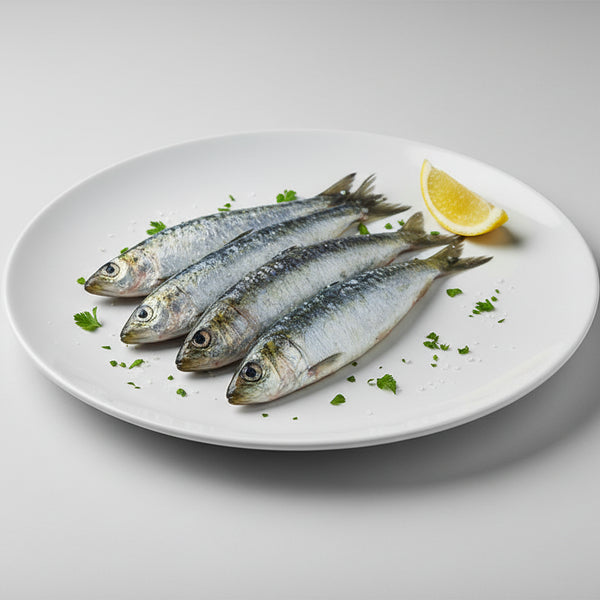
Smoked sardines are a product that combines the best of two worlds: the intense flavor of sardines with the depth of artisanal smoking. Less known than smoked salmon but with a unique personality that makes them stand out. In this guide, we analyze the process, flavor, prices, and how to distinguish an artisanal product from an industrial one.
Contents
- What are smoked sardines?
- The smoking process
- Difference from canned sardines
- Flavor and texture: what to expect
- How to serve smoked sardines
- Pairings and accompaniments
- Nutritional value
- Prices and where to buy
- Frequently asked questions
- Conclusions
What are smoked sardines?
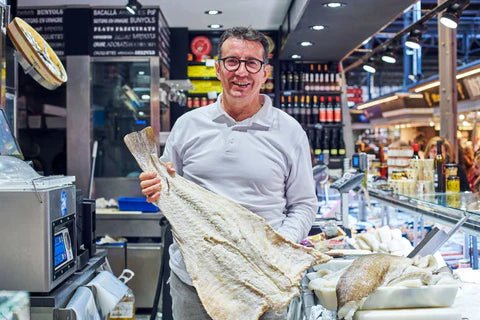
Updated March 2026. Every day at Mercat del Ninot we see what works and what doesn't. This is our real experience.
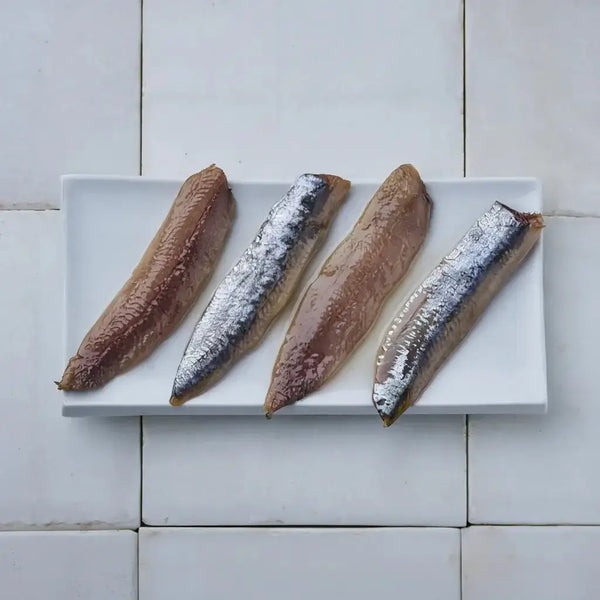
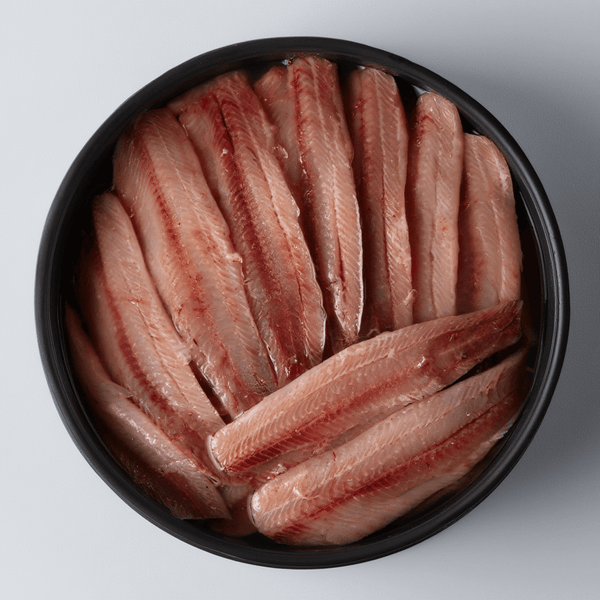
Smoked sardines are sardines that have been salt-cured and subjected to a smoking process with noble woods (usually beech, oak, or cherry). The result is a product with a deep, smoky, and salty flavor that retains the intense personality of the sardine but adds layers of complexity.
It is a product with a long tradition in Northern Europe (especially in the Baltic countries, Scandinavia, and Germany) but relatively new to the Spanish market, where sardines have historically been consumed fresh, grilled, or canned in olive oil.
Sardines are an ideal fish for smoking for two reasons: their fat content (8-12% depending on the season) absorbs and retains the smoke flavor exceptionally well, and their small size allows the smoke to penetrate to the center of the piece without requiring long times.
The smoking process
Artisanal vs. industrial smoking
Here's the difference that defines the product:
| Aspect | Artisanal smoking | Industrial smoking |
|---|---|---|
| Wood | Real beech, oak, or cherry wood chips | Liquid or condensed smoke |
| Time | 2-6 hours | 30-60 minutes |
| Temperature | 60-80 °C (gradual) | Variable, less controlled |
| Flavor | Deep, with nuances depending on the wood | Flat, one-dimensional smoke flavor |
| Texture | Firm but juicy | Often dry or pasty |
| Price | 15-30 €/kg | 5-10 €/kg |
Artisanal smoking follows these steps:
- Selection: Large sardines (over 15 cm), fresh, with high fat content (summer-autumn season ones are best).
- Evisceration: Viscera are removed but the head is kept (which adds flavor during the process).
- Salting: Brine bath for 1-3 hours. Salt extracts moisture and begins to transform proteins.
- Drying: They are hung or arranged on racks to lose surface moisture. This step is key: if they enter the smokehouse wet, the result is bitter.
- Hot smoking: They are placed in the smokehouse at 60-80 °C for 2-6 hours. The wood chips burn slowly, releasing phenolic compounds that add flavor and act as a natural preservative.
- Cooling and packaging: They are slowly cooled and vacuum-packed or packed in oil.
Difference from canned sardines
These are completely different products that share a base ingredient:
| Aspect | Smoked sardines | Canned sardines |
|---|---|---|
| Process | Wood smoking | Autoclave sterilization |
| Main flavor | Smoky + salty | Sardine + oil |
| Texture | Firm, with defined fiber | Tender, almost melts |
| Preservation | Refrigerated, 2-4 weeks vacuum-sealed | Years (room temperature) |
| Bones | Present (firmer) | Edible (soft due to sterilization) |
| Versatility | Appetizer, salads, toasts | More versatile (stews, pasta, direct) |
They are not substitute products: they are complementary. Canned sardines are a pantry staple; smoked sardines are a gourmet product for occasions where you want something different.
Flavor and texture: what to expect
If you know smoked salmon, smoked sardines will surprise you with their difference:
- Flavor: More intense and more "marine" than smoked salmon. Sardines have a unique character that smoking amplifies rather than masks. Smoky wood notes, a salty background, and a slightly metallic aftertaste (not unpleasant, it's part of the sardine's character).
- Texture: Firmer than smoked salmon. Smoked sardines have a defined fiber structure that separates into flakes. They are not buttery like salmon nor pasty like canned sardines.
- Fat: Smoked sardines have a more fatty flavor than salmon but less oily sensation in the mouth. The fat in sardines is distributed differently, and smoking stabilizes it.
First impression: If it's your first time with smoked sardines, be prepared for a more powerful flavor than you expect. It's not a mild or subtle product. It's direct, intense, and full of personality. This is a virtue, not a defect.
Premium Canned Sardines — The best brands
If you like sardines, discover our selection of the best canned sardines. Packed in extra virgin olive oil, from the best Galician and Portuguese canneries.
How to serve smoked sardines
Direct (the best way)
Quality smoked sardines are best enjoyed with minimal intervention: on a slice of sourdough bread with a drizzle of olive oil and a few drops of lemon. Nothing more.
In salad
Crumble smoked sardines over bitter green leaves (arugula, endive, radicchio). Dress with an old-fashioned mustard vinaigrette. The bitter flavors of the leaves balance the intensity of the sardine.
With potato
Potato is the classic accompaniment for smoked foods in Nordic countries. Boiled potato cut into slices, smoked sardine on top, a touch of crème fraîche or Greek yogurt, and chopped chives.
As a pâté or rillette
Flake the smoked sardines with a fork. Mix with cream cheese, lemon juice, chopped chives, and pepper. The result is a spreadable pâté for toast that has much more character than a conventional sardine pâté.
On a smoked platter
Combine them with smoked salmon, smoked trout, capers, red onion, lemon, rye bread, and cream cheese. A platter of assorted smoked foods is a spectacular appetizer to share.
Pairings and accompaniments
- Beer: A cold lager or wheat beer is the most natural pairing. Smoked sardines with beer is a classic from Northern Europe that works impeccably.
- Dry white wine: Albariño, Muscadet, dry Riesling. The acidity of the wine cuts through the fat of the sardine.
- Natural cider: The acidity and natural bubbles of cider are an excellent complement to smoked sardines.
- Avoid: Red wines (the fat of the sardine and tannins clash) and powerful spirits (they mask the flavor).
Recommended accompaniments
- Rye bread or pumpernickel (the classic base)
- Pickles (to cut the intensity)
- Thinly sliced red onion julienne
- Crème fraîche or Greek yogurt (softens)
- Horseradish (enhances the contrast)
- Lemon (essential)
Nutritional value
| Nutrient | Per 100 g |
|---|---|
| Calories | 210 kcal |
| Protein | 24 g |
| Total fats | 12 g |
| Omega-3 (EPA+DHA) | 2.0 g |
| Vitamin D | 11 µg (220% NRV) |
| Vitamin B12 | 12 µg (480% NRV) |
| Calcium | 380 mg (48% NRV) |
| Sodium | 1.5 g |
Smoked sardines are an exceptional source of omega-3, vitamin D, and calcium (if eaten with bones, which are crunchy and edible when smoked). The sodium content is high due to the salting process, but it is comparable to that of smoked salmon.
Compared to smoked salmon, smoked sardines provide more calcium (due to the bones), more vitamin D, and a similar concentration of omega-3, at a significantly lower price.
Prices and where to buy
| Format | Estimated price (2026) | Where to find |
|---|---|---|
| Artisanal smoked sardines (per piece) | 15-30 €/kg | Delicatessen shops, smokehouses |
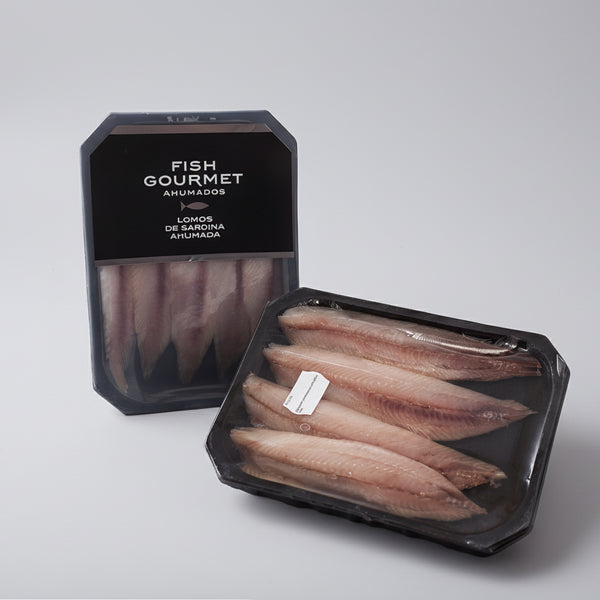
| Vacuum-packed smoked sardines | 12-25 €/kg | Online gourmet stores, premium supermarkets |
| Canned smoked sardines (tin) | 8-15 €/kg equiv. | Supermarkets, specialized stores |
| Industrial smoked sardines | 5-10 €/kg | Supermarkets |
The best producers of smoked sardines in Europe are in Germany (Kieler Sprotten), Portugal, and the Baltic countries. In Spain, some artisanal smokehouses in the north (Basque Country, Cantabria, Galicia) produce excellent quality smoked sardines.
How to identify quality: Read the ingredients. An artisanal smoked sardine contains: sardine and salt. Nothing else. If the list includes "smoke flavoring," "liquid smoke," preservatives, or colorings, it is an industrial product that has been flavored, not truly smoked.
Artisanal Smoked Products — Salmon, trout, and more
Discover our selection of fish smoked with noble woods. Real smoking, without liquid smoke or additives. The flavor that makes all the difference.
🛒 Related Bacalalo products
⭐ 4.9/5 · Cold delivery 24-48h · Since 1990 at Mercat del Ninot
Frequently asked questions
Are smoked sardines eaten cold or hot?
They are eaten cold or at room temperature. Hot smoking has already cooked them, so they are ready to eat directly. If you heat them, do so briefly (2 minutes in an oven at 150 °C): excessive heat will dry them out and they will lose their characteristic texture.
Are the bones of smoked sardines edible?
Yes, the bones of smoked sardines are firmer than those of canned sardines, but they are perfectly edible and an excellent source of calcium. The central bones of large sardines can be somewhat bothersome; those of small or medium sardines are eaten without problems.
How long do smoked sardines last?
Vacuum-packed and refrigerated: 2-4 weeks unopened. Once opened: 2-3 days in the refrigerator, well covered. Unopened in a tin: use-by date indicated (generally 2-4 years). Do not freeze smoked sardines: the texture suffers greatly.
Are smoked sardines safe during pregnancy?
Hot-smoked sardines (the most common form) are cooked at over 60 °C, which eliminates most pathogens. However, they are a high-sodium food. Consult your doctor, especially if you have blood pressure issues.
What is the difference between smoked sardines and kipper?
Kipper is a herring opened butterfly-style and cold-smoked. Smoked sardine is a different species (Sardina pilchardus) usually hot-smoked and whole. Both are smoked oily fish but with distinct flavors and textures: kipper is saltier and firmer; sardine is fattier and more intense.
Do smoked sardines make you gain weight?
With 210 kcal per 100 g, smoked sardines are not a light food but not particularly caloric either. Their high content of protein (24 g/100 g) and healthy fats (omega-3) makes them a satiating food. The "problem" is not the sardine itself but the amount of bread and accompaniments they are usually served with.
Smoked sardines are a product that deserves to come out of anonymity in Spain. They combine the powerful flavor of sardines with the depth of artisanal smoking at a much more accessible price than smoked salmon. The key is to choose a real product (smoked with wood, not liquid smoke) and serve them simply to let their character shine.
If you like smoked foods and sardines, this is your product. And if you've never tried them, start with good vacuum-packed smoked sardines on toast with oil and lemon. It's eye-opening.
Related articles:
Written by Marc González Sáez, seafood expert since 1990, Mercat del Ninot, Barcelona.