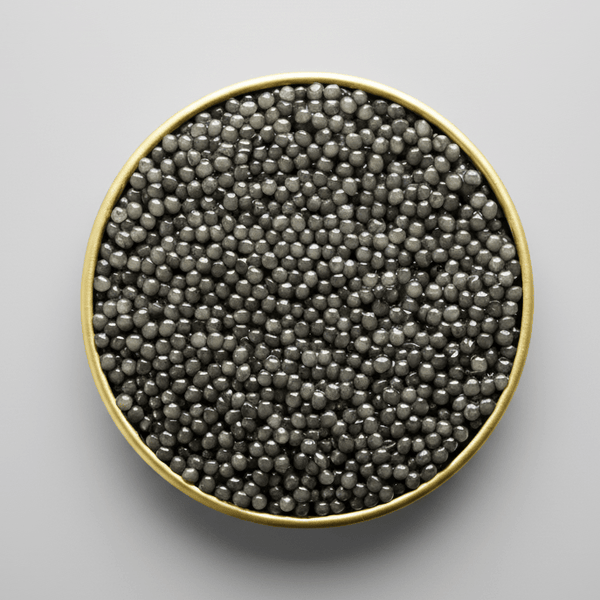


Summary: The question of caviar during pregnancy has a nuanced answer that most sources oversimplify. The risk is not the same for all types of caviar: the difference between fresh unpasteurized caviar and pasteurized caviar is relevant from a food safety perspective. This guide analyzes the real risks, verified medical recommendations, and alternatives that provide similar nutrients without any controversy.
Table of Contents
- Why caviar raises concerns during pregnancy
- The real risks: listeria, mercury, and salt
- Pasteurized vs. fresh caviar: key difference
- What food safety agencies say
- Caviar nutrients beneficial in pregnancy
- When to avoid caviar during pregnancy
- Safe alternatives with equivalent nutrients
- Other fish roe during pregnancy
- Making an informed decision
- Frequently asked questions about caviar and pregnancy
Why caviar raises concerns during pregnancy
Updated March 2026. After decades working with seafood, we have learned that quality makes all the difference.
Pregnancy entails dietary restrictions that are, for the most part, reasonable precautions against verifiable risks. Caviar raises concerns because it falls into the category of "raw seafood," along with oysters, smoked salmon, sushi, and other products that share similar risk vectors: potential contamination by Listeria monocytogenes and, to a lesser extent, heavy metal accumulation.
However, caviar is not a raw food in the sense of "without any form of processing." The salt-curing process that defines caviar—malossol—significantly reduces bacterial load, and pasteurized caviar virtually eliminates all pathogens associated with pregnancy risks. The distinction between fresh (unpasteurized) caviar and pasteurized caviar is the most important variable in correctly answering this question.
This guide does not replace medical advice. Every pregnancy is different, and individual health conditions—immunity, medical history, specific complications—determine the appropriate level of caution. The recommendation is to consult with your obstetrician or pregnancy care doctor before making any decisions about foods in the restricted zone.
The real risks: listeria, mercury, and salt
Listeria monocytogenes
Listeria monocytogenes is the bacterium that justifies the most extensive dietary restrictions during pregnancy. The immune system during gestation is modulated to tolerate the fetus—an organism with partially foreign genetic material—which makes it more vulnerable to certain pathogens that the non-pregnant immune system would control without serious consequences.
Listeriosis during pregnancy can cause miscarriage, premature birth, or severe infection of the newborn in cases of vertical transmission. The risk is real, although statistically low in the general population—in Spain, between 100 and 200 cases of listeriosis are recorded annually in total—but the potential impact in case of infection during pregnancy justifies the precautions.
Fresh unpasteurized caviar carries a potential risk of Listeria contamination similar to that of cold-smoked salmon or soft raw-milk cheese—two products that medical pregnancy guidelines recommend avoiding or consuming with caution. This risk is real but not certain: not all fresh caviar is contaminated; most is not. But the probability is not zero, and the potential consequences are serious.
Mercury and heavy metals
Sturgeon is a large fish with a long life cycle—between 8 and 25 years depending on the species—which theoretically could lead to accumulation in the food chain. However, available studies on mercury concentration in farmed sturgeon caviar show levels well below the thresholds of concern for pregnancy, comparable to those of farmed salmon and much lower than those of bluefin tuna, swordfish, or dogfish, which are the species where mercury is a real and verified concern in pregnancy.
Farmed sturgeon caviar, consumed in typical tasting quantities (10-30g), does not pose a mercury risk comparable to that of consuming tuna or swordfish. This specific risk is lower than what the general perception of "large fish" might suggest.
Salt content
Caviar has a high salt content—between 3% and 6% of its weight, depending on the type and curing process. For a pregnant woman without hypertension or kidney problems, and in tasting quantities (20-30g), the sodium intake is marginal within the total diet and does not represent a specific risk. In pregnant women with gestational hypertension or sodium restrictions prescribed by their doctor, caviar should be avoided or consumed in very small quantities.
Pasteurized vs. fresh caviar: key difference
This is the most important distinction in this guide and the one most frequently omitted in general advice on "caviar during pregnancy."
Pasteurized caviar has undergone a controlled heat process—between 65 and 85 degrees for a specific time—that eliminates Listeria monocytogenes and other bacterial pathogens. The process slightly alters the texture of the roe (they tend to be less firm) and can subtly change the aromatic profile, but from a food safety perspective, pasteurized caviar is comparable to a cooked product. The risk of listeriosis with pasteurized caviar is practically null if the product has been stored correctly.
Fresh unpasteurized caviar—the caviar of highest organoleptic quality, preferred by experts for its superior flavor and texture—maintains a residual risk of bacterial contamination that, although low, is not zero. This is the caviar that the most conservative pregnancy guidelines recommend avoiding during gestation.
The difference is indicated on the labeling: pasteurized products must declare it. Premium quality caviar—including top-grade Iranian caviar—is generally not pasteurized because the process affects the organoleptic profile. Mid-range caviar and products for mass distribution are usually pasteurized.
What food safety agencies say
The dietary guidelines for pregnancy from major European and Spanish health organizations classify cured fish and seafood products in general as "consume with caution" or "prefer the pasteurized version." The AESAN (Spanish Agency for Food Safety and Nutrition) recommends that pregnant women avoid consuming uncooked or undercooked fish products, with the specific nuance that pasteurization eliminates the risk of Listeria.
The NHS (UK) and CDC (US) guidelines are more specific: they mention cold-smoked salmon and uncooked seafood as products to avoid, and fresh caviar falls within that general category. Pasteurized caviar is not explicitly mentioned as a risk in any of the main guidelines.
The practical interpretation of these guidelines, in the absence of a completely unified scientific consensus, is:
- Pasteurized caviar: low risk, moderate consumption acceptable for most uncomplicated pregnancies
- Fresh unpasteurized caviar: real residual risk of Listeria; individual decision in consultation with the pregnancy care doctor
Caviar nutrients beneficial in pregnancy
Caviar has a nutritional profile that, in other circumstances, would be of specific interest during pregnancy:
Omega-3 (DHA and EPA): Sturgeon caviar has a high concentration of omega-3 fatty acids, especially DHA (docosahexaenoic acid), which is critical for fetal brain and visual development. DHA is one of the nutrients whose supplementation is specifically recommended during pregnancy when the diet does not provide sufficient amounts.
Vitamin D: Caviar has one of the highest concentrations of vitamin D among all marine foods, superior to salmon and comparable to cod liver oil. Vitamin D is essential for fetal bone development, and its deficiency is common in Southern European populations during pregnancy.
Vitamin B12: Essential for fetal nervous system development and red blood cell formation. Caviar has high levels of B12.
Iron and zinc: Essential minerals during pregnancy, present in significant amounts in sturgeon caviar.
The paradox is that caviar contains exactly the nutrients that would be most useful during pregnancy—omega-3, D, B12, iron—but it presents the risk of Listeria, which complicates its consumption during that stage. The alternatives in the following section aim to capture these benefits without the associated risk.
When to avoid caviar during pregnancy
There are situations where the recommendation is clear: avoid any type of caviar, including pasteurized:
- Pregnancies with medicated immunosuppression or other conditions that compromise the immune system
- History of listeriosis or foodborne infections during previous pregnancies
- Sodium restrictions due to gestational hypertension or preeclampsia
- First trimester, when the risk of complications from foodborne infections is highest—some doctors recommend greater caution during this period specifically
In all these cases, the correct nutritional alternative is specific supplementation with DHA and vitamin D from a pharmaceutical source—supplements formulated for pregnancy—which provide the same nutrients without any risk of contamination.
Safe alternatives with equivalent nutrients
For those who want the nutritional benefits of caviar during pregnancy without food safety concerns, these are the alternatives with the best substitution profile:
Baked or grilled farmed salmon: a 150g serving of cooked salmon provides a comparable amount of DHA to 30g of caviar, with zero risk of Listeria. Farmed salmon has low mercury levels and a complete nutritional profile for pregnancy.
Canned sardines or anchovies (in oil, good quality): an excellent source of omega-3, calcium, vitamin D, and B12, completely safe due to the canning process. High-quality Cantabrian anchovies are a nutritious substitute with no food safety controversy.
Pasteurized salmon roe: Tanit Keta Premium Salmon Roe—if pasteurized, check the label—offers an alternative with a gastronomic experience similar to roe without the specific risks of fresh sturgeon caviar.
Omega-3 DHA supplements formulated for pregnancy: the most direct solution to ensure DHA intake without any safety variables. Specific pregnancy supplements have clinically validated concentrations and formats.
Other fish roe during pregnancy
Fish roe in general raises the same questions as caviar from a food safety perspective. The considerations are analogous:
Canned salmon roe (pasteurized): low risk, moderate consumption acceptable.
Canned lumpfish roe: generally pasteurized, low risk.
Ikura (unpasteurized Japanese salmon roe): the same risk as fresh sturgeon caviar—potential Listeria—and the same recommendation for caution.
Fresh tobiko or masago roe (sushi): falls into the category of "sushi during pregnancy," generally not recommended precisely due to this risk.
Making an informed decision
The conclusion of this guide is neither a categorical prohibition nor an unqualified authorization. It is a framework for making an informed decision:
- If you have doubts, consult your pregnancy care doctor before consuming fresh caviar.
- If you decide to consume caviar during pregnancy, prioritize pasteurized caviar and verify that it is stated on the label.
- Consume in tasting quantities (15-30g), not large amounts.
- Verify that the product has been stored correctly—uninterrupted cold chain from producer to consumer.
- The specific nutrients in caviar—DHA, vitamin D, B12—can be obtained from completely safe alternative sources during pregnancy.
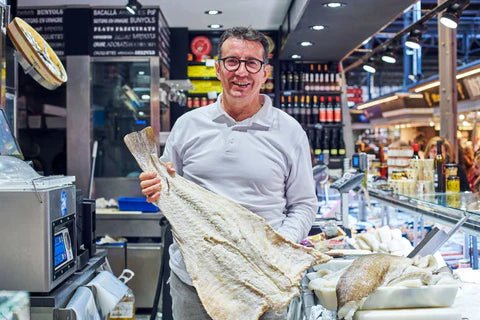
Premium Seafood Products — Bacalalo
Since 1990, selecting the best from the sea at Mercat del Ninot, Barcelona. Refrigerated delivery 24-48h.
View Caspian caviar →🛒 Related products from Bacalalo
⭐ 4.9/5 · Cold shipping 24-48h · Since 1990 at Mercat del Ninot
Frequently asked questions about caviar and pregnancy
Can I eat caviar in the first trimester of pregnancy?
The first trimester is the period when the risks of complications from foodborne infections are highest, and many obstetricians recommend greater caution with foods in the risk zone. The most conservative recommendation is to avoid fresh caviar completely in the first trimester and consult with your care doctor if you wish to consume pasteurized caviar.
Is pasteurized caviar completely safe during pregnancy?
The pasteurization process eliminates Listeria monocytogenes and other food safety bacterial pathogens. Properly preserved pasteurized caviar has a practically negligible risk of listeriosis. However, "practically negligible" is not the same as "absolutely zero," and the final decision should always be discussed with the attending obstetrician, who knows the specific circumstances of each case.
Does caviar have a lot of mercury?
Caviar from controlled aquaculture sturgeon has mercury levels well below the thresholds of concern for pregnancy, and much lower than those of bluefin tuna, swordfish, or shark — fish where mercury is a clear restriction during gestation. Mercury is not the main concern with caviar during pregnancy; Listeria is, for fresh unpasteurized caviar.
Can caviar help fetal development?
Caviar contains nutrients — DHA, vitamin D, B12 — that are important for fetal development. However, the same nutrients can be obtained from completely safe alternative sources (cooked salmon, sardines, pregnancy-formulated supplements) without any food safety controversy. There is no specific nutritional reason that makes caviar preferable to these alternatives during pregnancy.
What about after childbirth, during breastfeeding?
During breastfeeding, dietary restrictions related to Listeria are lower than during pregnancy — the immune system is no longer in the modulated state of gestation. Mercury restrictions partially remain because some metals pass into breast milk. Aquaculture caviar in tasting quantities is generally considered compatible with breastfeeding, although consultation with the pediatrician or postpartum care doctor is still the correct recommendation.
Discover our premium selection
Seafood selected with care since 1990 at Mercat del Ninot, Barcelona. Refrigerated shipping in 24-48h.