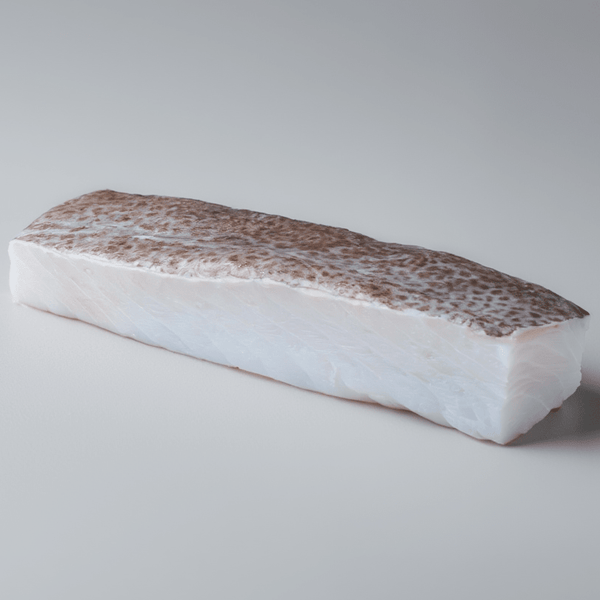
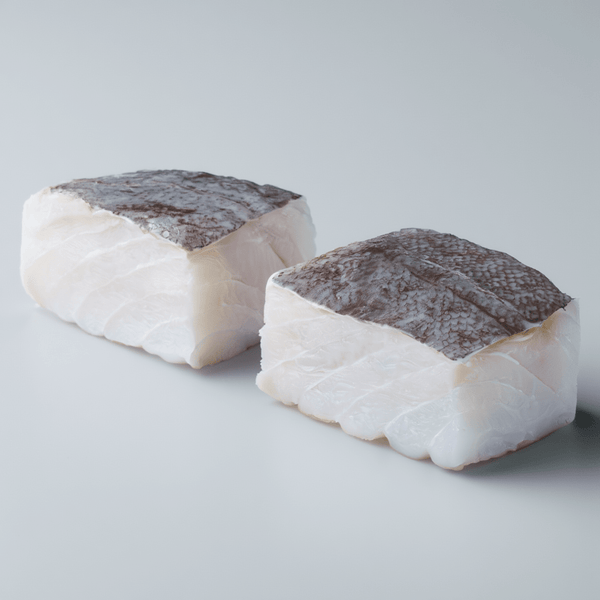
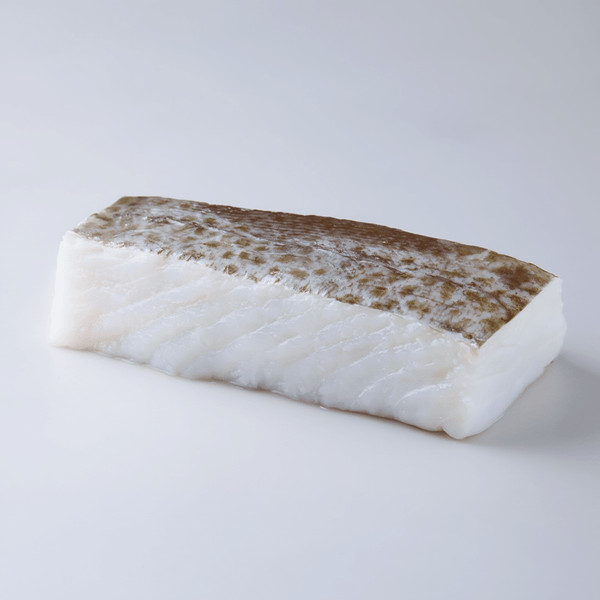
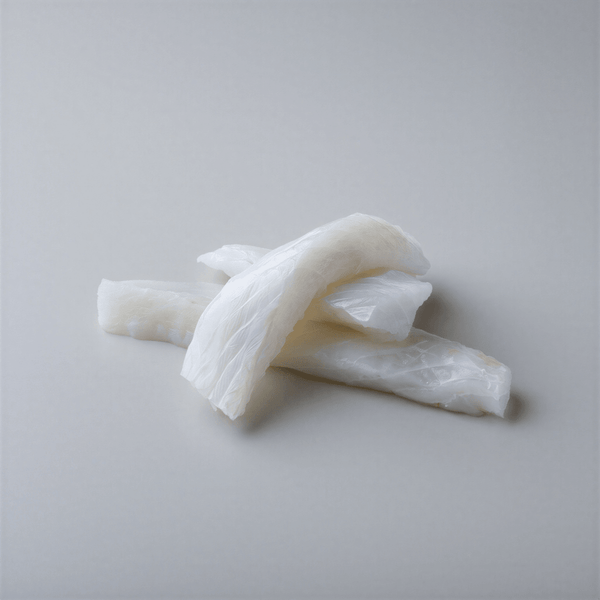
Portugal consumes more cod per capita than any other country in the world: over 20 kg per person per year, while the European average is less than 2 kg. In Portugal, they don't just say they have 365 cod recipes "one for each day of the year": they say it with pride, and they probably underestimate it. Cod (bacalhau) is not just another ingredient in Portuguese cuisine: it is part of the national identity, a source of pride and gastronomic obsession. Here is the history, the essential recipes, the festivals, and the facts that explain why Portugal is, indisputably, the land of cod.
Portugal and cod: a 500-year relationship
The history of cod in Portugal begins in the 15th century, when Portuguese navigators of the Age of Discovery reached the banks of Newfoundland, off the coast of present-day Canada. There they found what the Basques already knew: inexhaustible quantities of cod in waters so rich that, according to chroniclers, "fish could be caught with baskets."
The Portuguese established regular fishing routes to Newfoundland that lasted for five centuries. Every spring, entire fleets would depart from the ports of Aveiro, Ílhavo, and Viana do Castelo for the North Atlantic. Fishermen spent months in extreme conditions, line-fishing for cod from small boats (dóris) deployed from the mother ship. The cod was salted on board and dried on the ships or on the coasts of Newfoundland before returning to Portugal.
This fishery was so central to the Portuguese economy that dictator Salazar (1932-1968) made it state policy. The "Campanha do Bacalhau" was a national operation: the government subsidized the fleet, controlled prices, and promoted cod consumption as a patriotic food. New State propaganda linked cod with the values of austerity, Catholic faith, and national pride.
When the 1992 Newfoundland moratorium closed the historic fishing grounds, Portugal had to reinvent itself: today it imports almost all its cod from Norway and Iceland, but the culinary tradition remains intact. Every town, every family, every restaurant has its recipes, and the quality of cod sold in Portugal is among the highest in the world because Portuguese consumers are extraordinarily demanding.

"Fiel amigo": why Portugal calls cod that
In Portugal, cod is called "o fiel amigo" (the faithful friend). It's not a casual nickname: it reflects centuries of food dependence. Cod was literally what fed an entire country during times of famine, war, and poverty.
It was the food of Lent, but also of every Friday, every vigil, every day of scarcity. It could be stored without refrigeration for months, was easily transported, could be cooked in a thousand ways, and was economically accessible to all social classes. When there was nothing else to eat, there was always cod.
That faithfulness is returned today in the form of gastronomic cult. The average Portuguese cannot imagine a Christmas without cod (the main dish of Consoada, Christmas Eve dinner), nor an Easter, nor an important family meal. Cod in Portugal is not an ingredient: it is a cultural language.
Consumption data: the figures that explain everything
The numbers for cod consumption in Portugal are extraordinary:
- Per capita consumption: 20-25 kg of cod per person per year. It is, by far, the highest in the world. Spain consumes about 3 kg; the rest of Europe, less than 2 kg.
- Annual imports: Portugal imports between 60,000 and 70,000 tons of salted cod every year. With a population of 10 million, the proportion is astonishing.
- Main suppliers: Norway (60-65%), Iceland (20-25%), Russia and Faroe (the rest).
- Consumption peak: Christmas. In December, cod consumption multiplies by 3-4 compared to the average month. Supermarkets set up entire sections dedicated only to cod.
- Market value: the cod sector in Portugal moves over 500 million euros annually in retail.
- Companies: brands like Pascoal, Riberalves, Lugrade and Martins & Rebelo are giants in the sector, with factories that process thousands of tons.

The 10 essential Portuguese cod recipes
Of the supposed 365 recipes, these are the 10 that every cod lover should know:
- Bacalhau à Brás: shredded cod with straw potatoes, onion, and scrambled egg. The most popular dish in Portugal.
- Bacalhau com Natas: cod gratin with cream and potatoes. Absolute comfort food.
- Bacalhau à Gomes de Sá: cod with boiled potatoes, onion, hard-boiled egg, and olives. Recipe from Porto.
- Bacalhau à Lagareiro: whole loin roasted in the oven with plenty of olive oil and "patatas a murro" (smashed potatoes).
- Pastéis de Bacalhau: oval cod and potato croquettes, fried. National snack, eaten at all hours.
- Bacalhau com Todos: boiled cod with chickpeas, potatoes, carrots, cabbage, and egg. Christmas dish par excellence.
- Bacalhau à Zé do Pipo: oven-baked cod over mashed potatoes with gratin mayonnaise. Extravagant and delicious.
- Bacalhau Espiritual: cod with béchamel sauce, breadcrumbs, carrots, and spinach. Convent tradition.
- Pataniscas de Bacalhau: fried cod fritters (similar to Spanish ones). Bar snack par excellence.
- Açorda de Bacalhau: thick soup with bread, garlic, cilantro, poached egg, and shredded cod. Pure Alentejo.
Complete recipe: Bacalhau à Brás
Bacalhau à Brás is probably the most cooked cod recipe in the world. It's prepared in 20 minutes and the result is addictive: very finely shredded cod with crispy straw potatoes, all wrapped in creamy scrambled egg, with black olives and parsley.
Ingredients (4 servings)
- 400 g desalted cod, very finely shredded
- 400 g potatoes cut into thin straw (or store-bought straw potatoes)
- 2 large onions, thinly sliced
- 4 cloves garlic, thinly sliced
- 6 eggs
- Extra virgin olive oil
- Portuguese black olives (pitted)
- Fresh parsley, chopped
- Salt and pepper
Preparation
- If making homemade potatoes, cut them into very thin matchsticks and fry them in plenty of oil until golden and crispy. Drain on paper towels.
- In a large skillet, heat olive oil and sauté the onion over medium-low heat for 10 minutes until very tender. Add the garlic and sauté for 2 more minutes.
- Increase the heat to medium. Add the shredded cod and sauté for 3-4 minutes.
- Stir in the straw potatoes. Mix well.
- Lightly beat the eggs (do not overmix; we want to see the white and yolk separately in the dish). Pour them over the skillet.
- Stir gently with a wooden spatula for 1-2 minutes. The egg should be creamy, not set. Remove from heat just before you think it's done: residual heat will finish the cooking.
- Serve immediately, topped with black olives and chopped parsley.
The secret to perfect Brás: the egg. If the egg sets completely, you've failed. Bacalhau à Brás must be creamy, almost liquid, enveloping every fiber of cod and every potato. The Portuguese say that Brás "has to cry" on the plate.
Complete recipe: Bacalhau com Natas
If Brás is an everyday dish, Bacalhau com Natas is a Sunday and celebration dish. It's a creamy, rich gratin that comes out bubbling from the oven.
Ingredients (4 servings)
- 500 g desalted cod in flakes
- 500 g potatoes, thinly sliced
- 2 onions, julienned
- 3 cloves garlic
- 400 ml liquid cream
- 100 g grated cheese (emmental or a mix)
- Nutmeg
- Olive oil, salt, pepper
Preparation
- Fry the thinly sliced potatoes in plenty of oil until golden. Set aside.
- Sauté the onion with the garlic for 10 minutes. Add the shredded cod and sauté for 3 minutes.
- In an oven-safe dish, layer: potatoes, cod with onion, potatoes, cod. Finish with potatoes.
- Heat the cream with nutmeg, salt, and pepper. Pour it over the dish, covering everything.
- Sprinkle the grated cheese on top.
- Bake at 200 °C for 20-25 minutes until the surface is golden and bubbly.
- Let rest for 5 minutes before serving (it's volcanic hot straight from the oven).
Complete recipe: Bacalhau à Gomes de Sá
This dish was born in Porto, created by the merchant José Luís Gomes de Sá in the 19th century. It is more elegant and lighter than com Natas, and showcases cod in large flakes.
Ingredients (4 servings)
- 600 g desalted cod in thick loins
- 600 g potatoes
- 2 large onions, sliced
- 4 hard-boiled eggs
- Black olives
- Extra virgin olive oil (plenty)
- Fresh parsley
- 2 cloves garlic
- 1 bay leaf
Preparation
- Boil the potatoes whole with their skins on. Once cooked, peel and cut them into thick slices.
- Cook the cod in water (not boiling, at 80 °C) for 10 minutes with the bay leaf. Drain, remove skin and bones, and flake into large pieces.
- Sauté the onions with the garlic in plenty of olive oil until very tender (15 minutes).
- In an oven-safe dish, mix the potatoes, cod, and onions. Drizzle generously with olive oil.
- Bake at 180 °C for 15-20 minutes.
- Decorate with the hard-boiled eggs cut into quarters, black olives, and plenty of parsley.
- Serve with a final drizzle of quality raw olive oil.
Cod festivals and fairs in Portugal
Cod has its own festivals in Portugal, definitive proof of its cultural status:
- Ílhavo Cod Festival (Festival do Bacalhau de Ílhavo) (August): Ílhavo, near Aveiro, is the historical capital of cod in Portugal. Its cod museum (Museu Marítimo de Ílhavo) is a must-visit. The festival brings together dozens of restaurants competing for the best cod dish.
- Lisbon Cod Fair (Feira do Bacalhau de Lisboa): an annual event where major producers present their cod and chefs compete. It is held in different locations each year.
- Cod Fritter Competitions (Concursos de Pastéis de Bacalhau): in dozens of villages, competitions are organized for the best cod croquette. It is the Portuguese equivalent of Spanish paella competitions.
- Cod Route (Rota do Bacalhau): a gastronomic itinerary that covers restaurants specializing in cod along the Portuguese coast, from Viana do Castelo to the Algarve.
Cod in Portugal vs. Spain: two sister traditions
Spain and Portugal share a passion for cod but express it differently:
- Volume: Portugal consumes 7 times more cod per capita than Spain.
- Use of egg: in Portugal, egg (scrambled, hard-boiled, poached) accompanies cod in dozens of recipes. In Spain, almost never.
- Potato: in Portugal, the potato is an inseparable companion to cod (fried, boiled, mashed). In Spain, potatoes appear less often (except in ajoarriero).
- Cream and cheese: Portugal regularly uses cream and gratin cheese with cod. In Spain, cream with cod is rare.
- Olive oil: in both countries it is fundamental, but in Portugal it is used in even more generous quantities (Bacalhau à Lagareiro is basically cod bathed in oil).
- Sauces: Spain has vizcaína, pil pil, salsa verde. Portugal has fewer elaborate sauces and more simple preparations where cod takes center stage.
- Lent vs. Year-round: in Spain, cod is associated with Lent and Holy Week. In Portugal, it is eaten literally every day of the year.
Buying cod in Portugal: practical guide
If you travel to Portugal, buying cod is almost an obligation. Here's what you need to know:
- Supermarkets: Continente and Pingo Doce have huge cod sections. You'll find whole pieces, loins, flakes, postas (steaks), and dried cod. Prices are good and quality is consistent.
- Markets: Mercado da Ribeira (Lisbon), Mercado do Bolhão (Porto), and local markets have specialized stalls where you can choose the exact piece.
- Portuguese classification: cod is classified by size: Crescido (the smallest), Corrente, Graúdo, Especial, and Imperial (the largest, pieces over 4 kg). For recipes where the loin matters (Lagareiro, confitado), look for Especial or Imperial.
- Price: in Portugal, premium first-round cod costs around 15-20 €/kg (similar to or slightly lower than in Spain). Flaked or lower-grade cod is cheaper.
- To bring to Spain: salted cod does not need refrigeration for transport. You can bring it in your suitcase without a problem. Desalted cod does need refrigeration.
Frequently asked questions
Is it true that there are 365 cod recipes in Portugal?
It's a popular saying, not an exact number. But the reality probably exceeds 365. A culinary study identified more than 1,000 regional variations of cod recipes in Portugal. If you count family variations, the number is incalculable. The saying serves to convey an idea: that in Portugal you can eat cod every day of the year without repeating a dish.
Why does Portugal consume so much cod if it doesn't fish for it?
Portugal significantly stopped cod fishing when the Newfoundland fishing grounds collapsed in 1992 and fishing was banned. But the consumption habit was so deeply rooted (500 years of tradition) that Portugal simply switched to importing it. Today, it imports more than 60,000 tons annually, mainly from Norway and Iceland. Cultural tradition is stronger than economic logic.
What is the most popular cod recipe in Portugal?
It depends on who you ask, but surveys usually name Bacalhau à Brás as the winner for everyday meals and Bacalhau com Todos (boiled with chickpeas, potato, egg) for Christmas. Pastéis de Bacalhau are the most consumed snack and probably the most produced recipe in absolute volume.
What kind of cod do Portuguese people use: salted, dried, or desalted?
Traditionally, dried salted cod (salgado seco): cured in salt and then dried, which is the hardest and most concentrated version. Today, for convenience, desalted cod (demolhado) has gained a lot of ground: it comes ready to cook without the 48 hours of desalting. Portuguese supermarkets sell both versions, and many families prefer to desalt at home because they believe the result is better.
Can Bacalhau à Brás be made with fresh cod?
Technically yes, but Portuguese people will tell you it's not the same (and they're right). Salted and desalted cod has a fibrous texture that flakes into perfect fine strands for Brás. Fresh cod is softer and wetter, doesn't flake the same way, and adds more water to the dish (the egg will be more liquid). If you make it with fresh cod, dry it very well beforehand and expect a different but equally delicious result.
Is the Ílhavo Cod Museum worth visiting?
Absolutely. The Ílhavo Maritime Museum is one of the most interesting museums in Portugal. It has a section dedicated to cod fishing in Newfoundland with ship models, original equipment, historical photographs, and testimonies from fishermen. It also has an aquarium with live cod. If you are interested in the history of cod, it is a must-visit. It's 10 minutes from Aveiro.

Premium Seafood Products — Bacalalo
Since 1990, selecting the best from the sea at Mercat del Ninot, Barcelona. Refrigerated shipping 24-48h.
View desalted cod →🛒 Products used in this recipe
"Discover Bacalalo" Assortment
Our best-selling pack — ideal for first-time buyers
€19.90
View product →⭐ 4.9/5 · Cold shipping 24-48h · Since 1990 at Mercat del Ninot
Conclusions
Portugal and cod are inseparable. There is no other country in the world where a single ingredient has so profoundly marked the culture, economy, politics, and gastronomic identity of a nation. From the 15th-century navigators who discovered the Newfoundland banks to the grandfather who today flakes cod for Sunday's Brás, the relationship is the same: respect for a product that has fed generations and devotion to transforming it into something extraordinary.
If you are ever asked why cod is so special, the answer is in Portugal. A country that has dedicated more attention, more creativity, and more love to it than anyone else for 500 years. And if you have never tried a Bacalhau à Brás made with quality cod, you are missing out on one of the most addictive culinary experiences there is.